


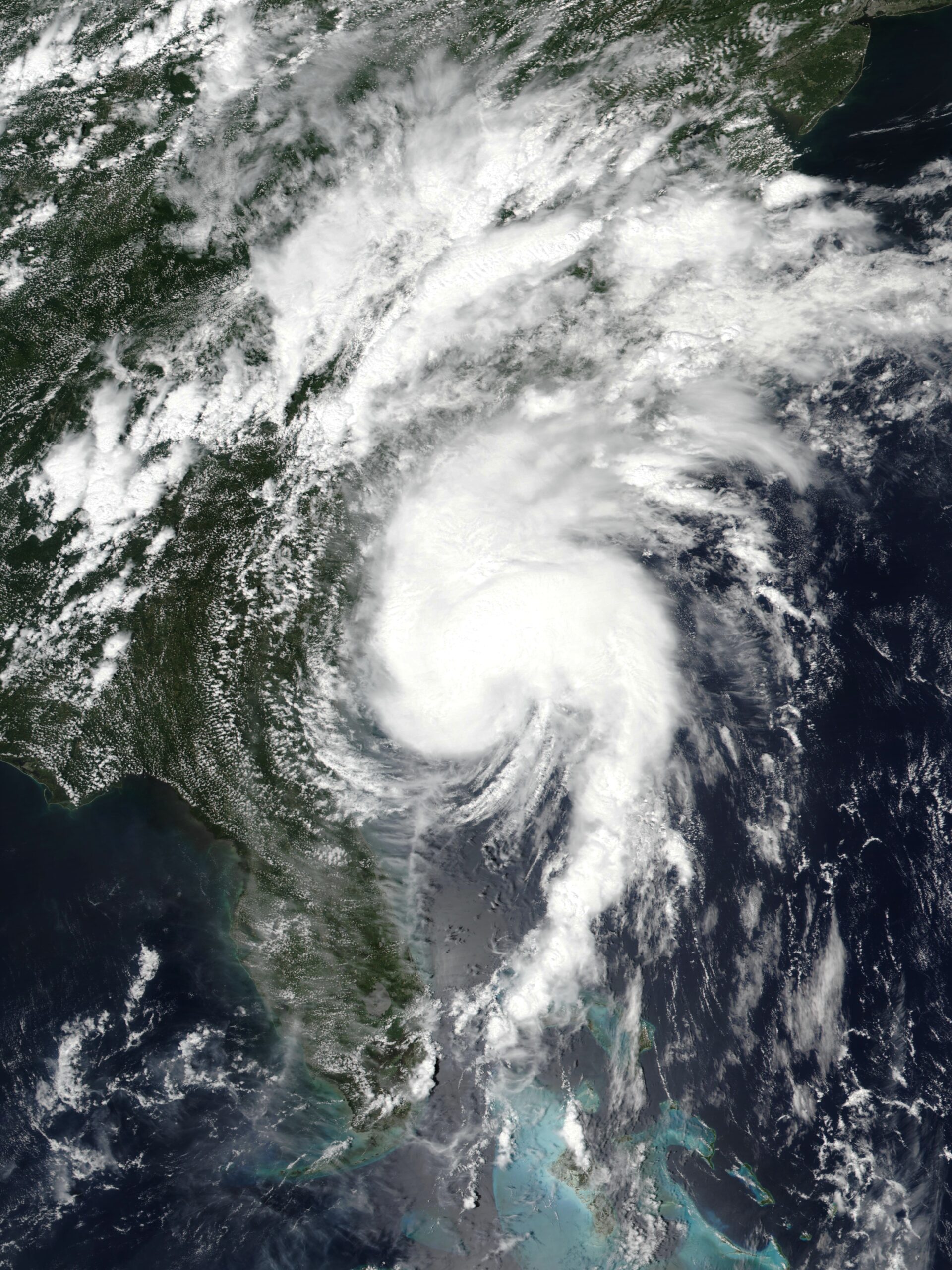
Hurricane Isaias moved toward Florida’s Panhandle on Friday night, raising fears of strong winds, heavy rain, and coastal flooding. The storm was expected to make landfall east of Pensacola as local communities watched its path.
At 8 p.m. Friday, Isaias had weakened to a Category 2 hurricane. Despite this change, the storm still posed a threat to homes, roads, and coastal areas. Weather teams continued to follow its movement as it neared the shore.
The expected landfall area put communities along the northern Gulf Coast on alert. Residents were urged to check local warnings and prepare for dangerous weather. The storm’s strength and path could affect the level of damage across the region.
Isaias was forecast to reach land east of Pensacola. The storm could bring strong gusts and periods of heavy rain to parts of the Florida Panhandle. Coastal areas also faced the risk of rough seas and rising water.
Hurricanes can cause damage even after they lose strength. Strong winds may bring down trees and power lines. They can also damage roofs and outdoor structures. Heavy rainfall can flood streets, homes, and low areas, making travel risky.
The effects may differ across nearby towns. Some areas may face stronger winds, while others may receive more rain. Changes in the storm’s direction or speed could also affect the timing of its arrival.
People living near the coast were advised to take official alerts seriously. They should avoid beaches and areas where waves are high. Flooded roads should also be avoided, as moving water can hide deep holes or damage beneath the surface.
The downgrade to Category 2 meant Isaias had weakened from a higher hurricane level. However, the category alone does not show every danger a storm can bring. Heavy rain, coastal flooding, and strong gusts can still cause major problems.
Storm surge is one of the main concerns when a hurricane approaches the coast. Strong winds can push seawater toward land, causing water levels to rise. Low-lying areas may flood quickly, especially where roads and homes sit close to the shore.
Rain can also cause trouble far from the point where the storm reaches land. Water may collect on roads and in drainage systems. This can disrupt travel and make it harder for emergency teams to reach people who need help.
Power cuts are another possible result of severe weather. Fallen branches and damaged lines can leave homes without electricity. Residents were encouraged to charge phones and prepare basic supplies before conditions worsened.
Families in areas at risk were advised to prepare for possible disruptions. Emergency supplies should include drinking water, food, flashlights, spare batteries, medicines, and phone chargers. Keeping these items ready can help people manage if they must remain indoors.
Residents should bring loose outdoor items inside or secure them. Strong winds can turn light objects into hazards. People should also plan where to go if officials tell them to leave their homes.
Anyone in a flood-prone area should know how to reach higher ground. Drivers should avoid trips during heavy rain and never attempt to cross a flooded road. Even shallow water can move a vehicle or hide serious road damage.
Local warnings may change as the hurricane gets closer. Residents should keep checking official weather reports and emergency messages. They should not depend on older forecasts when new information becomes available.
The Florida Panhandle remained under close watch as Isaias approached the coast. Its expected landfall east of Pensacola made the storm a concern for nearby communities and other areas along the Gulf Coast.
The storm’s weakening offered some change in its outlook, but it did not remove the risk. Strong winds, heavy rainfall, and high coastal water could still affect homes and public services.
The next hours were important as weather teams tracked the hurricane’s movement. Residents were urged to stay alert, follow local safety advice, and act early if conditions became dangerous.
Preparation can reduce the risk of injury and help families respond to sudden changes. As Isaias neared land, officials continued to stress the need for caution across the Florida Panhandle.
