


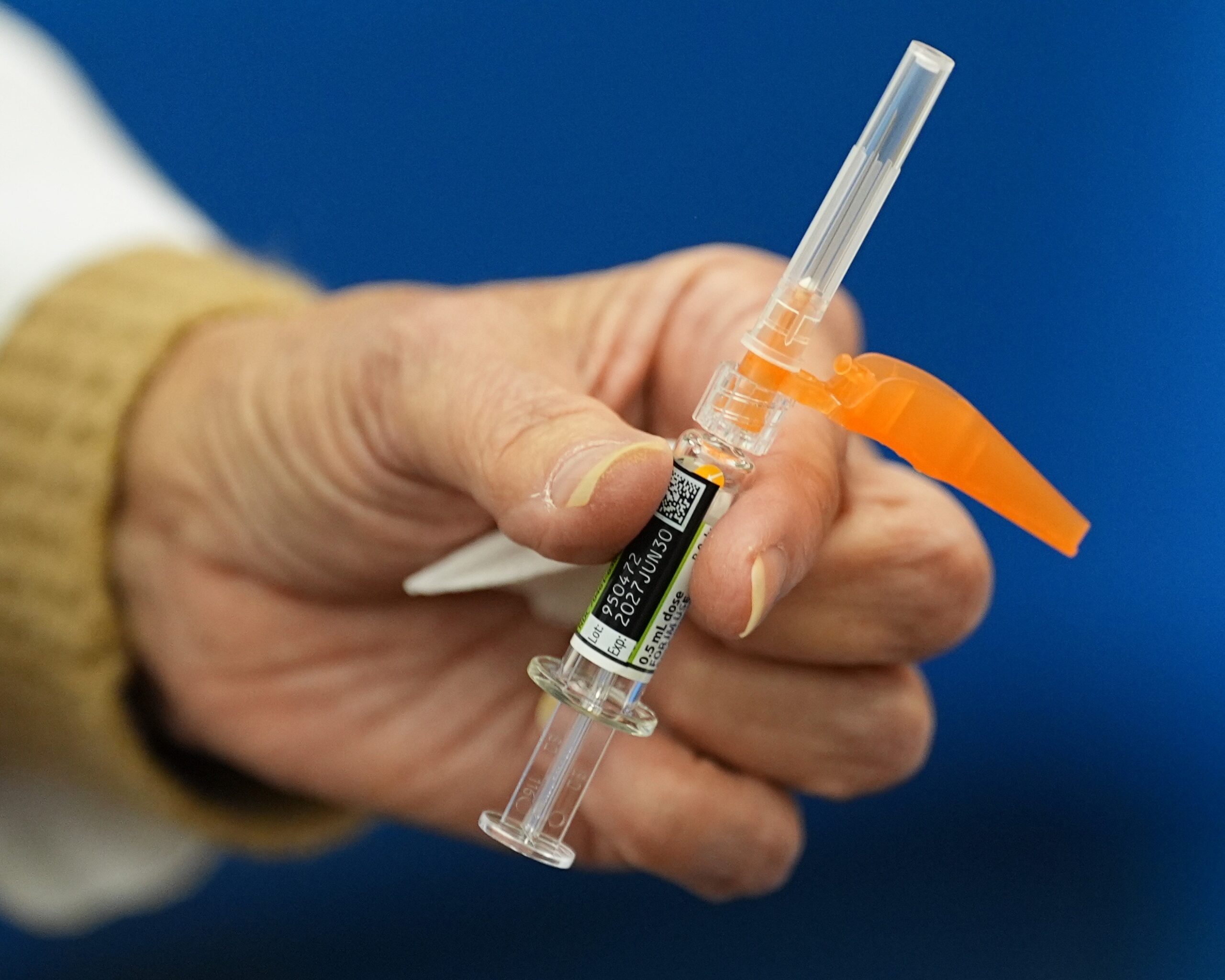
West Coast flu cases are rising earlier than usual this year, prompting US health experts to encourage people to get their annual flu vaccine. Influenza activity often increases in December and reaches its peak in February. This season, however, infections have started climbing months ahead of the usual pattern.
Health experts say a new mutation of the influenza A H1N1 strain may be linked to the early rise. H1N1 was responsible for the 2009 swine flu pandemic. The virus remains part of seasonal flu activity, and scientists are monitoring changes that may affect how well people’s immune systems respond.
Public health laboratories have reported 300 influenza viruses to the US Centers for Disease Control and Prevention so far. Of these, 242 were identified as influenza A H1N1, according to the figures provided. The high share of H1N1 detections has drawn attention as flu cases increase across parts of the western United States.
California has recorded a notable change in flu test results. During the previous two flu seasons, the share of tests returning positive results remained slightly above 1% in early October. By October 10 this year, the rate had reached 9.65%, according to data from the state’s health department.
Utah has also reported a sharp rise in influenza A cases. As of October 11, the state had recorded 242 cases, compared with just 10 at the same point last year. The figures came from Germ Watch, an Intermountain Health database that tracks flu activity.
Parts of central Oregon have also seen an increase in influenza A. The reports suggest that flu activity is building in several western areas earlier than expected. Health officials are encouraging people to take precautions before infections spread further during the colder months.
The American Medical Association says flu vaccines can lower the risk of severe illness and hospitalisation. It recommends annual flu vaccination for everyone aged six months and older, unless a medical reason prevents them from receiving it. Vaccination remains an important tool for reducing the effects of seasonal influenza, particularly among people at higher risk of complications.
The US Food and Drug Administration approved the 2026–27 flu vaccines in August. The vaccines are designed to target three groups of viruses: H1N1, H3N2 and one influenza B virus. H3N2 was the dominant strain during the previous flu season, according to the information provided.
Scott Hensley, a microbiologist at the University of Pennsylvania, said two of the three vaccine components appear to match the flu strains currently circulating very well. That could help the vaccines provide protection against much of the seasonal activity being detected.
However, the new H1N1 mutation may affect how antibodies respond in younger people, Hensley said. Changes in a virus can influence how well the immune system recognises it, although the effect can vary between people. He advised that getting vaccinated early may be a sensible step as flu activity continues to increase.
The timing of vaccination can matter because the body needs time to develop an immune response after a shot. People who have not yet received this season’s vaccine may wish to speak with a healthcare professional about the best time to get it, especially if they have health conditions that increase their risk of complications.
The increase in cases comes amid changes to how the US government promotes vaccination. Health Secretary Robert F. Kennedy Jr., a longtime critic of vaccines, has reduced some flu-shot promotion efforts and led a wider review of established childhood vaccination schedules. These changes have drawn attention as health experts call for vaccination during an early start to flu season.
The latest figures do not establish how severe the full flu season will become. Case numbers and circulating strains can change in the coming weeks. Still, the early rise in West Coast flu cases has led experts to stress the value of vaccination and continued monitoring. People can check current guidance from public health officials and consult healthcare professionals about their individual needs as flu activity develops.
