


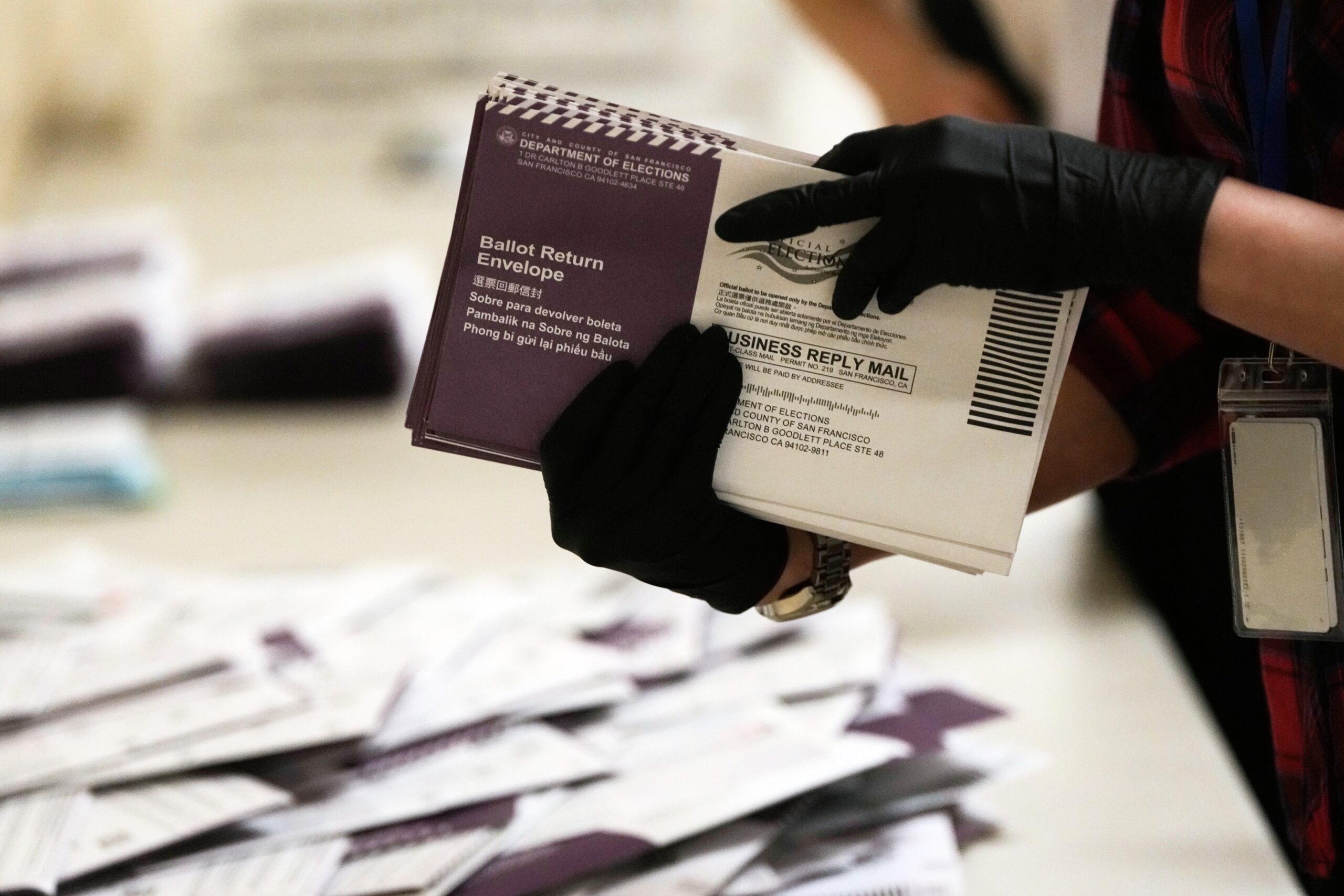
The US Supreme Court has rejected a request from President Donald Trump’s administration to set aside about 20,000 ballots in California. The decision is another legal blow to the president’s efforts to change election rules ahead of the midterm vote count.
The ruling came on Monday, just hours before the final day of voting in the key midterm elections. The case focused on voters whom the federal government had marked as likely noncitizens.
The Trump administration wanted California to keep their ballots separate until officials could confirm their citizenship. However, the Supreme Court refused to step in and grant the request.
The justices did not give a reason for their decision. No justice publicly opposed the ruling. The court also rejected the request without asking California officials to file a response.
The case marks another defeat for the administration in its effort to challenge election procedures. The midterm vote will decide which party controls Congress during the last two years of Trump’s second term.
California Governor Gavin Newsom welcomed the Supreme Court’s decision. He said the ruling showed that the court would not support the administration’s attempt to interfere with the state’s election process.
In a post on X, Newsom said the court had rejected Trump’s emergency request without seeking a reply from the other side. He called the outcome a victory for democracy.
The federal government had already faced several legal defeats over the same issue. Lower courts refused to order California to separate the disputed ballots while officials checked the voters’ citizenship status.
The Justice Department had taken the case through the federal court system. Both a district court and the Ninth Circuit Court of Appeals rejected its request before the matter reached the Supreme Court.
California Attorney General Rob Bonta said the latest decision marked the fourth legal defeat for the Trump administration in this dispute.
He pointed to the rulings from the lower courts and the Supreme Court. Bonta said the administration had failed at every stage of its effort to challenge the state’s handling of the ballots.
He also said the latest ruling should end attempts to disrupt California’s elections through emergency court orders.
The Supreme Court did not publish a detailed explanation of its decision. The justices often issue short rulings when dealing with emergency requests. These decisions do not always include a full account of the legal arguments.
The latest case follows another setback for Trump over voting rules. In September, the Supreme Court rejected his administration’s attempt to place new limits on mail voting across the United States.
Although the court has supported the administration in several other emergency cases, it has refused to grant these two major requests involving election rules.
The California dispute has raised questions about the power of the federal government to influence how states manage their elections.
The Trump administration argued that the citizenship status of thousands of registered voters needed to be checked. Federal law does not allow noncitizens to vote in national elections.
However, the request sought to separate ballots before the checks were complete. California officials opposed the move and challenged the legal basis for such an order.
State leaders said the action could affect people who have the legal right to vote. They also argued that election procedures should not be changed through emergency court action without proper legal grounds.
The legal fight in California was part of a wider series of disputes involving Trump’s efforts to challenge election procedures.
Another case took place in Alaska, where a lawsuit backed by Trump sought to prevent the possible certification of a Democratic Senate victory. The case focused on the state’s election results and the process for confirming them.
A judge dismissed the Alaska lawsuit without holding a hearing. That decision added to the administration’s recent legal losses over election matters.
The California ruling leaves the lower court decisions in place. It also means the administration has failed to secure the emergency action it wanted before the end of voting.
The midterm elections are a major test for both political parties. Their results will determine control of Congress and shape the direction of US politics for the rest of Trump’s current term.
The Supreme Court’s decision has added another important development to the election debate. It also shows that efforts to change state voting procedures can face strong legal challenges when they reach the courts.
