


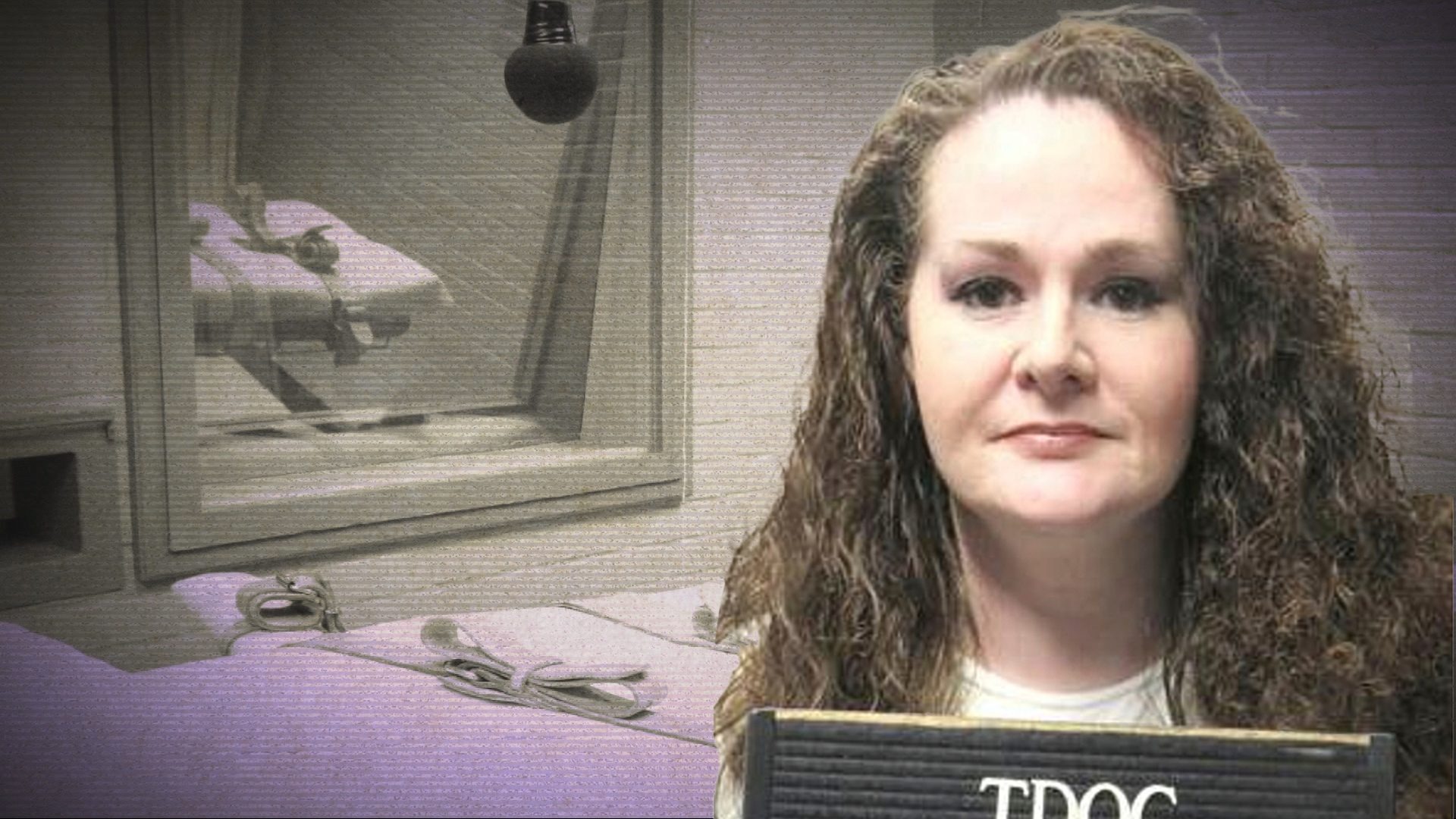
Christa Pike, a Tennessee death row inmate who survived a failed lethal injection, says she continues to suffer from pain and emotional distress. In her first public statement since the September 30 incident, Pike said she is recovering but remains far from well.
“There hasn’t been a moment since that night when I haven’t been in pain,” Pike said in a statement dictated to her lawyers. She described pain in her body, arms, hands and throat. She also said she still has trouble speaking.
Pike, 50, was scheduled to die for the 1995 murder of her classmate, Colleen Slemmer. The execution attempt failed after officials gave her two doses of pentobarbital, a drug used in lethal injections.
Her condition became critical after the procedure. She was taken to hospital and placed on a ventilator. Her lawyers feared she would not survive. However, Pike later woke up and began to recover. She eventually regained the ability to speak and walk with help.
Pike said she had prepared herself for death. Instead, she woke up alone in a hospital room, confused and in pain. Her statement describes the physical and emotional effects she says have continued since that night.
The Death Penalty Information Center has described Pike as the only known person to survive an execution after being injected with lethal chemicals. Her case has drawn attention to the failed procedure and the legal questions surrounding any future attempt.
Pike spent 10 days in hospital before being returned to prison earlier in October. Her lawyers say she continues to receive medical care. However, they claim that prison officials have kept her apart from other inmates since her return.
In her statement, Pike said she has spent much of this time alone in the prison medical unit. She described the isolation as another source of pain and compared it with her earlier years in solitary confinement.
Pike said she spent 28 years in solitary confinement and believes her current situation has brought back many of those experiences. She also said being separated from other people has made her recovery harder.
Her lawyers have now asked a federal court to end what they call indefinite isolation. They filed an emergency motion on Friday, arguing that Tennessee officials are violating a settlement agreement reached in 2024.
Under the agreement, Pike was allowed to work, eat, exercise and spend time with other women in the general prison population at the Debra K. Johnson Rehabilitation Center.
Her lawyers say the state has failed to follow those terms. They argue that Pike has been cut off from other inmates without a clear date for when the isolation will end.
The emergency motion asks the court to enforce the agreement and allow Pike to take part in group meals, recreation, work and other social activities. Her legal team says the request cannot wait because each additional day in isolation may cause further harm.
Attorneys Angie Bergman, Brian Roark and Hannah Webber said prison officials had received warnings about the issue but had not taken meaningful steps to resolve it. They argue that the current conditions breach the agreement and harm Pike’s well-being.
The Tennessee Department of Correction said it does not comment on pending litigation. The state attorney general’s office did not immediately respond to a request for comment.
Pike is also preparing for a legal fight over whether Tennessee can attempt to execute her again. Her lawyers filed a complaint in January seeking to delay the execution because of a new lethal injection procedure.
They argued that the protocol had not been tested and could cause unnecessary pain, fear and suffering. They also said it did not include life-saving measures in the event an execution failed.
The September 30 incident has added a new issue to that legal challenge. Pike’s lawyers have asked the court to amend their complaint to include the failed execution and its effects on her health.
On Thursday, a judge gave Pike until late January to submit the updated filing. The court allowed extra time because of her current medical condition.
The case now involves two urgent issues: Pike’s treatment in prison and the possibility of another execution attempt. Her lawyers are seeking to restore her access to other inmates while challenging the state’s execution process.
No final decision has been announced on either request. Pike’s recovery and the court proceedings are likely to shape the next stage of a case that has drawn renewed attention to execution methods and prison conditions.
