


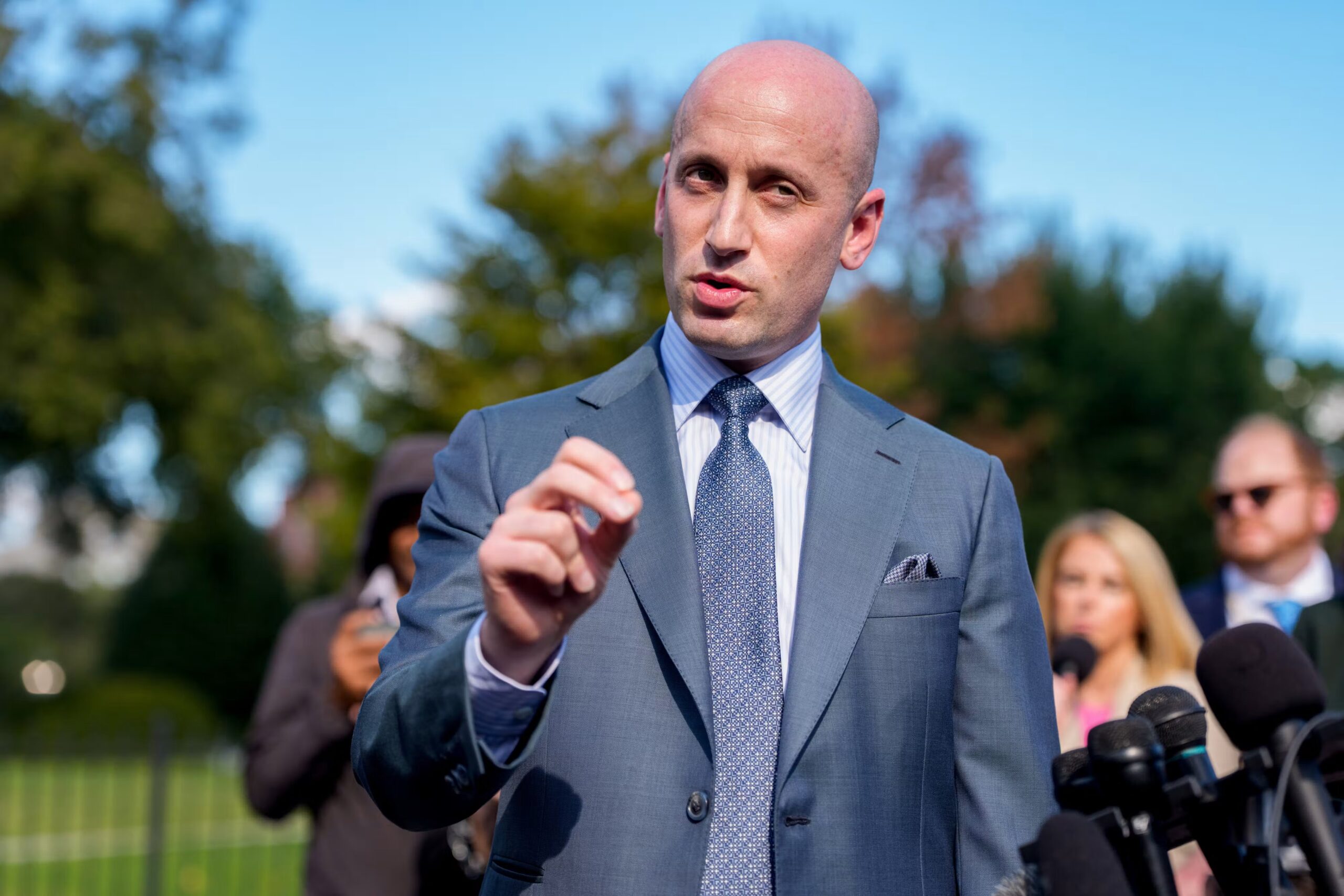
Donald Trump has appointed Stephen Miller as White House chief of staff, placing one of his most loyal advisers in a powerful position after Republicans suffered a major defeat in the midterm elections. The decision could signal a more forceful political approach as Democrats gain greater influence in Congress.
Trump announced the move on Friday, naming Miller as the successor to Susie Wiles. The change came only days after the Republican Party lost ground in Tuesday’s elections. Trump had previously said he was willing to work with the newly strengthened Democrats. However, Miller’s promotion has raised questions about whether the president will seek cooperation or prepare for a political battle.
Miller has been close to Trump since his first presidential campaign in 2016. He joined the campaign as a political adviser and became known for delivering fiery speeches at rallies. His strong language and firm support for Trump’s policies helped make him one of the most visible figures in the president’s political circle.
In a post on X, Miller said he was honoured to be selected for the position. He described the task ahead as clear and called for a strong effort to support Trump and defend the country.
Trump also praised Miller when speaking to reporters after announcing the appointment on Truth Social. He said Miller had been with him from the beginning and understood his priorities. The comments showed the president’s confidence in an adviser who has remained loyal through years of political pressure.
The chief of staff is among the most influential positions in the White House. The person in the role manages access to the president, oversees daily operations and helps set the administration’s priorities. The job also requires close contact with lawmakers and other political leaders to build support for government plans.
Miller is best known for his influence over Trump’s strict immigration agenda. He has helped drive policies aimed at expanding deportations and increasing funding for federal immigration enforcement. These measures have made him a central figure in the administration’s efforts to tighten immigration rules.
His comments have also drawn criticism. During a large deportation operation in Minneapolis, federal immigration officials shot and killed Alex Pretti. Miller initially described Pretti as a domestic terrorist and an assassin. He later stepped back from those remarks, saying federal agents may not have followed the proper procedures.
Miller has also reportedly been involved in shaping US military operations in Venezuela and actions against suspected drug trafficking groups in the Caribbean and eastern Pacific. Critics have condemned some of these operations, questioning their legal basis and describing the deaths linked to them as unlawful killings.
Despite controversy surrounding his policies, Miller remained close to Trump throughout his first term. He was among the few senior officials who stayed in the administration from beginning to end. He also continued supporting Trump after the 2020 election, when the president’s efforts to challenge his defeat failed.
When Trump returned to office for a second term, Miller became deputy chief of staff for policy. His appointment as chief of staff now gives him wider authority over the White House and a stronger role in carrying out the president’s agenda.
Wiles had a different management style. She helped lead Trump’s successful 2024 campaign and developed a reputation as a calm and professional organiser. Her approach helped limit the staff disputes, sudden policy changes and internal conflicts that marked Trump’s first presidency.
However, Trump’s relationship with Wiles reportedly became strained in recent months. His political standing had weakened, and the Republican losses in the midterm elections added to the pressure. Reports also said Trump was unhappy with claims that people close to Wiles had gained lucrative consulting jobs through their connections to the president.
The leadership change comes at a difficult time for the administration. Democrats now have greater power to challenge Trump’s policies and influence the direction of Congress. Miller’s close relationship with the president may help him push the administration’s plans, but his hard-line political style could make cooperation with the opposition more difficult.
His appointment therefore offers an early sign of how Trump may respond to the election results. Rather than choosing a figure known for building bridges, the president has selected an adviser strongly associated with his most forceful policies.
