


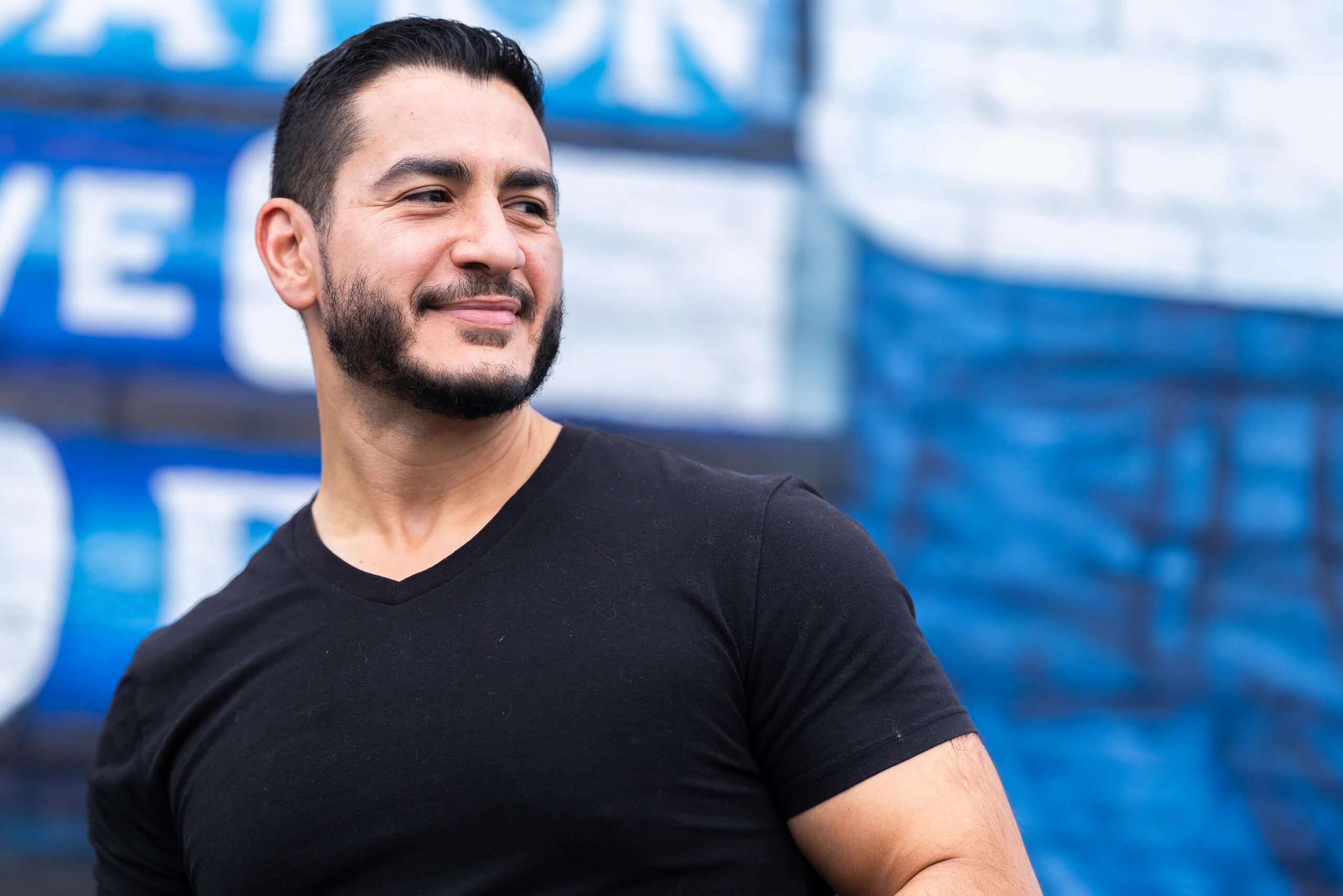
Abdul El-Sayed has made history by winning Michigan’s US Senate race, becoming the first Muslim senator in American history. His victory over Republican Mike Rogers marks a major political shift in a state that remains one of the country’s most important election battlegrounds.
The Democratic winner said he was running on adrenaline and caffeine after the race was called early Wednesday. The result came as Democrats secured a strong Senate majority in the 2026 midterm elections.
El-Sayed said the outcome showed that Michigan voters had rejected a campaign built around personal attacks. During the race, Republicans repeatedly focused on his background and identity. President Donald Trump also used harsh language against him.
Trump called El-Sayed a “jihadist” and claimed he was “on the side of the terrorists.” El-Sayed was born in the United States to parents who immigrated from Egypt. He said the attacks failed to persuade voters and instead helped highlight the issues that mattered to the state.
In comments after his victory, El-Sayed said Michigan had rejected a “hateful, spiteful campaign.” He argued that his opponent’s campaign focused too much on his name and face instead of the concerns of ordinary people.
He also pointed to voting trends across the state. According to El-Sayed, every county moved toward the Democratic Party compared with the 2024 election. Associated Press voting data showed the same broad pattern.
With about 97 percent of the votes counted, El-Sayed held a lead of seven percentage points over Rogers. The margin gave Democrats a clear win in a state that has often played a central role in national elections.
The victory carries historic meaning beyond the party balance in the Senate. El-Sayed will become the first Muslim to serve in the chamber. His election marks a major moment for Muslim Americans and other communities that have long sought greater representation in national politics.
In a phone interview on Wednesday, El-Sayed said he had spent part of the morning thinking about what the result would mean for his two young daughters.
His three-year-old daughter does not yet understand the importance of the election. His eight-year-old daughter has a better sense of what happened, but she still views the moment as something normal.
El-Sayed said he wanted his children to understand the wider meaning of the victory as they grow older. “Now, this is something they read about in the history books,” he said.
The comments showed the personal side of a campaign that had become a national political contest. El-Sayed’s win was not only a victory for Democrats in Michigan. It also placed a new figure in the Senate whose election is likely to be remembered for its historic significance.
The relationship between the two candidates remained uncertain after the result. Rogers issued a statement conceding the race, but he and El-Sayed had not spoken by Wednesday afternoon.
That was different from the events following Michigan’s 2024 Senate race. In that election, Rogers called Democrat Elissa Slotkin on Wednesday morning to concede, before the Associated Press had officially called the contest.
The lack of a direct conversation did not change the outcome. With the vote count showing a clear advantage for El-Sayed, the Democratic candidate was preparing to take his place in the Senate.
His victory also raises questions about the political impact of campaigns that focus on identity and personal attacks. Republicans had tried to make El-Sayed’s background a central issue. However, the statewide movement toward Democrats suggests that voters were also responding to wider concerns.
For Democrats, the result adds another important win to a strong midterm performance. For El-Sayed, it brings a new responsibility and a place in American political history.
He now faces the challenge of representing Michigan in a closely watched national chamber. His campaign message focused on the needs of voters across the state, including those who did not support him.
The election has already given his family a historic story to remember. It has also created a new chapter in the representation of Muslim Americans in the United States Senate.
