


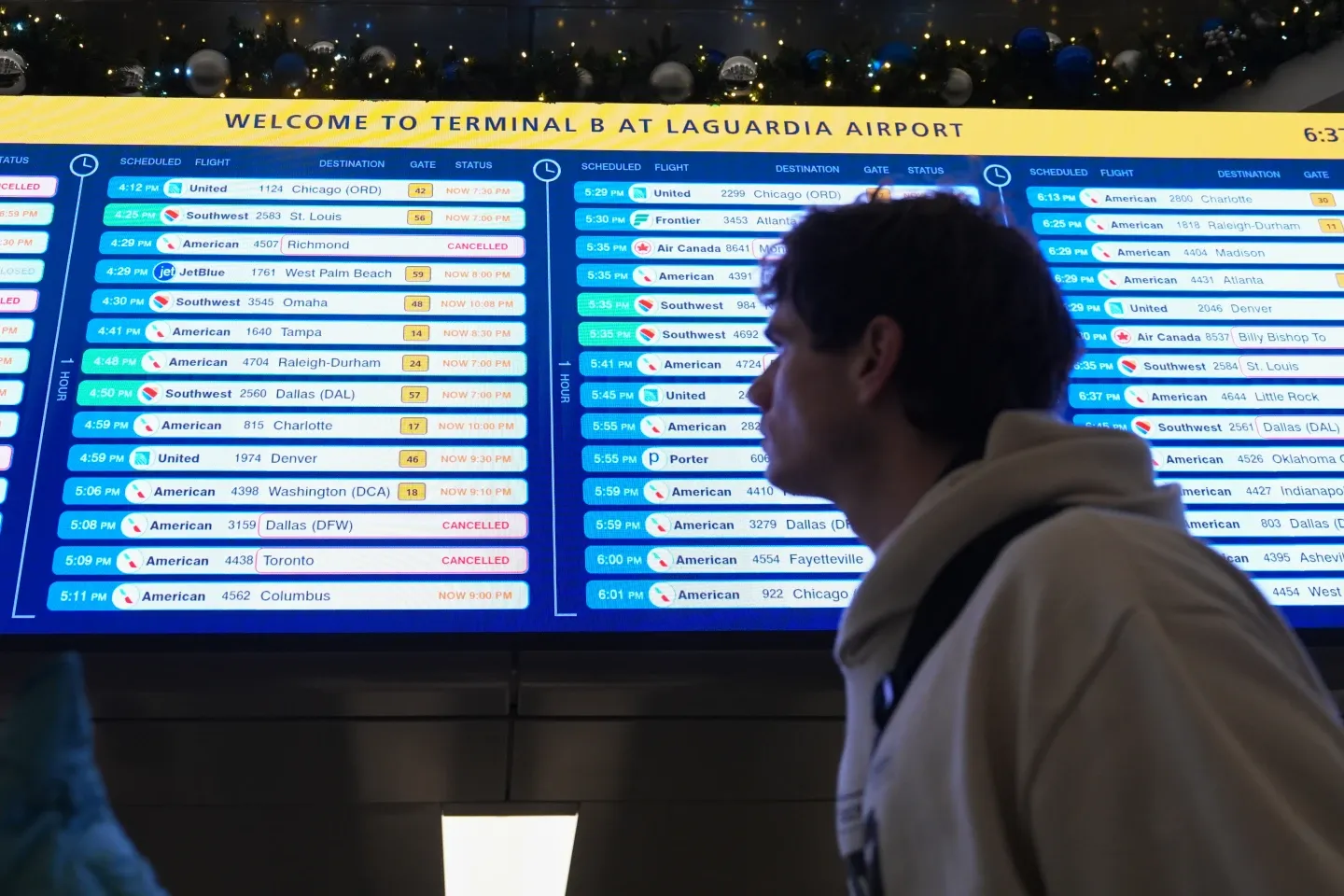
The Federal Aviation Administration is facing growing questions about its new artificial intelligence system after a nationwide flight disruption raised concerns about the safety and reliability of aviation technology. Government officials and the company behind the system have denied that it caused the recent ground stop. However, the timing of its national rollout has attracted attention from lawmakers and aviation experts. The system, known as SMART, is designed to help air traffic specialists manage busy skies and identify possible problems before they become serious.
SMART was expanded across the country on November 10. It combines around 200 sources of information, including weather conditions, flight routes, traffic levels and staff availability. The aim is to give aviation specialists a clearer view of air traffic and help them make better decisions. The system can suggest alternative routes when an area becomes crowded or when weather creates problems. It can also help officials manage airport arrivals and reopen restricted airspace more quickly.
The FAA says early tests in the Washington area produced useful results. During the testing period, the system helped reroute 180 flights. Officials said those changes saved an average of 10 minutes and 80 gallons of fuel per flight. One flight from Tampa to Dallas reportedly saved 42 minutes after following a suggested route. The agency believes the technology could improve efficiency and help reduce delays across the national aviation network.
Despite those reported benefits, lawmakers have raised questions about the system’s safety measures. House Democrats previously asked the Government Accountability Office to review the technology. They raised concerns about training, the role of aviation workers and the safeguards used to check its recommendations. Experts have also warned that artificial intelligence can produce incorrect information. For that reason, human specialists must continue to examine suggestions before making decisions that could affect aircraft and passengers.
