


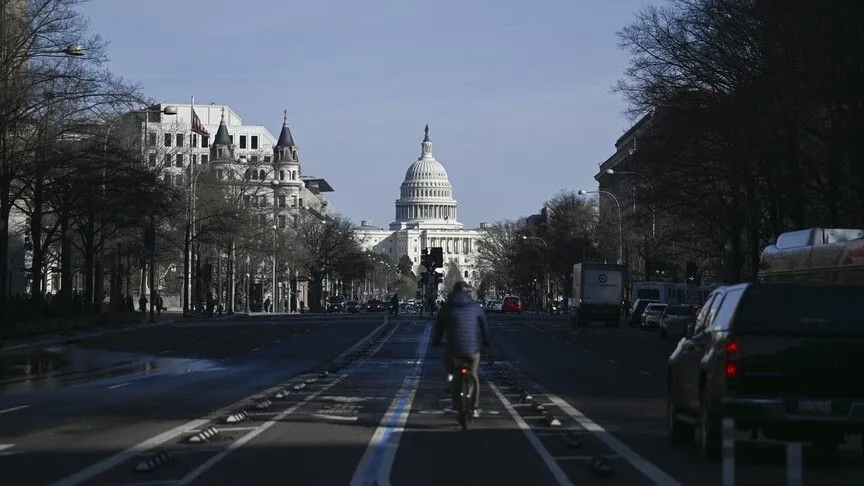
Israel’s intelligence chief has visited Washington for talks with senior officials in the Trump administration about the war with Iran, according to a report by Axios. The visit comes as Israeli Prime Minister Benjamin Netanyahu is urging US President Donald Trump to consider restarting military action against Tehran.
Roman Gofman, director of Israel’s Mossad intelligence agency, was in the US capital on Friday, Axios reported. The news outlet cited three sources familiar with the matter. His visit included a meeting with CIA Director John Ratcliffe, according to the report.
Gofman is also expected to travel to Miami for talks with Steve Witkoff, a White House envoy. The reported meetings come at a time when the future of the conflict remains uncertain. Israel and the United States have been involved in military action against Iran, while efforts to reach a lasting agreement have faced major difficulties.
Mossad, the CIA and the White House declined to comment on the reported visit, Axios said. The lack of public comment means that details about the discussions have not been confirmed by the offices involved.
The main focus of the visit is understood to be the situation with Iran and the next steps in the conflict. Axios reported that Netanyahu is pressing Trump to resume the war. However, the report did not provide details of any specific military plan discussed during Gofman’s meetings.
Trump has also left open the possibility of using military force again. In an interview with Salem News Channel on Thursday, he was asked whether he would hesitate to take action against Iran. He replied that he would have “no hesitation” if circumstances required it.
Trump said the United States was doing well at that point. He added that military action remained possible if he believed the situation was moving in the wrong direction. He also said such action could happen immediately.
His comments came as questions continued over whether the current pause in fighting could lead to a wider peace agreement. The US and Israel began their war against Iran on February 28. The conflict led to Iranian missile and drone attacks against Israel and targets across the Gulf region.
Some of the attacks affected areas where US military bases are located. The fighting also disrupted movement through the Strait of Hormuz, a narrow but important waterway for international energy trade. The route is used by ships carrying oil and other energy supplies to markets around the world.
The Strait of Hormuz has remained a major issue in efforts to reduce tensions. Any disruption to shipping through the waterway can affect energy deliveries and create uncertainty for countries that depend on supplies moving through the region.
A memorandum of understanding signed in June was meant to create a path toward a final peace agreement. However, the process later broke down amid disagreements between the sides. One key issue involved navigation through the Strait of Hormuz.
The dispute over access to the waterway has added another challenge to efforts to settle the conflict. A lasting agreement would need to address both security concerns and the movement of commercial ships through the region.
Gofman’s reported meetings in Washington and the planned talks in Miami come as Israel seeks continued US involvement in decisions about Iran. The discussions may offer insight into how Israeli and American officials are assessing the next phase of the conflict. However, no official details have been released about the outcome of the meetings.
For now, Trump’s public comments, Netanyahu’s reported position and the diplomatic contacts between the two governments point to continued debate over the future of the war. Whether the United States and Israel will resume military action remains uncertain.
The immediate challenge is finding a way to address the disagreements that caused the peace process to collapse. Until those issues are resolved, the security situation around Iran, Israel and the Gulf region is likely to remain a major concern for governments and international energy markets.
