


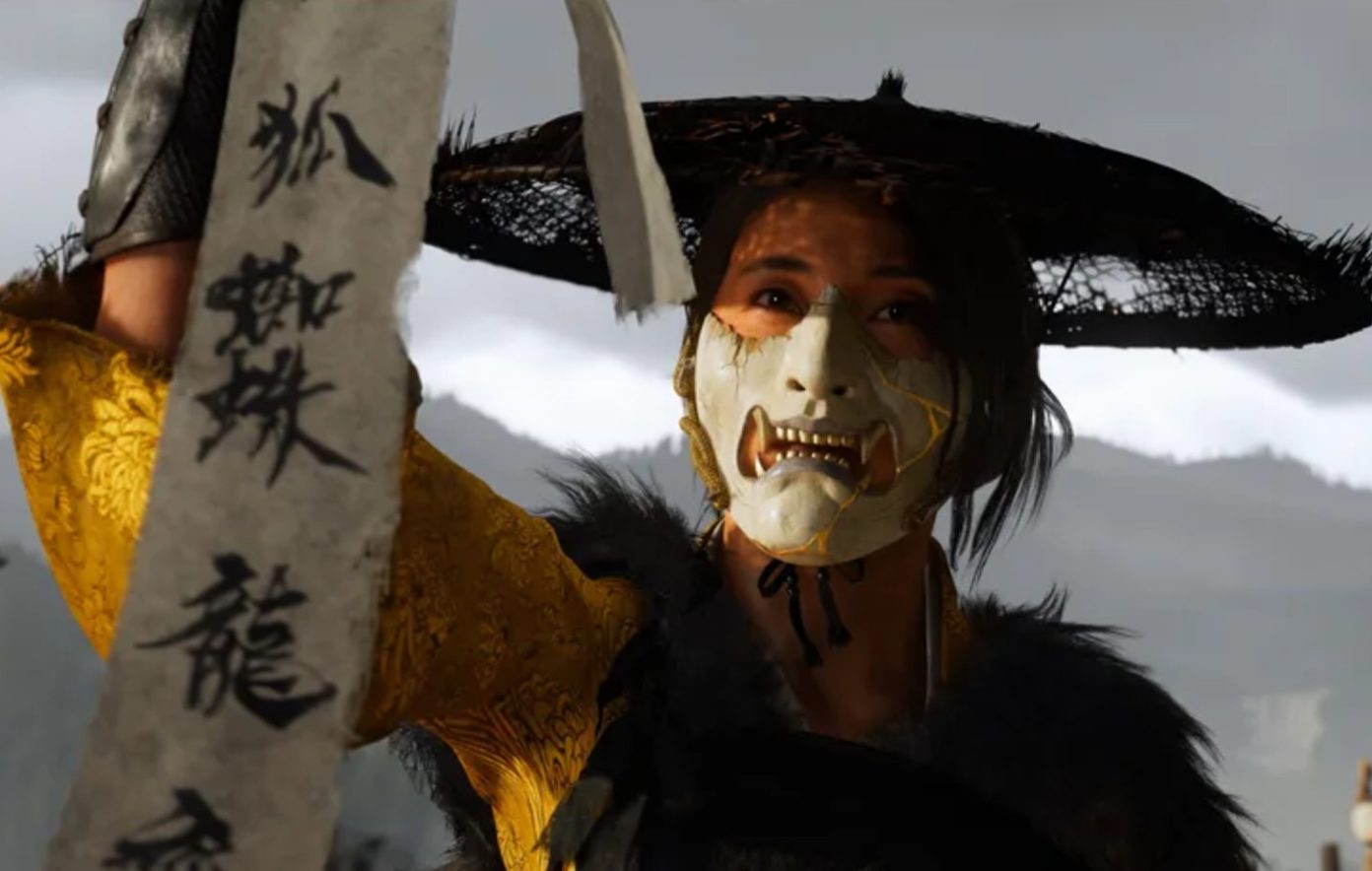
Ghost of Yōtei, the much-anticipated follow-up to Ghost of Tsushima, delivers a stunning samurai revenge story that is both brutal and beautiful. The game focuses on a young warrior driven by vengeance, pulling players into a world where every battle is a test of skill and every choice shapes the journey.
Players take on the role of a young samurai whose family was destroyed in a violent raid. Consumed by anger and sorrow, the protagonist embarks on a relentless quest to hunt down those responsible. This journey combines a compelling narrative with intense combat mechanics, making the revenge story feel personal and immediate.
The world of Yōtei is meticulously crafted, with landscapes that range from snow-covered mountains to dense forests and ancient villages. Each environment feels alive and adds to the emotional weight of the journey. Players will find themselves pausing to admire the scenery, but the beauty of the world does not diminish the danger that lurks around every corner.
Combat in Ghost of Yōtei is both satisfying and demanding. Players must master precise sword techniques, timing, and strategy to defeat enemies. The game rewards careful planning and punishes reckless behavior, making each encounter tense and thrilling. Stealth elements allow for silent takedowns, adding depth and variety to the action. The fluidity of the combat system makes every fight feel cinematic and impactful.
The narrative is where Ghost of Yōtei truly shines. Unlike many revenge-focused games, it does not glorify violence for its own sake. Instead, it explores the emotional and psychological toll of vengeance. The protagonist struggles with anger, guilt, and the cost of their choices, creating a story that is both engaging and thought-provoking. Dialogue and cutscenes are well-written, and the voice acting captures the raw emotion of the characters, drawing players further into the story.
Visuals and audio design play a crucial role in immersing players. The game features stunning landscapes, detailed character models, and realistic animations. Lighting and weather effects enhance the atmosphere, whether it is the glow of a sunset over the mountains or the quiet tension of a snow-filled village. The soundtrack complements the story perfectly, blending traditional instruments with cinematic scores to heighten emotional moments and battle intensity.
Ghost of Yōtei also offers customization options that allow players to adapt the protagonist’s skills and weapons to their preferred playstyle. Whether focusing on stealth, heavy combat, or a balanced approach, each choice impacts gameplay and strategy. This flexibility encourages replayability, as players can explore different approaches and strategies in subsequent playthroughs.
Despite its beauty and depth, the game is not without challenges. Some encounters can be punishing, requiring patience and practice to overcome. However, these difficulties add to the sense of accomplishment when a hard-fought battle is finally won. The balance between challenge and reward is carefully tuned, keeping players engaged and invested throughout the journey.
In conclusion, Ghost of Yōtei is a remarkable samurai revenge game that combines breathtaking visuals, precise combat, and a deeply emotional narrative. Its focus on the costs of vengeance, paired with immersive world-building and strategic gameplay, makes it a worthy successor to Ghost of Tsushima. For fans of samurai stories and intense action, this game offers a captivating and unforgettable experience.
