


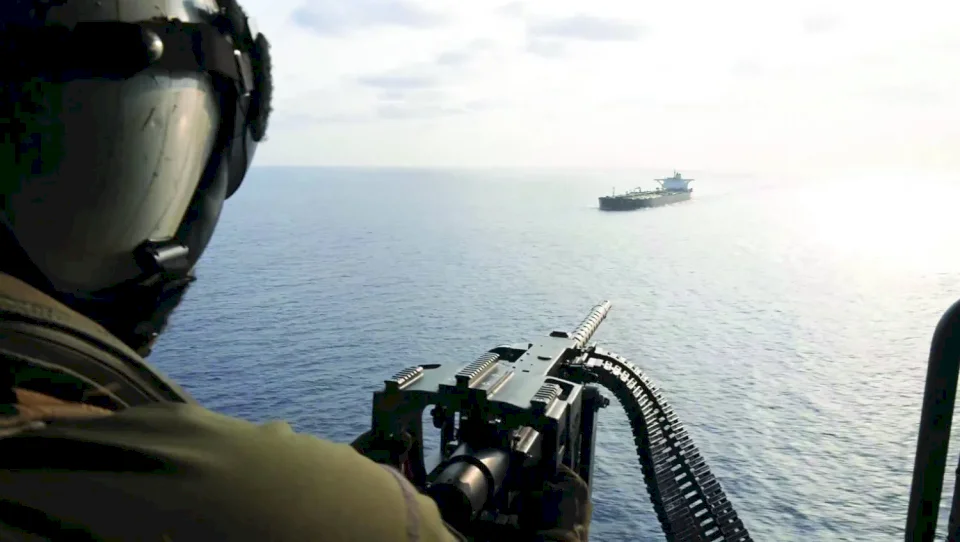
The United States has reinstated sanctions on Iranian oil after attacks on commercial ships in the Strait of Hormuz. The move came just hours after three tankers were targeted, raising new concerns about security along one of the world’s busiest energy routes.
A US official said Iran’s actions in the strait were unacceptable and warned that they would have serious consequences. The official added that Washington expects Iran to meet its commitments before receiving any sanctions relief.
The renewed restrictions end a temporary license that had allowed Iran to produce, sell, and export crude oil and petroleum products.
The license was issued in June last year as part of a temporary understanding between Washington and Tehran. It was designed to reduce tensions while both sides worked toward a broader agreement.
Under that arrangement, Iran could continue producing and exporting oil until August 21. However, the latest security incident prompted US officials to withdraw that permission before its planned expiration.
The decision followed attacks on three commercial vessels in the Strait of Hormuz. Maritime monitoring groups reported that the ships included a liquefied natural gas tanker from Qatar.
Qatari authorities also confirmed the incident.
Officials have not released full details about the attacks, and investigations are continuing. No immediate information was available about casualties or the extent of damage to the vessels.
The Strait of Hormuz is one of the world’s most important shipping lanes. A large share of global oil and liquefied natural gas exports passes through the narrow waterway every day.
Any disruption in the area can quickly affect energy markets and global trade.
The latest attacks have renewed concerns about the safety of commercial shipping. Energy companies and shipping firms continue to monitor developments closely as governments assess the security situation.
Earlier, Iran had lifted a blockade in the Strait of Hormuz after reaching a memorandum of understanding with the United States. That agreement created a fragile pause in tensions between the two countries.
The latest events have now placed that understanding under fresh pressure.
The US official said the memorandum remains in place but made clear that its success depends on Iran’s actions.
According to the official, the agreement is entirely based on performance. Iran will receive benefits only if it shows what the official described as good behavior and follows the terms of the understanding.
The official also said the United States remains committed to diplomacy despite the latest developments.
American negotiators continue to work in good faith toward a final agreement with Iran, the official said. The goal remains to reduce tensions while protecting regional security and international shipping.
The decision to restore sanctions sends a strong signal that Washington is prepared to respond quickly if it believes the agreement has been violated.
Iran has not immediately issued a public response to the renewed sanctions or the US statement.
The Strait of Hormuz has long been a focal point of regional tensions. Past incidents involving commercial ships have led to concerns over the stability of global energy supplies.
Because the waterway carries a significant share of the world’s oil exports, governments and energy markets closely watch any military or security developments in the area.
The latest attacks are likely to increase international attention on maritime security in the Gulf.
Analysts say further incidents could affect shipping costs, insurance rates, and energy prices if tensions continue to rise.
For now, the United States says it will continue diplomatic efforts while enforcing sanctions tied to Iran’s actions. Officials insist that future sanctions relief will depend on Tehran’s compliance with the existing understanding and its conduct in the Strait of Hormuz.
The renewed sanctions mark another shift in US policy as Washington balances diplomatic negotiations with security concerns in one of the world’s most important energy corridors.
