


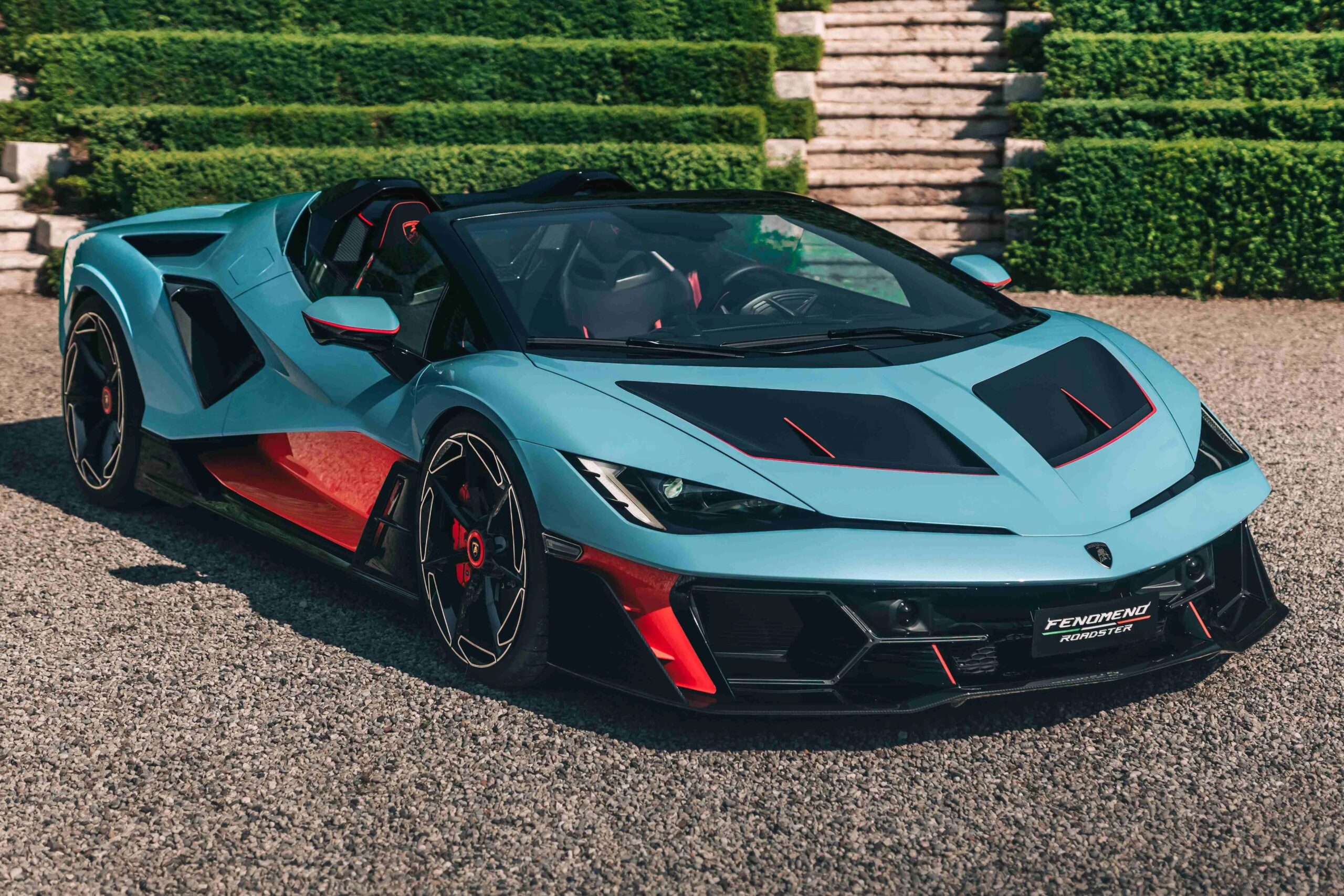
Luxury vehicle pricing relies on real exclusivity across international consumer markets. While many brands place special labels on products, few manufacturers enforce strict build caps. Premium auto brands charge high prices while buyers wait over a year for vehicle delivery.
That distance between artificial rarity and genuine scarcity defines high-end automotive sales. Real production limits bring distinct financial challenges to luxury car makers. Lower delivery totals mean fewer unit sales, regardless of positive public relations campaigns.
Lamborghini experienced that exact financial balance during the first half of this year. The Italian supercar brand, owned by Volkswagen through Audi, recorded record revenue. However, total vehicle delivery numbers fell compared to the previous year.
In the United States, its primary market, performance metrics required careful review. On August 14 in Monterey, California, the company revealed a new strategic model. The new Revuelto SV stands as the most powerful production car in company history.
LamboCars+ 1
The new launch addresses long-term corporate earnings targets alongside track performance goals. Half-year financial reports showed early signs of shifting market conditions. Company revenue rose 7.4 percent to 1.74 billion euros during the first six months. Chief Executive Officer Stephan Winkelmann highlighted the record financial figures in official statements.
Detailed financial data revealed broader operational shifts beneath the surface headline. Total car deliveries dropped 4.6 percent to 5,422 units overall. Operating profit fell to 395 million euros from 431 million euros. Operating margins also narrowed from 26.5 percent down to 22.7 percent year over year.
High custom options kept average prices high across top buyer markets. Wealthy buyers added costly features, which supported total sales revenue despite lower unit volume. However, rising production costs and model transition shifts put pressure on net profit margins.
The Revuelto SV arrival aims to protect profitability through strict volume limits. Production capped at 1,963 units honors the founding year of the brand. The hybrid powertrain delivers 1,065 horsepower by pairing a V12 engine with electric motors. That performance setup creates a direct price premium over base production models.
Driven Car Guide
Extreme scarcity creates strong demand among wealthy car collectors worldwide. Reserved build slots sell out quickly, securing steady order books for upcoming fiscal years. Buyers gladly accept multi-year waiting times to secure rare vehicle allocations.
This sales strategy allows the manufacturer to boost earnings without flooding open markets. Limited production runs protect brand value and maintain high resale prices. Collectors view these rare flagship models as secure financial investments over time.
Strategic focus now shifts toward delivering these high-margin supercars to global clients. The company balances strict build limits with growing customer demand across major regions. By selling fewer units at higher price points, the firm maintains elite market status.
Automobile analysts monitor how this scarcity model impacts long-term operational margin targets. Higher option sales per vehicle help offset lower total delivery numbers. The high-performance hybrid rollout demonstrates how luxury brands protect earnings during changing economic cycles.
Strong brand equity gives top manufacturers reliable pricing control across global markets. As long as buyers demand rare models, hard production caps remain profitable. The latest V12 hybrid flagship ensures the iconic brand retains its strong position. Exclusivity continues to drive revenue for top luxury automakers worldwide.
