


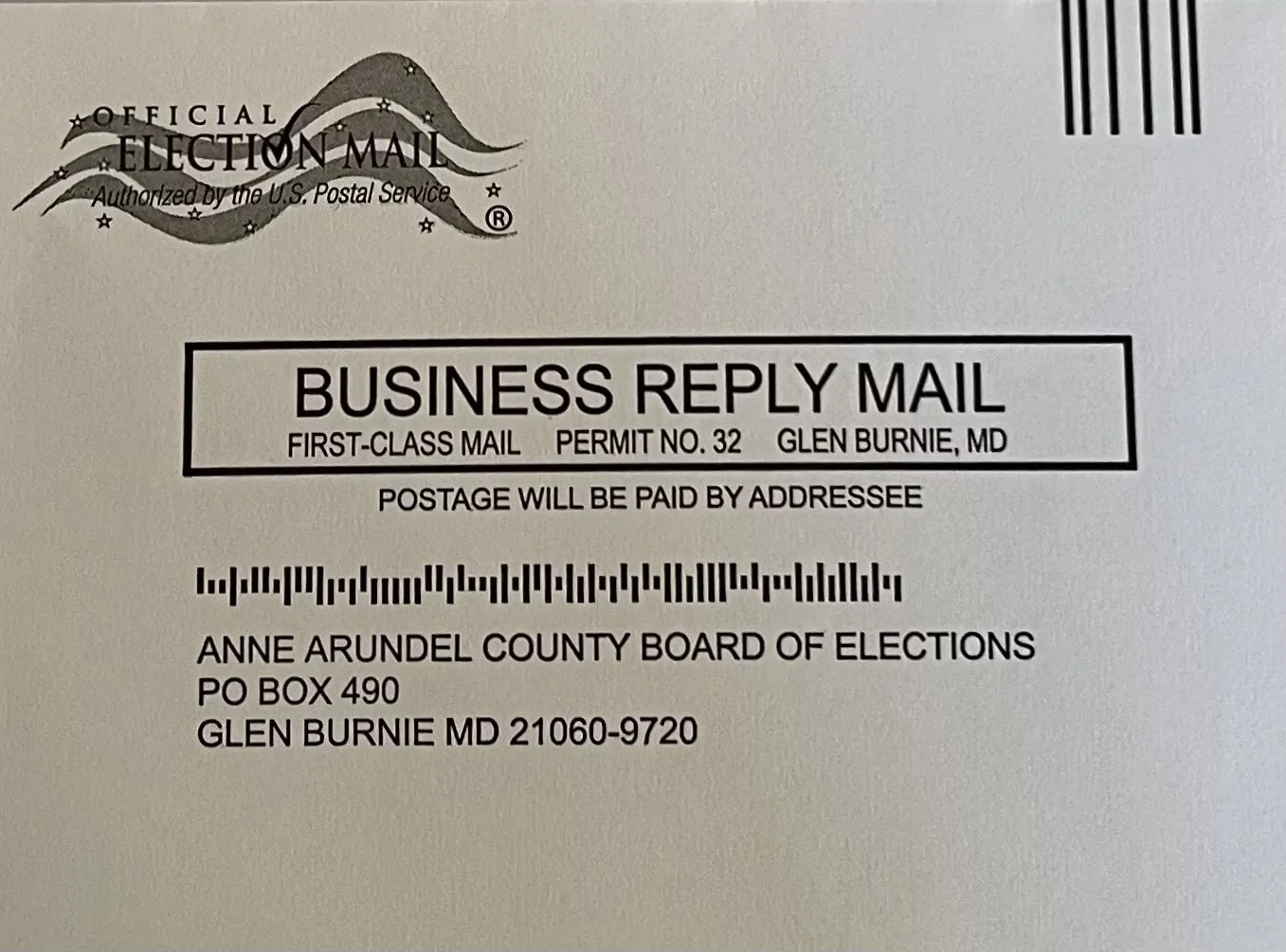
A major legal dispute over mail voting rules is moving back before the U.S. Supreme Court as the Trump administration seeks approval for new election restrictions ahead of the midterm elections. The latest appeal comes as states begin mailing ballots, raising the urgency of a decision that could affect millions of voters.
The administration filed its request after a federal judge extended a court order preventing the U.S. Postal Service from enforcing parts of an executive order linked to mail ballot procedures. The ruling keeps the current system in place while the broader legal challenge continues through the courts.
Officials backing the appeal argue that time is running short. They say election preparations are already underway in many states, making it important to resolve the issue before more ballots enter the mail system.
According to court filings, North Carolina has already started sending ballots to voters. Several additional states are scheduled to begin mailing ballots within days. Administration lawyers argue that once those ballots are distributed, it becomes impossible to reverse or modify the process.
Government attorneys told the Supreme Court that the continued court order creates uncertainty for election administrators. They believe the proposed rules should be implemented now to ensure consistency across election operations.
The administration argues that election officials are currently allowed to prepare for potential changes, but those efforts remain voluntary. Officials contend that mandatory enforcement is needed to avoid confusion as voting activities increase nationwide.
Supporters of the proposed restrictions say uniform election procedures help strengthen confidence in the voting process. They argue that clear requirements can reduce uncertainty and create consistent standards for handling mail ballots.
Opponents disagree. They argue that changing voting procedures close to an election could create challenges for voters and election workers. Critics also warn that sudden adjustments may require additional voter education and administrative planning.
The dispute has become one of the most significant election-related court battles of the year. It marks the third time the administration has asked the Supreme Court to intervene in the matter.
Although the Supreme Court has previously allowed parts of the broader plan to proceed, the justices have not yet issued a final decision on the legality of the policy itself. That question remains under review as legal proceedings continue.
Mail voting plays a major role in American elections. Millions of voters rely on mail ballots because of convenience, work schedules, travel, age, health concerns, or military service. Election officials therefore pay close attention to any changes affecting the process.
Experts note that managing mail voting requires extensive preparation. Election offices must print ballots, prepare envelopes, update voter information systems, and communicate requirements to voters. These tasks often begin months before Election Day.
Because many states are already entering that stage, the timing of the legal fight has become especially important. Election administrators are looking for certainty as they continue preparing for the midterms.
The federal judge’s decision to maintain the injunction means current procedures remain in effect for now. The administration argues that waiting longer could make implementation more difficult if the restrictions are eventually approved.
Election officials across the country are monitoring the case closely. Any ruling from the Supreme Court could influence how ballots are processed and how election offices conduct operations during the voting period.
The stakes are particularly high because control of Congress will be decided in the upcoming midterm elections. Political parties, advocacy groups, and voting organizations are all watching the case as it moves forward.
Legal analysts say the Supreme Court may act quickly because election deadlines are approaching. A decision in the coming weeks could determine whether the administration’s proposed mail ballot rules take effect before voting expands in additional states.
For now, the legal battle remains unresolved. As ballots continue to reach voters and election preparations accelerate nationwide, attention remains focused on the Supreme Court and its next move in a case that could shape election procedures across the United States.
