


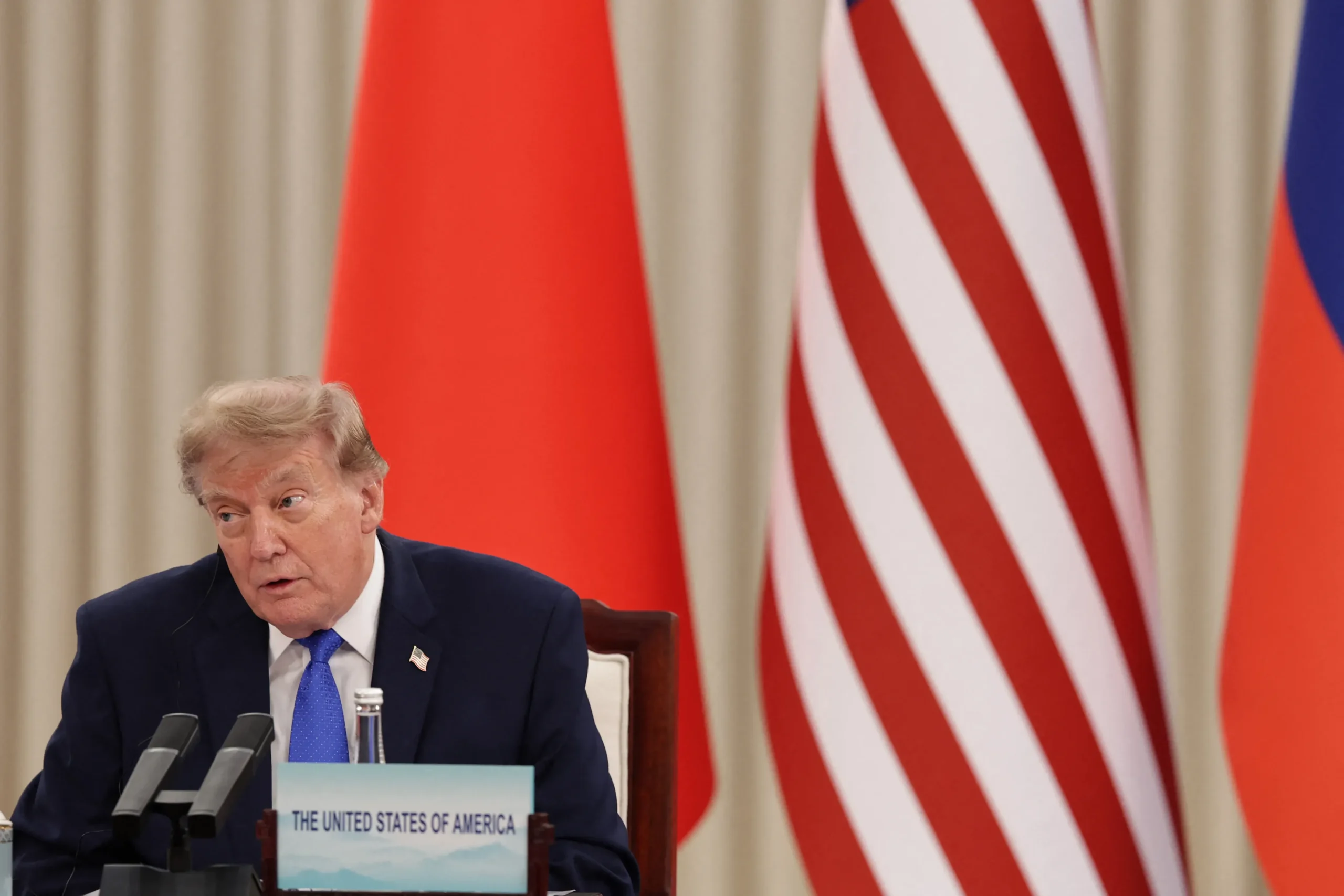
The Trump administration is preparing a new round of targeted tariffs on China, Europe and other major trading partners as it continues its efforts to challenge what it describes as unfair international industrial policies. The proposed measures follow a trade investigation launched in March into the effects of foreign subsidies and government support for manufacturing industries. Officials believe that excessive production in some countries has created an unfair advantage for overseas companies and placed American manufacturers under pressure. The administration is considering announcing the new measures as part of its wider trade agenda.
The planned tariffs are expected to be more targeted than the broad emergency duties that were previously introduced by the president. According to a person familiar with the discussions, the proposed rates would remain within the limits set by existing trade agreements. Previous arrangements with the European Union and Japan established a 15 per cent tariff ceiling on most imports. The administration is therefore attempting to use other legal trade authorities to pursue its objectives after the Supreme Court struck down its sweeping emergency tariffs earlier this year.
The issue has become politically sensitive because tariffs can increase costs for businesses and consumers. Companies that rely on imported materials may face higher expenses, while some of those costs can eventually be passed on to households through higher prices. The timing is particularly important because affordability remains a major concern for American voters. Democrats who are preparing to take control of Congress have promised to focus on household costs and have criticised the president’s trade policies for contributing to financial pressure.
The proposed measures could also complicate Washington’s relationships with important trading partners. The administration has previously sought cooperation from other economies to address industrial overcapacity and government subsidies. However, imposing new duties on countries whose support Washington wants could create diplomatic difficulties. The United States is also involved in trade disagreements with Canada while negotiations continue over the future of the US-Mexico-Canada Agreement. The next stage of the tariff plan will therefore be closely watched by lawmakers, businesses and international governments.
