


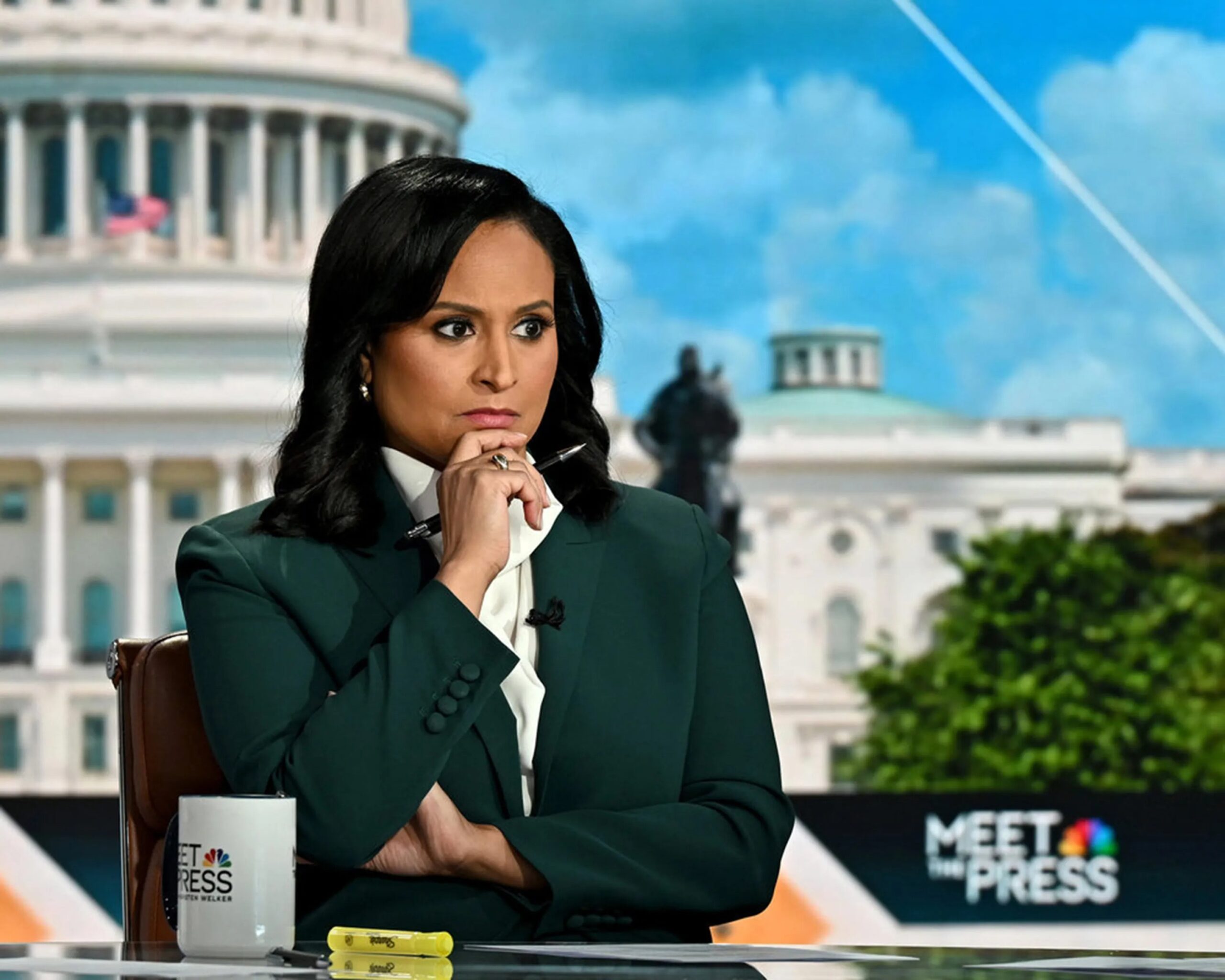
A new Trump Media FCC Dispute has sparked debate over press freedom and the role of federal regulators after President Donald Trump called for action against NBC journalist Kristen Welker over comments about his political endorsement record.
The controversy began after Trump criticized Welker in a series of social media posts on Sunday. The president objected to remarks suggesting that his recent endorsement results in primary elections had produced mixed outcomes.
Trump argued that the description was inaccurate and claimed that the success rate of candidates he endorsed remained very high. He pointed to recent election victories and said media reports were failing to present a fair picture of his influence in Republican politics.
The president went further by stating that Welker should be reported to the Federal Communications Commission because of what he described as a purposeful error.
His comments immediately drew attention from political observers, media organizations, and communications experts.
The dispute centers on how Trump’s endorsement record should be viewed. In recent months, many candidates supported by the president have won primary contests. At the same time, some Trump-backed candidates have suffered defeats in competitive races.
Because of those mixed results, several news organizations have used that description when reporting on the president’s political influence ahead of future elections.
Trump rejected that assessment and insisted that his endorsements continue to be highly effective.
The Federal Communications Commission became part of the debate after Trump suggested that the agency should take the matter seriously.
The commission oversees communications and broadcasting regulations in the United States. However, it has traditionally not acted as a referee for political opinions expressed during news coverage.
Communications experts have long argued that the agency cannot punish journalists simply because elected officials disagree with reporting or commentary.
Despite those limits, Trump’s remarks generated discussion because they appeared to encourage regulatory scrutiny of a television journalist.
The commission did not announce any investigation connected to Welker’s comments.
Brendan Carr, the FCC chairman and a longtime Trump ally, did not immediately issue a public response to the president’s statements.
The controversy also prompted reactions from within the commission itself.
FCC Commissioner Anna Gomez publicly defended press freedom and argued that federal regulators should not be used to target journalists. She stated that the agency lacks authority to punish reporters over political disagreements.
Her comments were welcomed by advocates of independent journalism, who expressed concern about government pressure on news organizations.
NBC also stood behind Welker following the criticism.
The network praised the veteran journalist and reaffirmed its support for her work. Executives defended the reporting behind the discussion that triggered the dispute and said the network remained confident in its coverage.
Welker has become one of the most visible political interviewers in the United States. Over the years, she has conducted interviews with major political figures from both parties, including Trump himself.
The president has criticized her reporting on several occasions. Yet he has also granted her interviews and used her programs to communicate with voters.
The latest disagreement reflects a broader pattern in American politics.
Relations between political leaders and the media have become increasingly tense in recent years. Disputes over reporting, polling, election coverage, and political commentary frequently generate national debate.
Trump’s criticism extended beyond Welker. In separate comments, he also questioned the accuracy of some public opinion polls and suggested that stronger oversight was needed.
Supporters of the president argue that many media outlets treat him unfairly and often understate his political successes. Critics counter that government officials should not pressure regulators to respond to unfavorable coverage.
As the Trump Media FCC Dispute continues to attract attention, it has renewed discussions about journalism, free expression, and the independence of federal agencies.
For now, no regulatory action has been announced. However, the controversy has once again highlighted the ongoing clash between political power and the news media in the United States, a debate that remains central to the country’s public and political life.
