


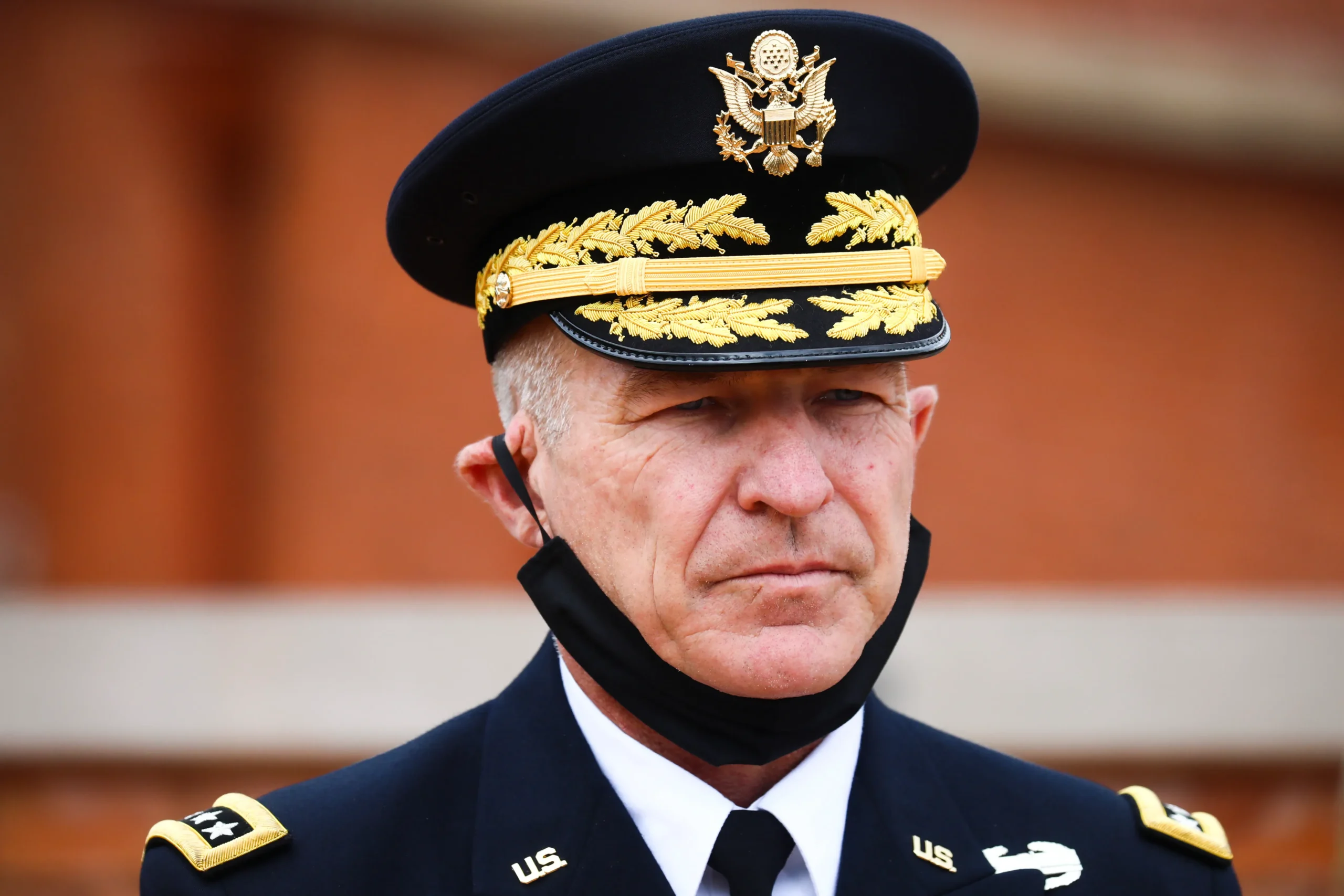
Defense Secretary Pete Hegseth has nominated General Christopher LaNeve to become the next chief of staff of the United States Army. The announcement comes seven months after the dismissal of former Army Chief of Staff General Randy George. The nomination is an important step in the administration’s effort to fill a senior military leadership position and shape the future direction of the Army.
LaNeve currently holds two important roles within the military. He is serving as the acting chief of staff and the Army’s vice chief of staff. Before taking on these responsibilities, he worked as Hegseth’s senior military aide. His close working relationship with the defense secretary has placed him in a position of trust within the current leadership structure.
Hegseth has also nominated Lieutenant General Marcus S. Evans to serve as the Army’s vice chief of staff. The two nominations would establish a new leadership arrangement at the top of the service. The positions are important because they help guide military planning, personnel management and the preparation of forces for national security duties.
The Army chief of staff is responsible for overseeing the service’s organisation and readiness. The position involves working with senior commanders, managing resources and advising civilian leaders on military matters. The role also requires long-term planning because the Army must prepare for changing security challenges and maintain the equipment and training needed by its personnel.
The nomination follows a period of uncertainty after General Randy George was removed from the position without a public explanation. Changes at senior levels of the military can attract attention because stability and professional experience are important in military leadership. The new appointments may therefore receive close examination during the confirmation process.
LaNeve’s experience in senior military roles could be an important part of the case for his appointment. However, lawmakers and defence officials will need to consider his record, leadership approach and ability to manage the Army’s responsibilities. The appointment process provides an opportunity to examine how he plans to address the service’s needs.
The Army faces several long-term challenges. These include modernising equipment, improving readiness, supporting military personnel and preparing for new forms of conflict. Technology is also changing the way armed forces operate, making investment in communications, intelligence and advanced systems increasingly important.
The nominations come at a time when the administration is reviewing several parts of national security policy. Senior military leaders will play an important role in carrying out those plans. The new leadership team will need to work with Congress, the Pentagon and military commanders to maintain readiness.
The confirmation process will determine whether LaNeve and Evans take their proposed positions. Their appointments could shape Army leadership and planning for years to come.
