


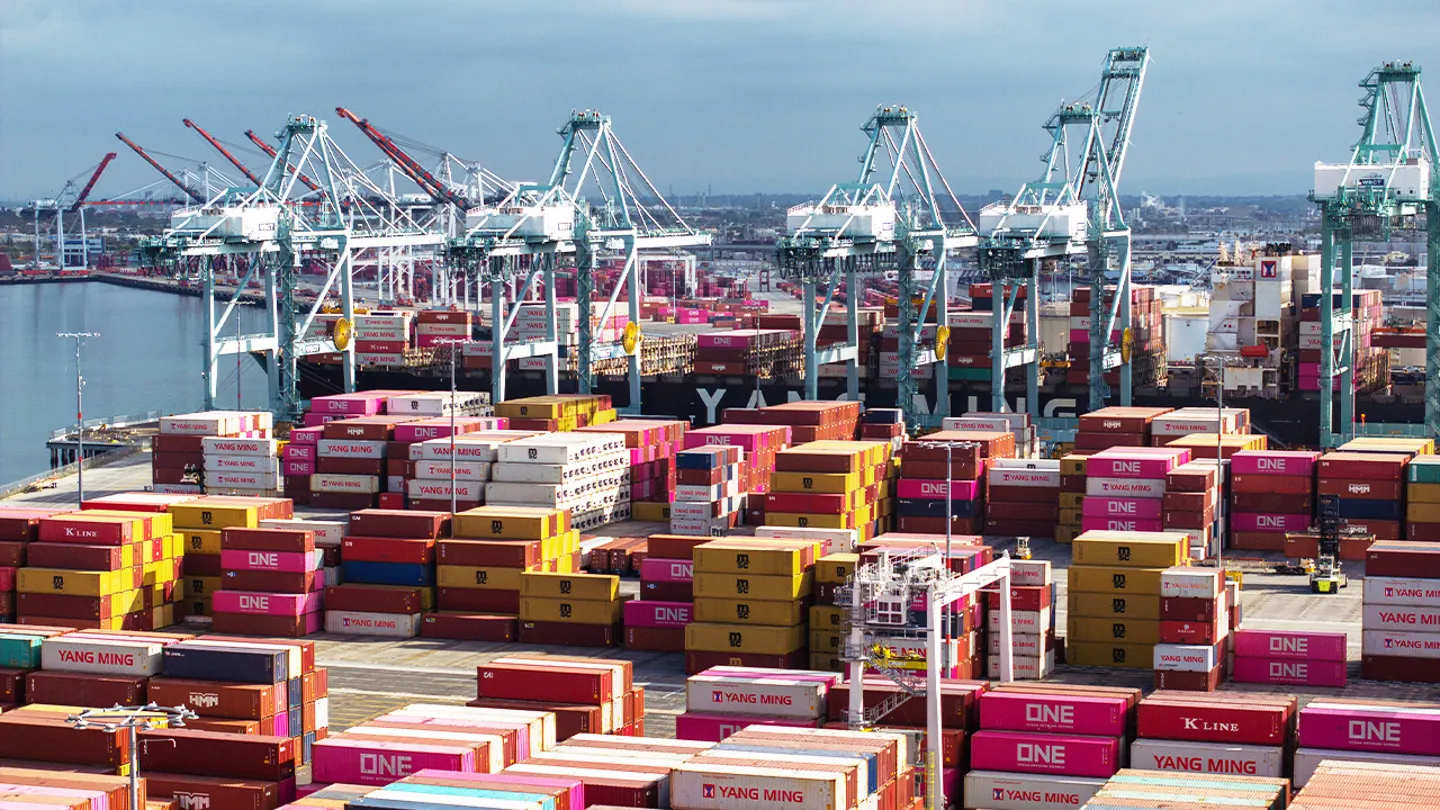
US Tariff Refund System measures have been introduced by the White House to support companies affected by previously invalidated tariffs, marking a major step aimed at restoring business confidence and easing trade-related tensions.
The new refund system is designed to return an estimated $166 billion to affected businesses. Officials say the initiative addresses financial losses caused by tariffs that were later ruled invalid or adjusted through legal and regulatory reviews.
The US Tariff Refund System is expected to provide significant relief to importers, manufacturers, and supply chain operators who faced higher costs during the tariff enforcement period. Many companies had absorbed additional expenses that impacted profits and pricing strategies.
According to officials, the refund process will be managed through a structured federal system. Eligible companies will be able to submit claims and receive payments after verification of tariff-related impacts.
The White House said the initiative is part of a broader effort to stabilize the business environment. By returning funds to companies, the government aims to improve liquidity and encourage investment in key sectors.
Business leaders have responded positively to the announcement. Many say the refunds could help restore confidence after years of uncertainty linked to shifting trade policies and tariff disputes.
The US Tariff Refund System also signals a policy shift toward improving predictability in trade regulations. Clearer rules and compensation mechanisms are expected to reduce friction between government policy and private sector planning.
Economists note that the return of such a large sum could have a meaningful impact on corporate balance sheets. Companies may use the funds to reduce debt, expand operations, or invest in new supply chain strategies.
Small and medium-sized enterprises are expected to benefit as well. These firms were often more vulnerable to tariff-related cost increases and may see immediate financial relief from the refund process.
The administration said the system was developed after reviewing past tariff policies and identifying areas where businesses faced unintended financial burdens. The goal is to correct those impacts in a structured and transparent way.
US Tariff Refund System efforts are also seen as a way to rebuild trust between the government and the private sector. Predictable trade policy is considered essential for long-term economic growth and investment planning.
Trade experts say the move could help reduce tensions in certain industries that were heavily affected by tariff measures, including manufacturing, automotive, and consumer goods sectors.
However, analysts also caution that implementing such a large-scale refund system will require careful oversight. Ensuring accurate eligibility checks and preventing delays will be critical to the program’s success.
Despite these challenges, early reactions from the business community remain optimistic. Many companies see the refunds as a positive step toward correcting past trade disruptions.
The US Tariff Refund System is expected to roll out in phases, with priority given to verified and high-impact claims. Further details on application procedures are expected to be released soon.
As the program develops, officials say the focus will remain on transparency, efficiency, and restoring confidence in the country’s trade and economic policy framework.
