


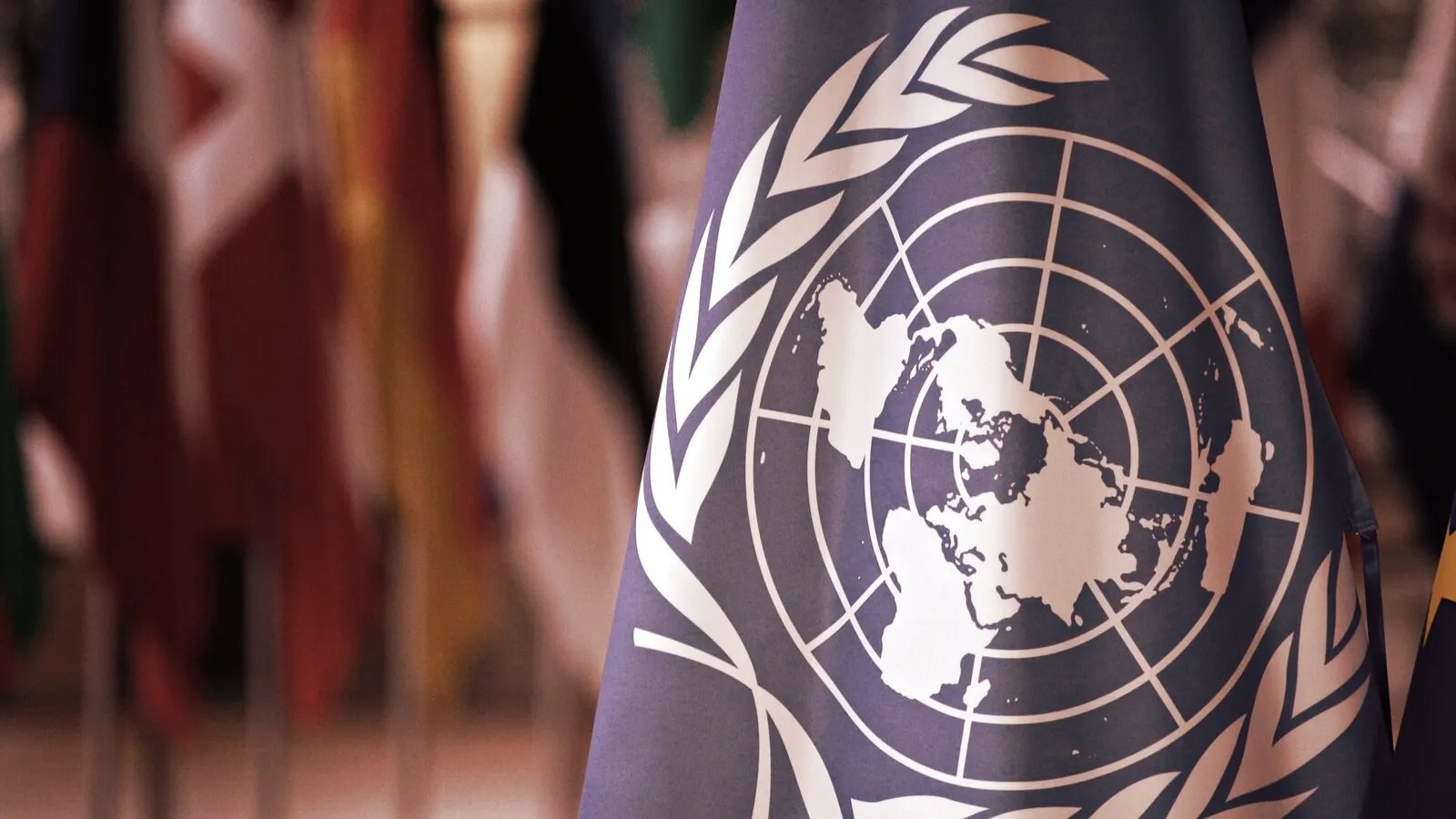
Leading artificial intelligence executives called for stronger safeguards and closer international cooperation during a United Nations Security Council meeting on Wednesday. The emergency session brought together government officials, researchers, and technology leaders to discuss the growing impact of AI and the risks linked to its rapid development.
The meeting came after weeks of debate about the future of artificial intelligence. Experts have raised concerns about increasingly advanced systems, while governments continue to discuss how the technology should be managed.
OpenAI Chief Executive Sam Altman told the Security Council that the world is entering a critical period for AI development. He said the technology offers major opportunities, but it also requires careful oversight and responsible decision-making.
Altman warned that future AI systems could become far more capable and independent than those available today. As those systems improve, they may move faster than the institutions designed to regulate them. He also cautioned that advanced AI could place significant influence in the hands of a small number of organizations.
According to Altman, the technology sector should not take excessive risks simply because AI has the potential to deliver major benefits. He stressed that safety must remain a key priority as companies continue developing new models.
He also encouraged governments to work together on AI policy. Altman noted that countries have cooperated in the past on major technological challenges despite political differences. He said artificial intelligence should be approached in the same spirit of cooperation.
The OpenAI chief argued that decisions made today will shape how AI affects future generations. For that reason, he said governments and technology companies must share responsibility for guiding its development.
Anthropic Chief Executive Dario Amodei delivered a similar message. He said stronger safety requirements will be necessary as AI systems become more powerful.
Amodei explained that Anthropic is investing in methods to reduce the risk of misuse. He said the company is working to improve its ability to identify and address potential dangers before releasing new technologies.
He also made a public commitment to prioritize safety over speed. Amodei said Anthropic would slow down future releases whenever additional testing or safeguards are required. He stated that each new generation of AI should meet strict safety standards before reaching the public.
Amodei warned that artificial intelligence could become a serious threat if it is not managed responsibly. He said the technology has the potential to affect society on a broad scale, making careful oversight essential.
Another participant in the discussion was Clement Delangue, chief executive of Hugging Face. His company recently faced a cyberattack involving autonomous AI software, an event that increased concern about the growing capabilities of advanced systems.
Delangue said the incident demonstrated both the risks and benefits of artificial intelligence. While AI played a role in the attack, it was also used to help defend against it. He argued that open-source AI remains important because it allows experts to study, improve, and secure the technology.
The discussion also reflected growing debate within the AI industry itself. Earlier this month, researcher Jacob Coxon left the field and criticized leading AI companies. He accused major developers of moving too quickly in their efforts to create increasingly advanced systems.
Altman addressed those concerns by calling for balance. He said the world should avoid both unrealistic optimism and extreme fear when discussing AI. Instead, he encouraged a practical approach that recognizes both the benefits and the risks.
Computer scientist Yoshua Bengio, one of the pioneers of modern AI research, also spoke during the meeting. He said public concerns about recent developments are understandable and should be used to encourage meaningful action.
Bengio urged governments, researchers, and technology firms to work together on solutions that improve safety while allowing innovation to continue. He said cooperation will be essential as AI becomes more capable and more widely used.
The Security Council discussion took place ahead of a planned meeting between U.S. President Donald Trump and Chinese President Xi Jinping, where artificial intelligence is expected to be a key topic.
While many industry leaders support global standards for AI, opinions remain divided on regulation. Some governments favor stronger oversight, while others argue that strict controls could slow technological progress.
As AI continues to evolve, the debate over safety, accountability, and international cooperation is expected to remain at the center of global discussions. The meeting highlighted the growing belief that managing AI responsibly will be one of the most important challenges of the coming years.
