


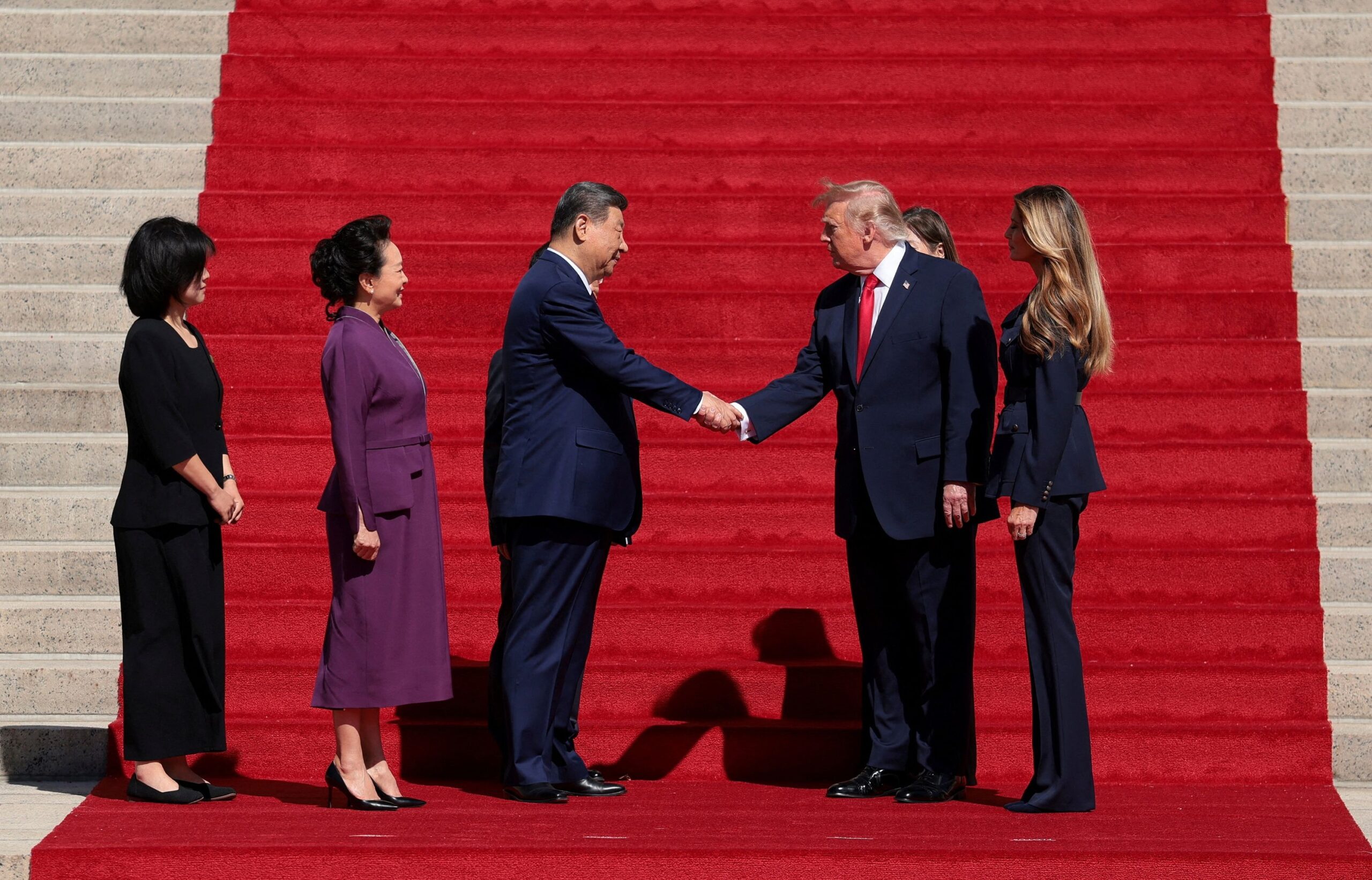
President Donald Trump’s state visit with Chinese President Xi Jinping became one of the most closely watched diplomatic events of the year. While the meeting featured ceremonies, official talks and public appearances, a dispute over media access emerged as a major story during the visit.
The summit brought the leaders of the United States and China together in Washington for a series of events aimed at highlighting relations between the two countries. The visit marked the first state visit by a Chinese president to the United States in more than a decade.
For months, preparations were underway to make the visit a significant diplomatic occasion. The White House organized military ceremonies, formal receptions and a state dinner as part of the schedule. Officials hoped the events would showcase cooperation between the two nations and provide a strong public image of the summit.
However, attention quickly shifted to questions surrounding media coverage. The controversy followed restrictions placed on several news organizations, including CNN, Politico and MS NOW. The decision affected television pool coverage, a system that allows media outlets to share reporting and video from events with limited access.
As a result, some of the summit’s activities received less television exposure than originally expected. The issue became a topic of discussion among officials, diplomats and media organizations during the visit.
The reduced coverage attracted attention because public visibility is often considered an important part of international diplomacy. High-profile meetings between world leaders are usually designed not only for policy discussions but also to send messages to domestic and international audiences.
Chinese officials have traditionally placed great importance on media coverage during overseas visits. Public images, broadcasts and reports are often viewed as key tools for demonstrating China’s international influence and diplomatic standing.
Reports indicated that Chinese representatives reached out to American television networks to understand how the restrictions could affect coverage of the summit. Officials were reportedly concerned that fewer broadcasts would limit the visit’s impact on audiences in the United States.
Chinese foreign ministry adviser Wu Xinbo later described the situation as regrettable. He said broader coverage could have helped create a more positive atmosphere in relations between the two countries.
The White House defended its approach and argued that the public still had access to information about the visit through other platforms. Administration officials said digital outlets, online broadcasts and alternative media channels helped deliver coverage to millions of viewers.
White House Communications Director Steven Cheung said media organizations had opportunities to cover the summit and that other outlets stepped in to provide reporting and video coverage.
The television pool resumed operations on Friday after CNN regained access to the White House. Networks were then able to broadcast several events involving the two leaders, including a tea gathering and a visit to the National Archives.
During one public appearance, Trump expressed appreciation for the coverage he received and described it as fair. The comment came as attention remained focused on the debate over media access.
Beyond the controversy, the summit featured several ceremonial events. Trump welcomed Xi with formal honors and organized activities designed to highlight the importance of the visit. Guests attended official receptions, military displays and a state dinner held at the White House.
Foreign policy observers noted that the meeting was expected to focus more on maintaining stable relations than on reaching major new agreements. Both governments entered the summit with modest expectations regarding policy breakthroughs.
Even so, the gathering remained important because it brought together the leaders of two countries that play major roles in the global economy and international affairs.
Some analysts argued that the media dispute distracted from the broader diplomatic goals of the summit. Others said the episode demonstrated how disagreements over press access can influence the public perception of major international events.
As the visit concluded, discussions continued about both the diplomatic outcomes and the media controversy that surrounded them. The Trump Xi summit ultimately combined international diplomacy, ceremonial pageantry and debate over press access, making it one of the most discussed pol
