


The U.S. Supreme Court has ruled that Missouri will continue using its current congressional district map in the 2026 midterm elections. The decision ends another chapter in a long legal dispute over how the state’s congressional boundaries should be drawn.
The ruling came on Friday and blocked an attempt by Missouri Republicans to revive a proposed 2025 congressional map. The Supreme Court had already ruled twice against similar efforts. The latest decision leaves the existing map in place as election activities continue across the state.
The justices said changing district lines after voting has started would create serious confusion. In its brief order, the court warned that switching maps during an active election could disrupt voting and election administration.
The court stressed that Missouri has already begun important parts of the election process. Ballots have been sent to military personnel and citizens living overseas. Early absentee voting has also started in some areas.
Because of those developments, the court said altering district boundaries now would risk creating uncertainty for voters and election officials. The justices pointed to earlier court guidance that advises against changing election rules close to Election Day.
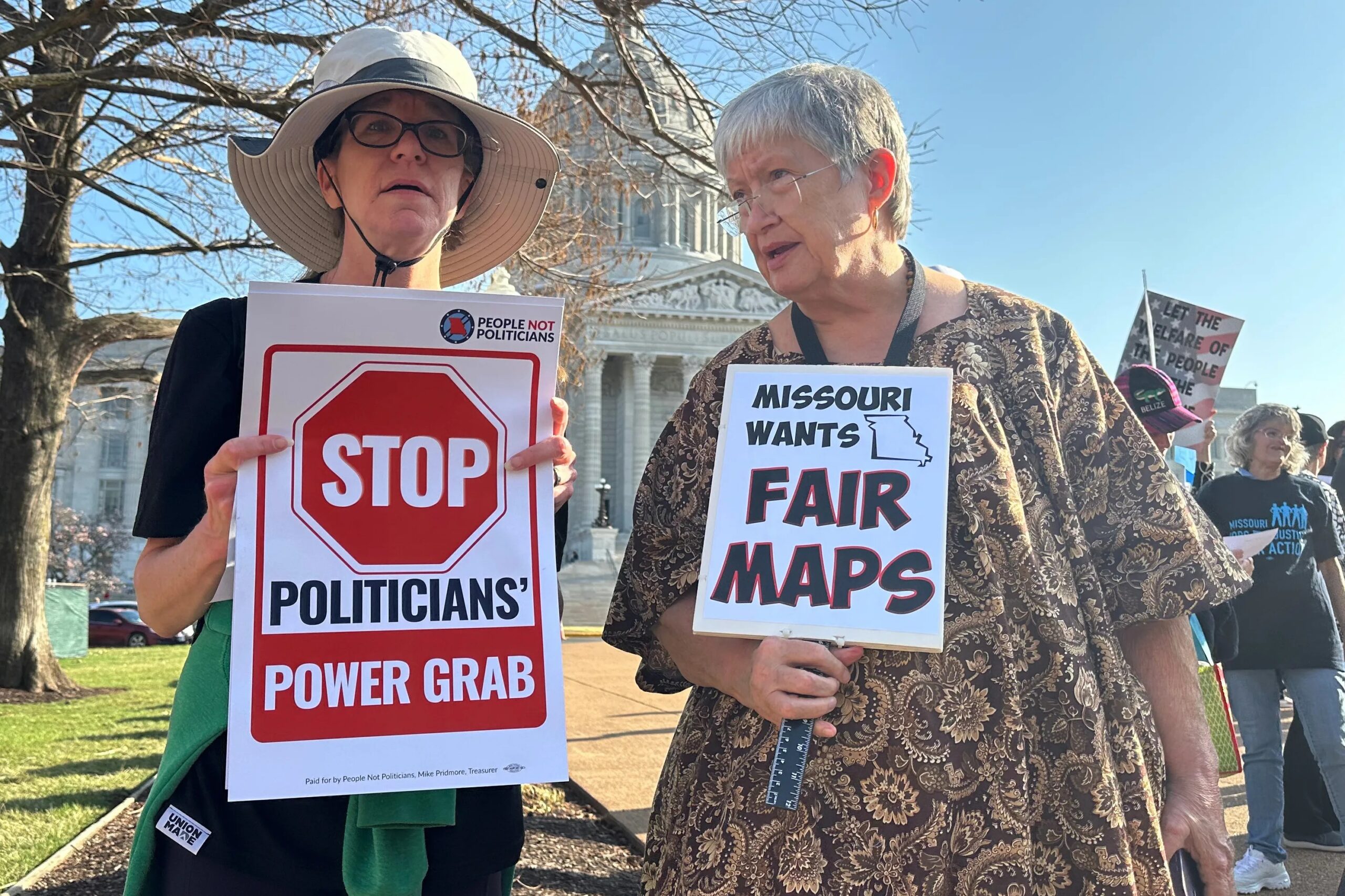
The case reached the Supreme Court after an emergency request from People Not Politicians Missouri. The group challenged the proposed 2025 map and argued that the effort to adopt it did not follow procedures outlined in the Missouri Constitution.
The organization welcomed the court’s decision. Its leaders said the ruling protects the election process and ensures that changes to congressional districts follow established legal requirements.
Under the current 2022 congressional map, Missouri’s congressional delegation includes six Republican-held seats and two Democratic-held seats. That balance will remain in place for the upcoming election.
The proposed 2025 map would have changed several district boundaries. One of the most significant changes involved the district represented by Democratic Congressman Emanuel Cleaver.
If the proposed map had taken effect, Cleaver’s district would have been eliminated. Supporters of the plan argued that the new boundaries reflected updated political and population realities. Opponents said the proposal would have weakened Democratic representation in the state.
The legal battle over Missouri’s districts became part of a broader national debate about congressional redistricting. Across the country, both Republicans and Democrats have pursued new district maps in an effort to strengthen their positions ahead of future elections.
Redistricting has become a major political issue because control of the U.S. House of Representatives is often decided by a narrow margin. Even a small number of district changes can affect the outcome of congressional elections.
Missouri’s case attracted national attention because it was one of several disputes involving efforts to redraw congressional maps before the midterms. Similar debates have taken place in other states as political leaders seek advantages in competitive races.
Following the Supreme Court’s decision, Cleaver said he was pleased that the matter had finally been resolved. He noted that the legal fight had continued for many months and created uncertainty for voters.
Cleaver said many residents were left unsure about which congressional district they belonged to because of the repeated court actions. He believes the final ruling will allow voters to focus on the election rather than legal disputes.
The congressman said his campaign plans to spend time helping voters understand the current district boundaries and election procedures. He said clear communication will be important in the weeks leading up to the vote.
Election officials also gained greater certainty from the ruling. With the district map now settled, local authorities can continue preparing ballots, voter information and election operations without further changes.
The Supreme Court’s decision provides stability as Missouri moves closer to Election Day. Candidates can continue their campaigns, and voters can prepare to cast ballots knowing that the existing district lines will remain in place.
For the 2026 midterm elections, Missouri residents will vote using the congressional map adopted in 2022. After months of legal challenges, the state’s district boundaries are now set for the election ahead.
