


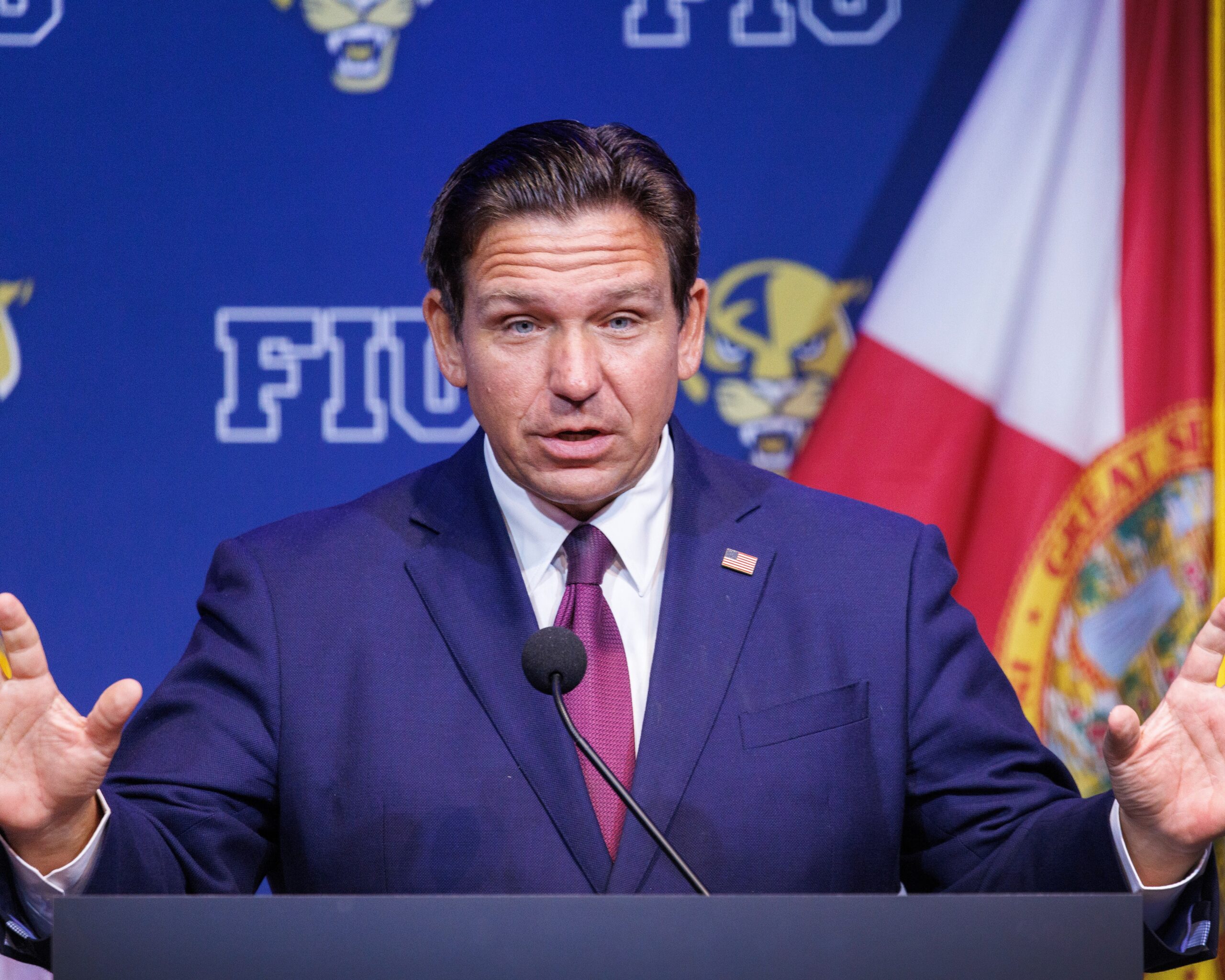
Florida Governor Ron DeSantis has stepped into the debate surrounding the Lindsay Clancy murder trial, defending the lone juror who refused to join the majority in supporting an acquittal based on mental illness.
The governor’s comments came after reports revealed details about the juror’s past legal issues, including a domestic violence charge that was later dismissed. The reports also raised questions about an active restraining order connected to the juror.
DeSantis accused media outlets of unfairly targeting the unidentified juror because of his role in the closely watched case. Writing on social media, the governor suggested the juror was being treated unfairly and even joked that Florida would offer him refuge if he faced harassment.
“If the juror is being harassed, Florida will provide asylum,” DeSantis wrote. He added that the juror would be welcomed in the state.
The remarks quickly drew attention as public discussion continues over the mistrial in the Lindsay Clancy case. Clancy was charged in connection with the deaths of her three children, five-year-old Cora, three-year-old Dawson, and eight-month-old Callan.
Prosecutors argued that Clancy knowingly planned and carried out the killings. Her defense team maintained that she was suffering from severe postpartum psychosis and the effects of medication, leaving her unable to understand the nature of her actions.
After weeks of testimony, jurors spent seven days deliberating but failed to reach a unanimous verdict. The deadlock resulted in a mistrial and left the future of the case uncertain.
Information released after the mistrial showed that 11 jurors supported a verdict of not guilty by reason of lack of criminal responsibility. One juror disagreed, preventing a unanimous decision.
That lone holdout has since become the focus of intense public attention.
According to fellow jurors, the holdout questioned whether Clancy should be found not guilty because of mental illness. Several jurors later claimed he acknowledged doubts about parts of the prosecution’s case but still would not support acquittal under the legal standard presented by the court.
Roni Carlson, the jury foreperson, said the holdout juror admitted having reasonable doubt but remained unwilling to vote for a verdict based on lack of criminal responsibility.
Other members of the jury have publicly discussed the experience. Some said they felt disappointed after spending nearly two months hearing evidence and deliberating without reaching a final outcome.
Nick Dargie, one of the jurors, said many members felt defeated after the mistrial was declared because of the time and effort invested in the case.
The situation became even more controversial after reports emerged regarding the holdout juror’s legal history. According to those reports, he was charged in 2021 after allegations involving an incident with his then wife. Authorities later dismissed the case, and no conviction was recorded.
The reports also stated that a restraining order remains active.
Those revelations have raised new questions about the jury selection process. Potential jurors are often required to answer detailed questions about prior arrests, criminal charges, and court orders before being selected to serve.
Legal experts say attorneys use that information to evaluate whether a potential juror can remain fair and impartial throughout a trial.
Some analysts have questioned whether the juror would have been seated if all relevant information had been reviewed during jury selection.
Michael Coyne, a legal analyst, said the situation could lead to closer examination of the screening process used before the trial began. He suggested attorneys on either side may have reconsidered the juror’s selection had they known about the reported legal history.
Meanwhile, Clancy’s attorney Kevin Reddington is preparing for another court appearance later this month. He plans to ask the judge to dismiss the case, arguing that a retrial should not move forward because of double jeopardy protections.
That request is expected to be considered during a status hearing scheduled for September 29.
The court’s decision could shape the next phase of one of Massachusetts’ most closely followed criminal cases. Until then, public debate over the mistrial, the holdout juror, and the future of the prosecution is likely to continue.
