


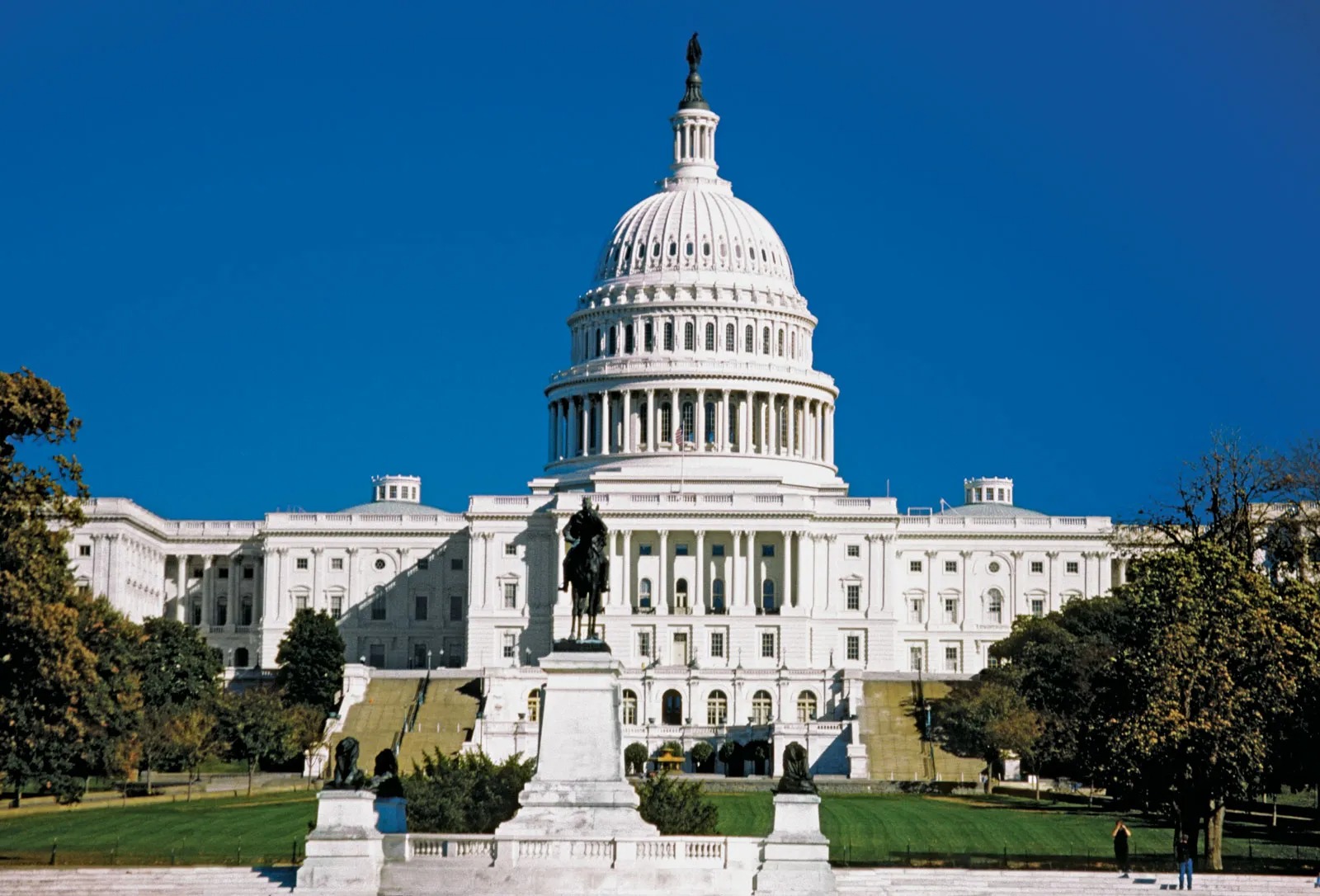
The Senate has approved a temporary funding measure that aims to keep the federal government open and avoid a shutdown before the upcoming midterm elections. The Government Shutdown Funding Bill passed with strong bipartisan support during an overnight session and now moves to the House for consideration.
Lawmakers voted 90-6 in favor of the measure early Saturday. The bill would fund federal agencies through Dec. 11 and prevent a shutdown that could begin on Oct. 1 if Congress fails to act. The legislation also includes a temporary restriction on efforts to give political appointees greater authority over federal grant decisions.
Senate leaders spent several hours in negotiations before the final vote. Their goal was to reach an agreement that would allow senators to address several priorities before leaving Washington for a five-week August recess.
The large margin of support showed that members from both major parties wanted to avoid a funding lapse. Many lawmakers viewed a shutdown as a major political risk with the Nov. 3 midterm elections approaching. A government closure could disrupt public services, create uncertainty for federal workers, and draw criticism from voters.
Only six senators voted against the bill. Those senators were Bill Cassidy of Louisiana, Tim Kaine of Virginia, Ed Markey of Massachusetts, Rand Paul of Kentucky, Bernie Sanders of Vermont, and Elizabeth Warren of Massachusetts.
Supporters of the bill argued that temporary funding is necessary to maintain government operations while lawmakers continue discussions on longer-term spending plans. They said the measure gives Congress additional time to negotiate future budget priorities without creating immediate disruptions.
The legislation would keep agencies operating at current funding levels until Dec. 11. This approach, often used when Congress has not completed annual spending bills, allows government departments to continue their work while lawmakers seek broader agreements.
Another important part of the measure involves federal grants. The bill would temporarily block changes that could increase the influence of political appointees over grant decisions. Supporters said the provision helps maintain confidence in how federal funds are distributed and protects existing review processes.
The measure now faces its next test in the House. While the Senate approved the bill by a wide margin, questions remain about how House members will respond, especially regarding the grant funding provision. The House is controlled by Republicans, and it was not immediately clear whether lawmakers there would support the same approach.
House leaders must decide whether to approve the Senate version or seek changes. Any delay could increase pressure as the funding deadline approaches. Congress has limited time to complete the process before the start of the new fiscal year.
Government shutdowns can have broad effects across the country. Federal employees may face furloughs, some government services can slow down, and agencies may postpone certain activities. Essential services usually continue, but many programs can experience delays during a funding gap.
Because of these risks, lawmakers from both parties often work to prevent shutdowns, even when they disagree on other policy issues. The strong Senate vote reflected a shared interest in maintaining stability and avoiding uncertainty for government workers and the public.
Political observers also noted the timing of the vote. With midterm elections drawing closer, many lawmakers are eager to avoid a shutdown that could become a major campaign issue. Voters often expect elected officials to keep basic government functions running, especially during periods of economic and political uncertainty.
The Government Shutdown Funding Bill represents a short-term solution rather than a final budget agreement. However, its passage in the Senate marks a significant step toward keeping the federal government funded through Dec. 11. Attention now turns to the House, where lawmakers will decide whether the measure can advance and reach final approval before the Oct. 1 deadline.
