


Israeli and Lebanese officials have resumed discussions in Washington as both sides continue efforts to address security concerns and improve relations between the neighboring countries.
The latest round marks the third series of talks between representatives from Israel and Lebanon. Discussions are continuing, although no major breakthrough has been announced so far.
The meetings are focused on reducing tensions, addressing border security issues, and exploring possible steps toward a more stable relationship between the two countries.
Israel’s delegation is being led by Ambassador Yechiel Leiter. Lebanon’s team includes Ambassador Nada Hamadeh Mouawad and former Ambassador Simon Karam.
According to reports, one of the main issues under discussion is the future role of Hezbollah and broader security arrangements along the Israel-Lebanon border.
Israeli officials are seeking security guarantees and have expressed a desire to maintain operational flexibility against Hezbollah until a comprehensive agreement is reached.
Lebanese representatives, meanwhile, are calling for Israeli forces to withdraw from Lebanese territory and are seeking an end to military operations and airstrikes within Lebanon.
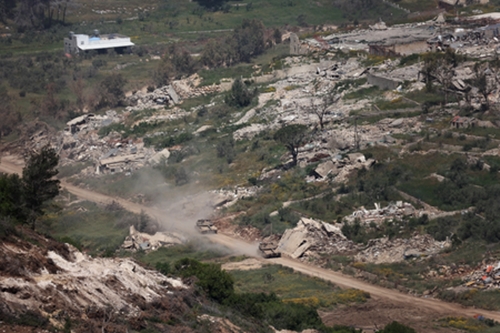
Lebanon is also raising concerns about damage to communities near the border and the impact of continued military activity on local residents.
The talks come after months of heightened tensions between the two sides.
The latest conflict began on March 2 when Hezbollah launched rockets toward Israel, increasing security concerns and triggering a new period of military confrontation.
Since then, cross-border tensions have remained high, with both sides reporting security incidents and military activity.
On April 24, US President Donald Trump announced a three-week extension of the ceasefire between Israel and Lebanon.
The extension was intended to create additional time for diplomatic efforts and reduce the risk of a wider regional conflict.
Trump also suggested the possibility of direct discussions between the two countries as part of broader efforts to support regional stability.
Two days later, on April 26, Israeli Prime Minister Benjamin Netanyahu ordered intensified military operations targeting Hezbollah positions in Lebanon.
Israeli officials said the operations were aimed at preventing further attacks and reducing Hezbollah’s military capabilities.
Since that time, the Israeli military has reported multiple rocket launches originating from Lebanese territory.
Military officials have also stated that operations have targeted Hezbollah infrastructure and sites believed to be linked to the group’s activities.
The renewed diplomatic discussions in Washington are viewed as an important opportunity to lower tensions and reduce the risk of future conflict.
Regional observers note that security concerns, border disputes, and the presence of armed groups remain among the most difficult issues facing negotiators.
Both sides continue to face domestic and regional pressures while attempting to find common ground.
International efforts have focused on maintaining the ceasefire and encouraging dialogue as a way to prevent further escalation.
Although no agreement has yet been announced, officials involved in the talks have continued discussions on possible measures to improve security and stability along the border.
The outcome of the negotiations could play an important role in shaping future relations between Israel and Lebanon and influencing broader regional security efforts.
For now, negotiations remain ongoing as both delegations continue discussions in Washington with the goal of reducing tensions and supporting a more stable future for the region.
