


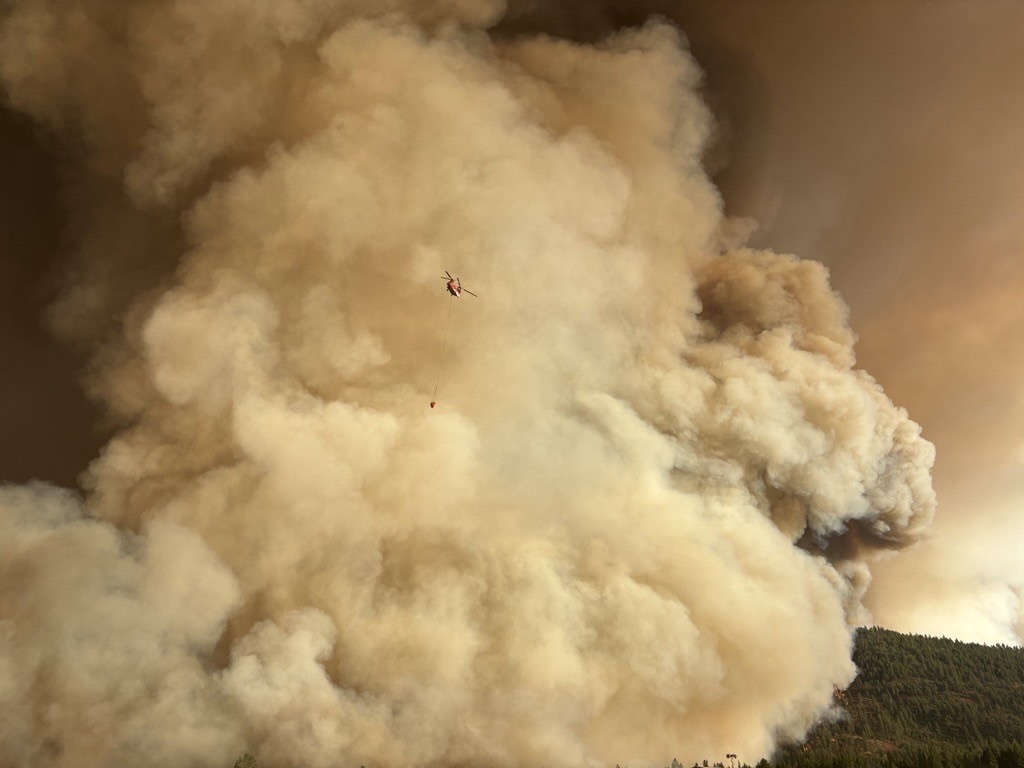
A Washington wildfire warning has been issued as dry, hot and windy conditions threaten to increase the spread of major fires across central and eastern Washington.
The National Weather Service released a rare “Particularly Dangerous Situation” warning for Saturday, August 1. Officials said strong winds, low humidity and high temperatures could create dangerous fire conditions in the region.
The warning is the highest level of fire weather alert issued in the area. Officials said it was created for situations when extreme weather conditions could cause fast fire growth and make firefighting efforts more difficult.
Wind gusts of up to 50 mph are expected in some areas east of the Cascades. Fire officials warned that the strong winds could push flames into new areas and increase risks for nearby communities.
More than 200,000 acres are already burning across 10 major wildfires in Washington. Officials said the current fire season has created major challenges for emergency crews across the state.
Mason Friedman, a smoke and fire meteorologist with the Department of Natural Resources, said these warnings are only used during highly dangerous conditions. He urged residents to take evacuation notices seriously and avoid activities that could accidentally start new fires.
Washington Public Lands Commissioner Dave Upthegrove also warned residents to stay alert. He encouraged people to follow safety guidance and help prevent additional fires during the difficult weather period.
More than 426,000 acres have burned in Washington this season, according to state officials. The total makes this one of the largest wildfire years in the state during the past two decades.
Upthegrove said the fire season has been unusual and has created significant pressure on firefighting teams. He noted that the season is still early, with many weeks of summer weather remaining.
The largest active fire in the state is the Kaiser Canyon Fire near Nespelem in Okanogan County. Officials said the blaze has burned about 130,000 acres and remains one of the biggest challenges for crews.
The state is increasing its firefighting response as conditions become more difficult. Gov. Bob Ferguson approved a request to deploy between 100 and 110 National Guard members with specialized wildfire training.
The National Guard personnel will support firefighting operations at the Little Giant Fire, located about 30 miles northwest of Leavenworth. Their skills will help crews manage the growing wildfire threat.
Federal teams from the U.S. Forest Service and the Bureau of Land Management are also assisting with wildfire response efforts. Officials said multiple agencies are working together to protect communities and control active fires.
The Department of Natural Resources has also moved additional employees from regular duties to help with wildfire operations. Officials said these changes will allow the state to respond faster as conditions change.
As of Friday, more than 1,000 wildfires were burning across Washington. State officials said most fires were small, but 10 major fires had the potential to grow because of the expected weather.
The state is using aircraft and other resources to support firefighting efforts. The Department of Natural Resources and the National Guard have a combined fleet of 35 aircraft available for emergency response.
Washington has also received support from firefighting teams from several U.S. states. Crews from New Zealand and Australia have joined the response as the state works to manage the growing number of fires.
Officials said resources are being used across the state, but teams are facing increasing pressure. The combination of dry conditions, strong winds and active fires has created one of the toughest wildfire periods in recent years.
The Washington wildfire warning highlights the need for caution as weather conditions remain dangerous. Residents are advised to stay informed, follow local emergency updates and avoid actions that could create new fire risks.
Fire officials will continue monitoring weather conditions and adjusting their response plans as the wildfire situation develops.
