


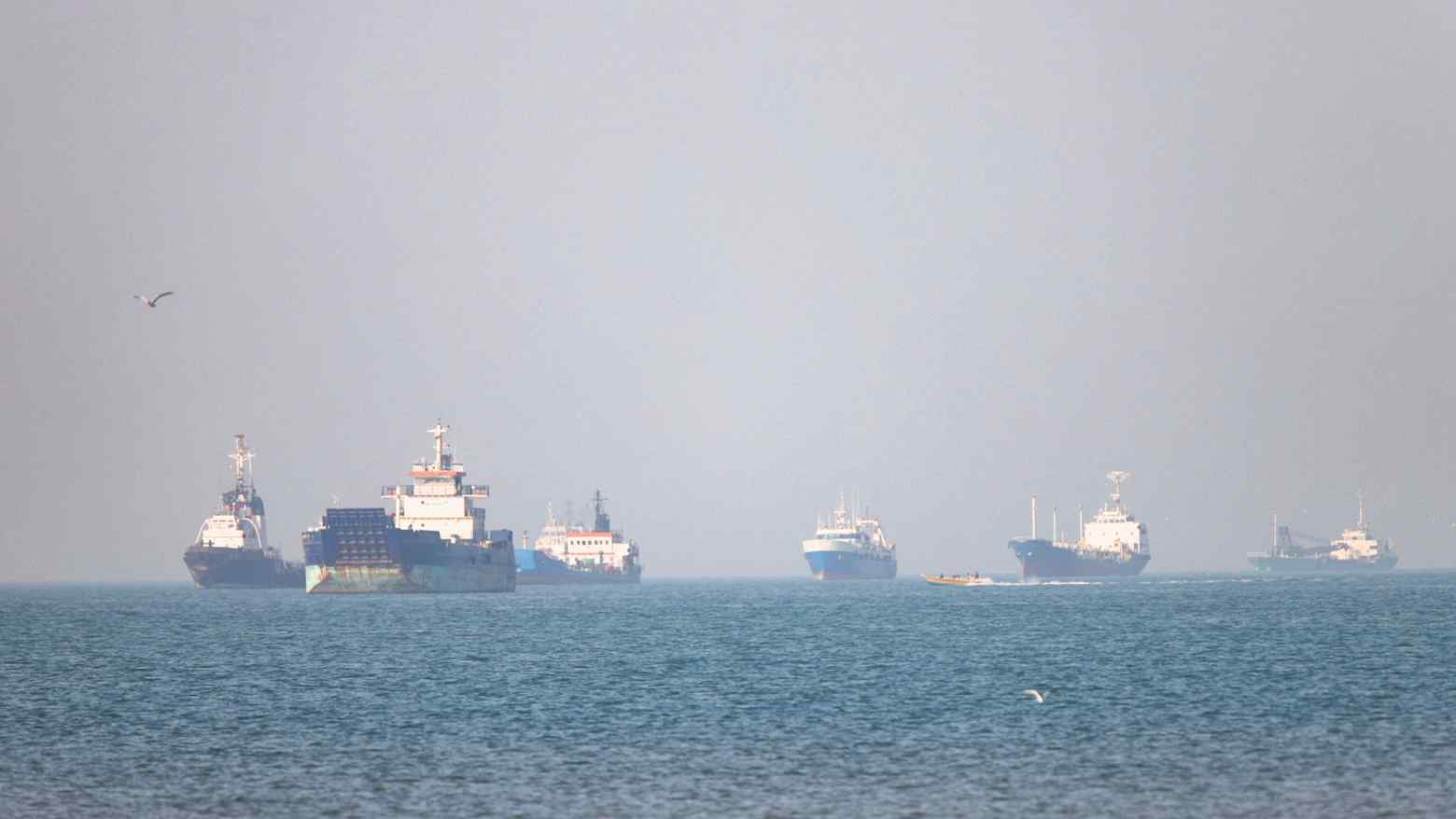
The Hormuz Shipping Pause has become a key development in global maritime tensions, as the United States temporarily halts its effort to reopen one of the world’s most important shipping routes. The decision comes amid ongoing peace talks and rising pressure from multiple countries.
US President Donald Trump announced the pause of a plan known as “Project Freedom.” The operation aimed to secure movement through the Strait of Hormuz, a narrow waterway that carries a large share of the world’s oil trade.
Trump said the decision followed early progress in diplomatic talks. He also noted that the move came after requests from countries including Pakistan and others involved in regional discussions. According to his statement, the pause will remain in place for a short period while negotiations continue.
The Hormuz Shipping Pause does not end US military activity in the region. Trump confirmed that the US Navy will continue its blockade of Iranian ports. However, direct efforts to reopen the shipping lane will be temporarily suspended.
The Strait of Hormuz has become a major flashpoint in recent regional conflict. It is one of the most important energy routes in the world, linking oil producers in the Middle East with global markets. Any disruption in this area quickly affects international fuel prices.
The situation escalated after military tensions increased between the US and Iran. Commercial ships passing through the strait faced security risks, and several incidents involving civilian vessels were reported during the conflict period.
Under the “Project Freedom” operation, US-backed commercial ships had recently begun passing through the strait. However, the effort faced immediate resistance. Iran reportedly responded by targeting commercial vessels and increasing pressure in nearby waters.
The Hormuz Shipping Pause comes just days after the operation began. Officials say the early phase of the mission showed limited progress but also triggered new risks for commercial shipping and regional stability.
The US government has not provided a clear timeline for when the operation may resume. Instead, officials say the focus is now on ongoing negotiations aimed at reducing tensions and reaching a more stable agreement.
Energy markets have already reacted to the uncertainty. Fuel prices in the United States have continued to rise, with averages reaching about $4.53 per gallon on May 5, according to industry tracking data. The increase reflects concerns over supply disruption linked to the Strait of Hormuz.
The Hormuz Shipping Pause highlights the fragile balance between military action and diplomatic talks. While the US continues to apply pressure through naval presence, it is also showing willingness to slow direct intervention to support negotiations.
The decision also reflects wider international involvement. Several countries have expressed concern about escalation in the region, as the strait is vital for global oil transport. Any prolonged disruption could have major economic effects beyond the Middle East.
At the same time, tensions remain high. Iran has not issued an official response to the latest pause, but earlier statements warned against foreign military operations near its waters. Regional allies continue to monitor the situation closely.
For now, the Hormuz Shipping Pause represents a temporary shift in strategy. The focus has moved from direct action to negotiation, but the underlying conflict over control and security of the strait remains unresolved.
The coming days are expected to be critical. If peace talks succeed, shipping activity could stabilize. If not, the situation in the Strait of Hormuz may once again become a major source of global economic and political tension.
