


A group of refugees and other lawfully present immigrants has filed a lawsuit seeking to stop the Trump administration from applying new Medicaid restrictions to certain vulnerable people. The case was filed in federal court in Rhode Island and challenges guidance issued by the Centers for Medicare and Medicaid Services. The plaintiffs argue that the administration’s interpretation of federal law has removed healthcare coverage from people who should remain eligible for the programme. They are asking the court to block the restrictions nationwide.
The legal dispute centres on changes introduced through the One Big Beautiful Bill Act. While the legislation restricted Medicaid eligibility for certain groups of lawfully present immigrants, the plaintiffs argue that Congress preserved eligibility protections for people receiving Supplemental Security Income. This programme provides financial assistance to elderly and disabled people with limited income. The lawsuit claims that federal guidance failed to recognise those protections and instructed states to terminate Medicaid funding for some asylum recipients, refugees and parolees, including people who receive Supplemental Security Income.
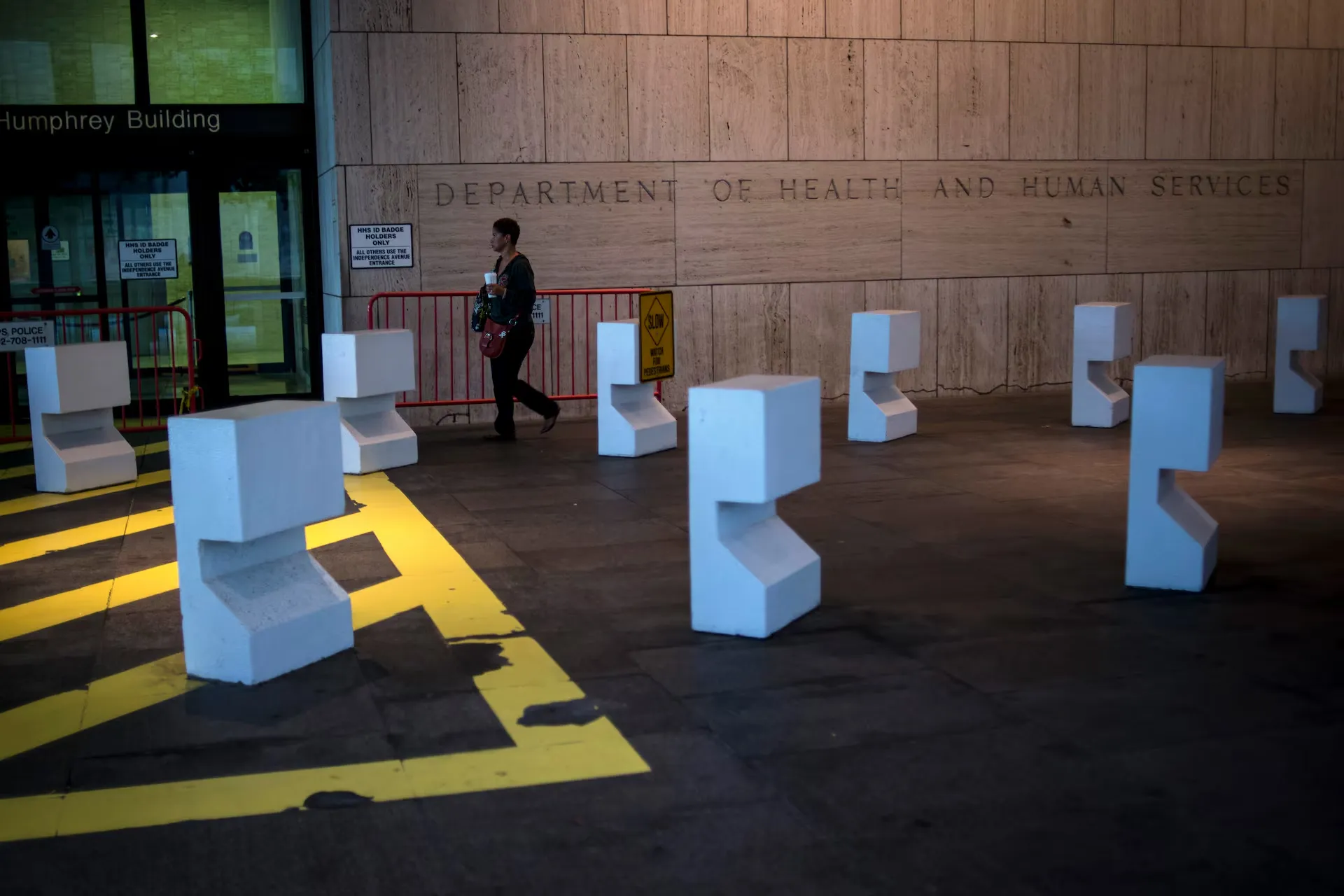
Lawyers representing the plaintiffs say the loss of healthcare coverage has already affected their clients’ ability to receive treatment. They have described people rationing medication, missing medical monitoring and delaying operations because they can no longer afford the care they previously received through Medicaid. The lawyers argue that the government’s guidance is inconsistent with the law and violates the Administrative Procedure Act. The Department of Health and Human Services had not responded to a request for comment at the time of the report.
The lawsuit is seeking a nationwide injunction that would prevent the restrictions from being enforced before states submit their year-end Medicaid plans to federal authorities. A judge in Seattle has already blocked the cuts from being implemented in Washington state, giving the plaintiffs another legal decision to cite in their challenge. The Rhode Island case could have wider consequences if the court agrees that the administration’s guidance conflicts with existing eligibility rules. For now, the legal question remains unresolved, and the outcome could affect healthcare access for thousands of vulnerable people across the country.
