


The United States is facing renewed concern over measles after a series of outbreaks weakened the country’s long-standing record of controlling the highly contagious disease. Health officials have been dealing with infections in several communities, raising questions about vaccination rates, public trust and the ability of national and local authorities to prevent further spread. The situation has become a major public health challenge as officials work to protect children and other vulnerable groups.
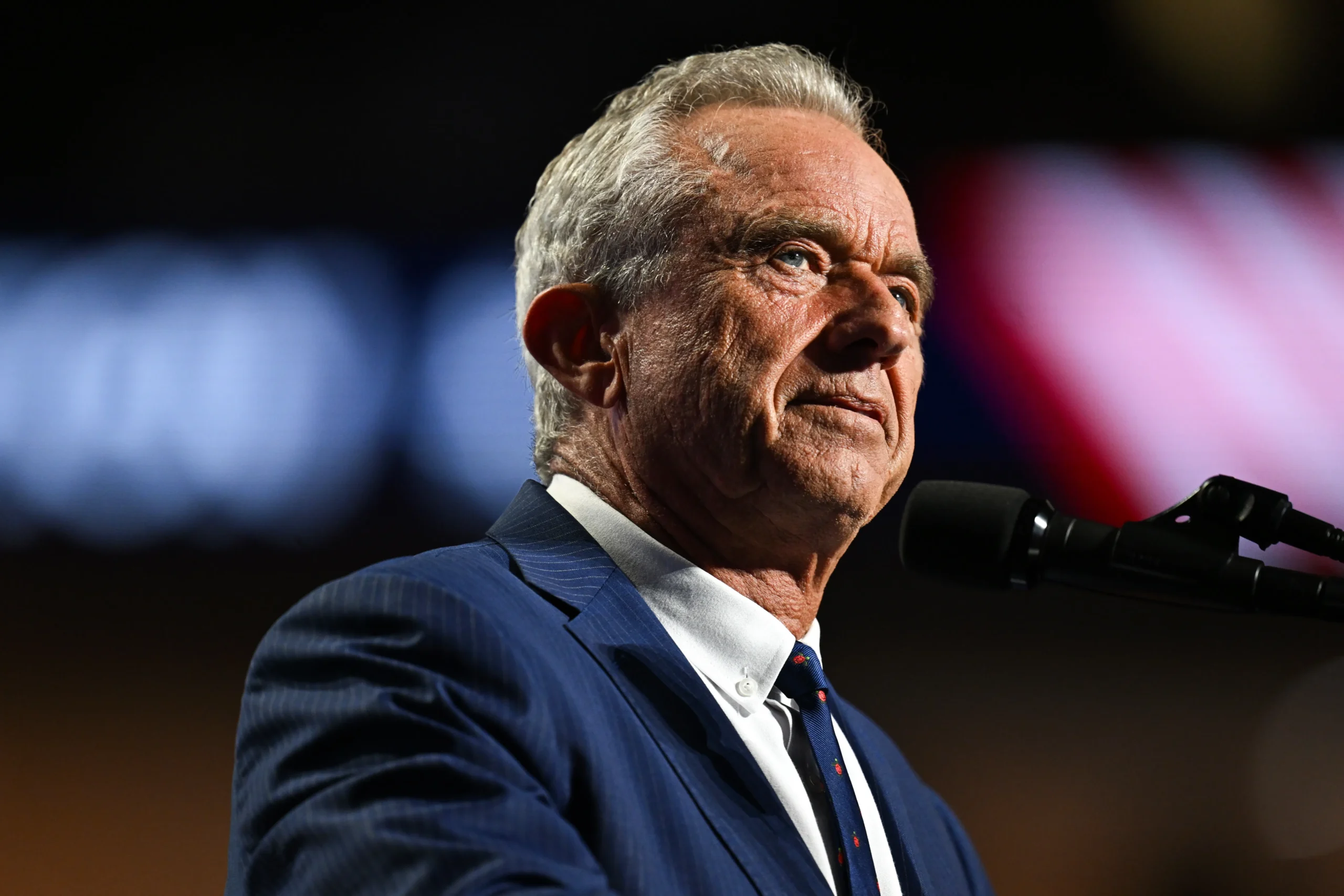
Health Secretary Robert F. Kennedy Jr. has said the administration intends to strengthen its response to the outbreak. His comments come after criticism that federal officials initially underestimated the scale of the problem. Public health experts have warned that measles can spread rapidly when vaccination coverage falls, particularly in communities where large numbers of people have not received the recommended doses.
The outbreak has also renewed debate about the importance of routine childhood vaccination. Measles can cause serious complications, including pneumonia and brain inflammation, and can be especially dangerous for young children. Medical experts say vaccination remains one of the most effective ways to prevent infection and protect communities. They have urged families to consult qualified health professionals and make sure children are up to date with recommended immunisations.
The federal response is being watched closely by doctors, state health departments and public health organisations. Officials must coordinate testing, communication and vaccination efforts while addressing concerns among people who have lost confidence in health institutions. The situation demonstrates how quickly preventable diseases can return when immunisation levels decline. A sustained response will require clear public information, cooperation between government agencies and continued access to vaccination services.
