


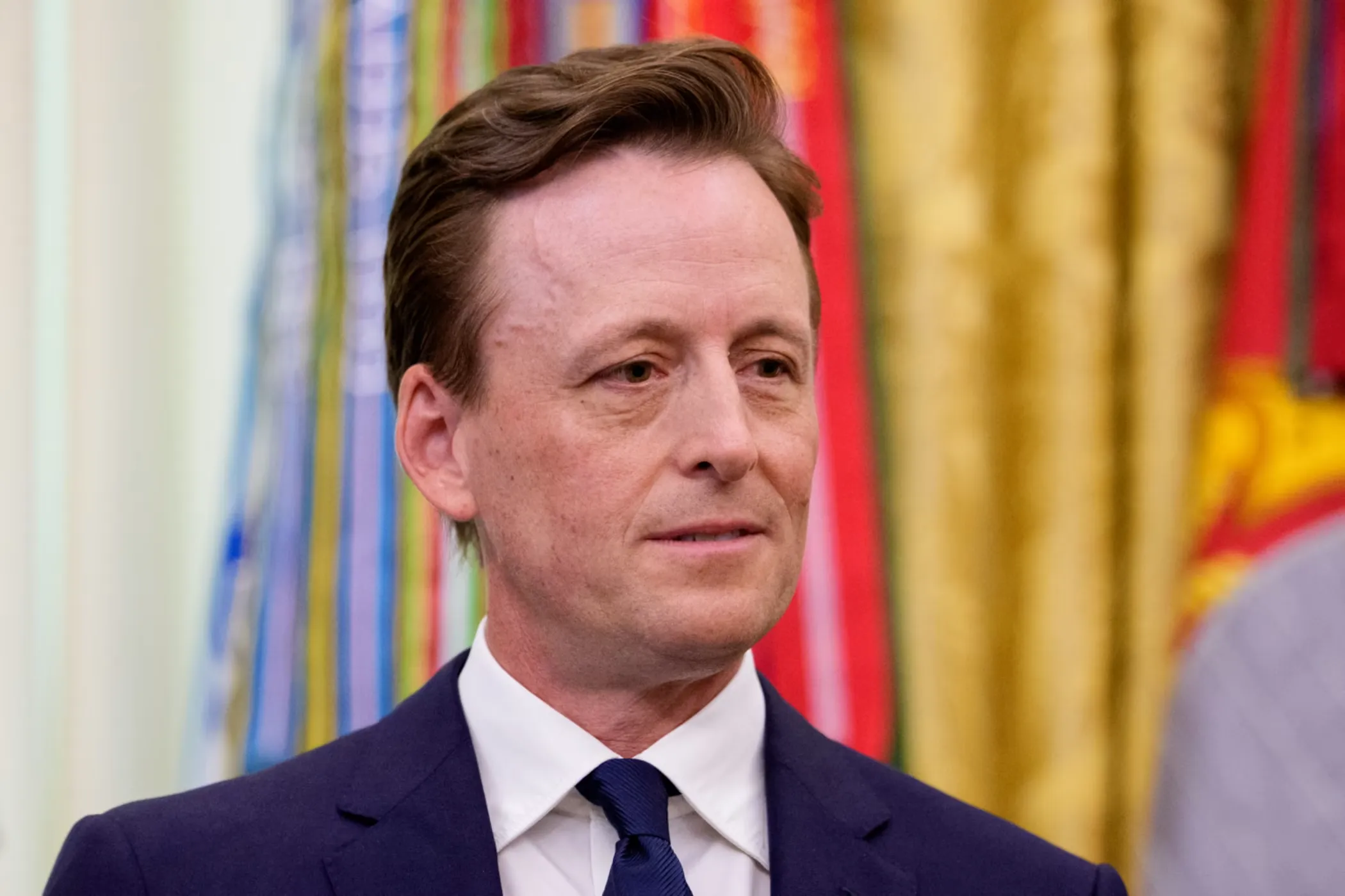
The White House is replacing National Cyber Director Sean Cairncross as the Trump administration faces growing pressure to respond to cybersecurity risks and a series of technology disruptions affecting major American services. Kirsten Davies, currently the chief information officer at the Department of Defense, is expected to take over the role. The change comes during a period of heightened concern about artificial intelligence, software vulnerabilities and the security of systems used by government agencies and private companies. The national cyber director’s office is responsible for coordinating cybersecurity policy across the federal government, making the leadership change an important development for the administration’s technology strategy.
Cairncross had been involved in shaping the administration’s approach to emerging AI-related security threats. His work included coordinating responses to developments involving advanced AI models and helping implement policies intended to give the government greater visibility into powerful systems before they are released. The role has become increasingly important as technology companies develop tools that can identify software weaknesses at a much faster pace than traditional methods. Such capabilities can help security teams find and repair vulnerabilities, but they can also give attackers new ways to discover and exploit weaknesses.
Davies brings experience from both government and the private sector, and her current position at the Defense Department places her within the federal technology and security system. Her expected appointment comes as the administration faces questions about whether existing cybersecurity structures are prepared for the speed of modern threats. Recent technology disruptions have affected services used by banks, airlines, government offices and major technology companies. Officials have not established that the incidents were connected or caused by a coordinated cyberattack, but the events have intensified debate about the reliability of essential digital infrastructure.
The leadership change also comes amid wider disagreements about the balance between technology development and government oversight. Some officials and security specialists want stronger coordination between federal agencies and private companies, while others are concerned that excessive regulation could slow innovation. The administration is also facing questions about cybersecurity budgets and staffing at key agencies. Davies will be expected to help coordinate policy at a time when artificial intelligence is changing both the scale and speed of cyber risks. Her work could influence how the United States protects public services, financial systems and critical infrastructure as the use of advanced AI continues to expand.
