


Japan is intensifying its efforts to stabilize the yen through a coordinated approach involving domestic monetary policy and support from the United States, as authorities attempt to slow the currency’s prolonged decline.
The strategy centers on aligning the Bank of Japan with the Ministry of Finance and securing tacit backing from Washington, creating a more unified front against speculative pressure on the currency.
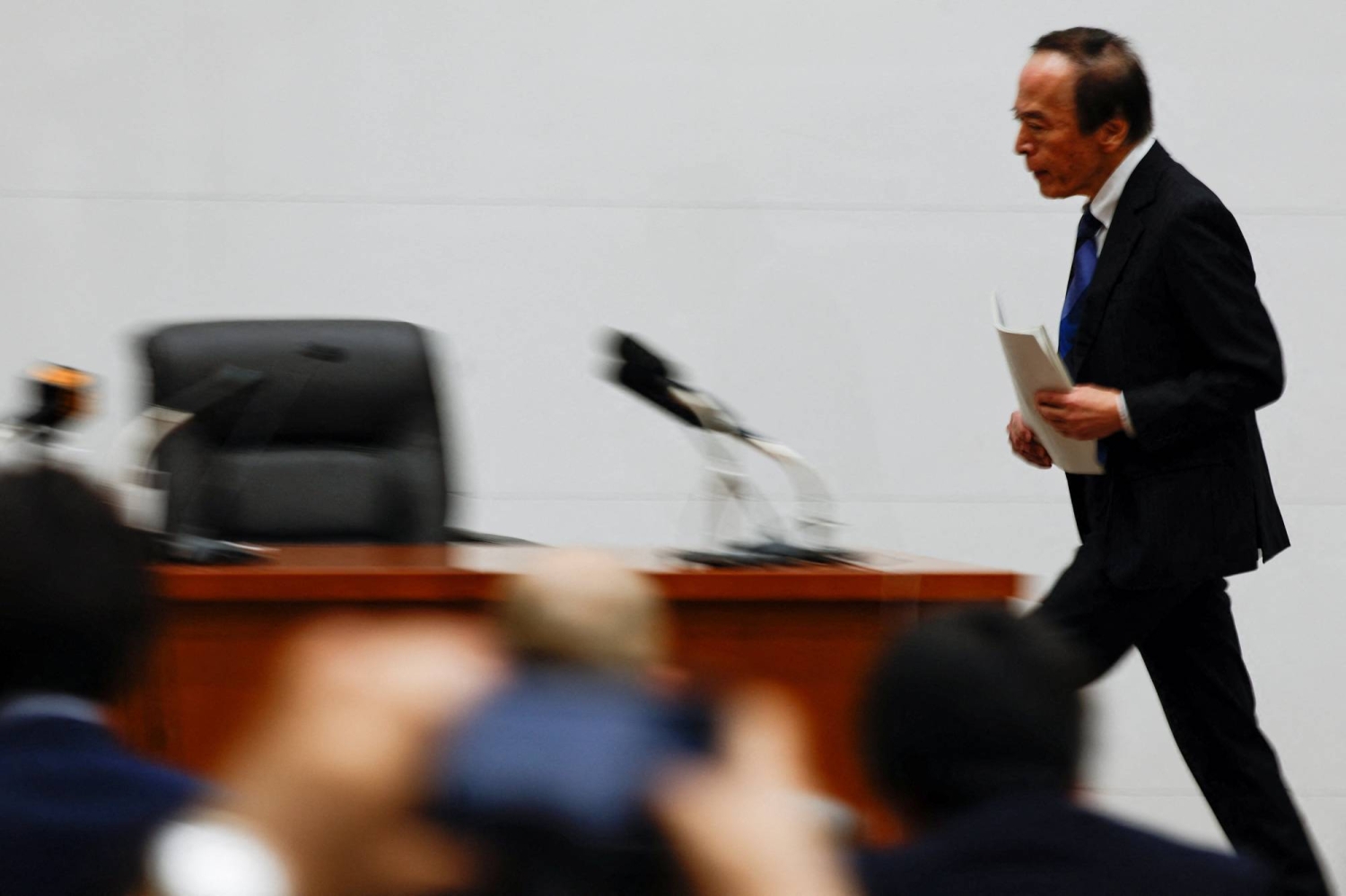
Recent comments from Bank of Japan Governor Kazuo Ueda signaled a more cautious but slightly tighter monetary stance, which markets interpreted as a shift toward a more hawkish direction compared to earlier policy expectations.
This shift has coincided with renewed currency intervention efforts by Japan’s finance authorities, aimed at buying yen in foreign exchange markets to counter rapid depreciation.
Officials from the Ministry of Finance have reportedly carried out multiple rounds of yen-buying operations in recent months, spending large sums in an effort to stabilize the currency and discourage aggressive short-selling by traders.
The broader approach reflects growing concern in Tokyo over the economic impact of a weak yen, including higher import costs and pressure on household living standards.
A key external factor in Japan’s strategy is the role of US Treasury engagement. Officials are closely watching signals from US Treasury Secretary Scott Bessent, whose comments and meetings with Japanese counterparts are seen as potentially influential in shaping market expectations.
Japanese policymakers believe that even indirect US acknowledgment of Japan’s intervention efforts could strengthen their impact in currency markets by discouraging speculative bets against the yen.
Bessent has previously been linked to discussions on global currency stability and has in the past supported tighter monetary policy in Japan as a way to stabilize exchange rate pressures.
During his upcoming visit to Japan, he is expected to meet senior officials, including finance and economic policymakers, in discussions that could influence market sentiment even without formal policy commitments.
At the same time, the Bank of Japan’s policy direction remains central to the overall strategy. Markets are closely watching signals ahead of the upcoming policy meeting, where interest rate decisions are expected to be a key focus.
Any move toward higher interest rates would mark a significant shift in Japan’s long-standing ultra-loose monetary policy, which has been a major factor in recent yen weakness.
Senior BOJ officials are scheduled to give speeches ahead of the meeting, and investors are looking for hints that further tightening could be on the table if inflationary pressures persist.
The policy debate comes amid internal differences within the central bank, with some board members previously supporting rate hikes while others prefer maintaining current levels to support economic recovery.
Political factors also complicate the outlook. Prime Minister Sanae Takaichi is seen as cautious about rapid monetary tightening, balancing concerns over inflation with the need to support economic stability.
Analysts say Japan’s currency challenge is not only driven by policy but also by structural economic pressures, including rising import costs and energy dependency, which continue to weigh on the trade balance.
Global factors such as geopolitical tensions and energy price volatility have added further pressure, making it more difficult for Japan to achieve a sustained currency recovery through domestic policy alone.
Despite these challenges, officials believe that coordinated action between monetary policy, fiscal intervention, and international engagement can help reduce volatility and slow speculative attacks on the yen.
Market experts note that while intervention may not reverse long-term currency trends, it can reduce momentum and prevent sudden disorderly declines.
The current strategy reflects Japan’s attempt to manage currency stability through a combination of domestic policy adjustments and international coordination rather than relying on a single policy tool.
As global financial conditions remain uncertain, Japan’s approach highlights the increasing importance of policy alignment between major economies in managing exchange rate pressures.
