


The United States is reportedly preparing a possible criminal indictment against former Cuban leader Raúl Castro over a decades-old case involving the shooting down of two civilian aircraft in 1996.
According to US media reports, officials at the Department of Justice are considering charges related to the incident, which resulted in the deaths of four people. The case is expected to go before a grand jury before any formal indictment is approved.
The move comes as US-Cuba relations remain highly strained, with Washington continuing a pressure campaign that includes sanctions and restrictions targeting the Cuban government.
Castro, now 94, stepped down from leadership roles in 2021 after decades at the center of Cuban politics. He led the country for 15 years following the rule of his brother, Fidel Castro, and remained a key figure in Cuba’s military and political structure for much of his life.
The alleged case under review centers on the 1996 downing of two small aircraft operated by the exile group Brothers to the Rescue. The group was known for searching for migrants at sea and had previously flown near Cuban airspace.
US officials say the aircraft were shot down while flying over international waters. However, Cuban authorities have long argued that the planes violated Cuban airspace multiple times before the incident.
The potential indictment is part of a wider US strategy aimed at increasing pressure on Havana. Washington has recently tightened economic restrictions and fuel-related measures that have worsened Cuba’s ongoing energy shortages.
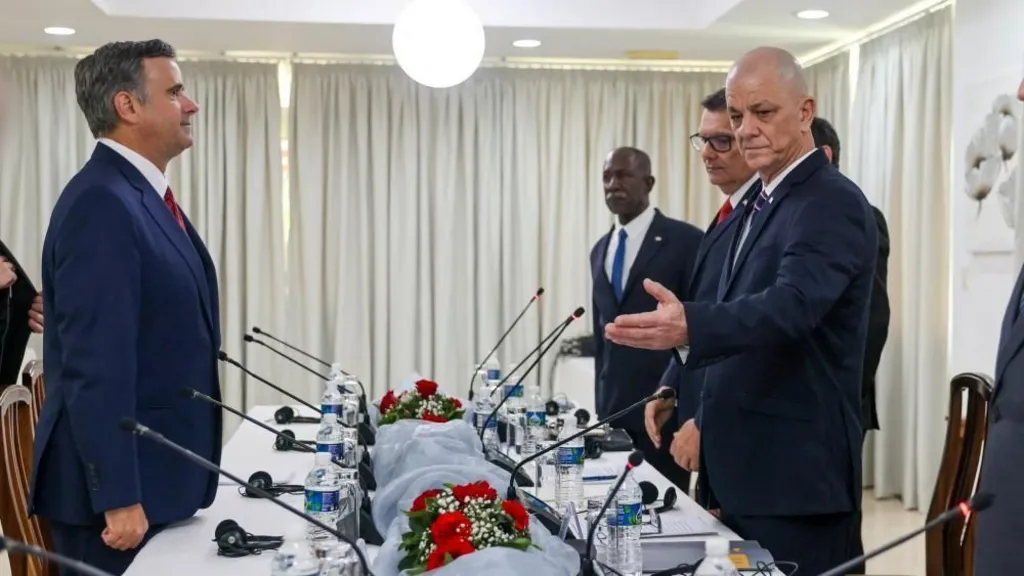
The political timing of the reported indictment has also drawn attention. The development surfaced while US intelligence officials were in Havana for meetings with Cuban representatives, signaling a rare moment of limited diplomatic engagement alongside rising legal pressure.
US President Donald Trump was asked about the reported case and declined to comment directly, saying the Department of Justice would handle the matter.
He also described Cuba as a country in decline and repeated long-standing US criticism of its political system and economic situation.
Cuba’s government has not officially responded to the reports of a possible indictment. However, Cuban Foreign Minister Bruno Rodríguez has previously rejected US pressure campaigns, insisting that Cuba will continue to follow its own political path despite sanctions and external pressure.
Legal experts say any indictment would require approval from a US grand jury, which would need to find sufficient evidence to proceed with charges. It remains unclear what specific legal arguments prosecutors may use given the age of the case and its international dimensions.
The case has also gained renewed attention in Florida, where officials have previously reopened investigations linked to the 1996 incident. Some US political leaders in the state have publicly supported the idea of criminal accountability.
Supporters of the move argue that the victims of the aircraft incident deserve justice, while critics say reopening such an old case risks further escalating tensions between the United States and Cuba.
Relations between the two countries have remained tense for decades, shaped by sanctions, political disagreements, and competing narratives over past incidents. The current US policy continues to emphasize economic pressure combined with calls for political change in Havana.
The reported involvement of US intelligence officials in Havana adds another layer of complexity. The CIA director recently met Cuban officials in what has been described as limited dialogue focused on security and migration issues.
Despite this engagement, US officials have made clear that broader cooperation would require major political and economic reforms from Cuba.
Analysts say the potential indictment could be interpreted as both a legal and political message. It signals that Washington is willing to revisit long-standing disputes while maintaining pressure on Cuba’s leadership.
The development also raises questions about regional stability. Any escalation between the US and Cuba could have broader consequences, including migration pressures and diplomatic fallout across Latin America.
For now, the situation remains uncertain, with no formal charges filed and no official confirmation from US authorities. The next steps depend on whether prosecutors move forward and whether a grand jury approves the case.
If the indictment proceeds, it would mark one of the most significant legal actions against a former Cuban leader in modern US history, further deepening tensions between Washington and Havana.
