


Texas has become one of the most important states in the race toward the midterm elections. With early voting drawing near, both Republicans and Democrats are increasing their efforts to win over voters in several key contests.
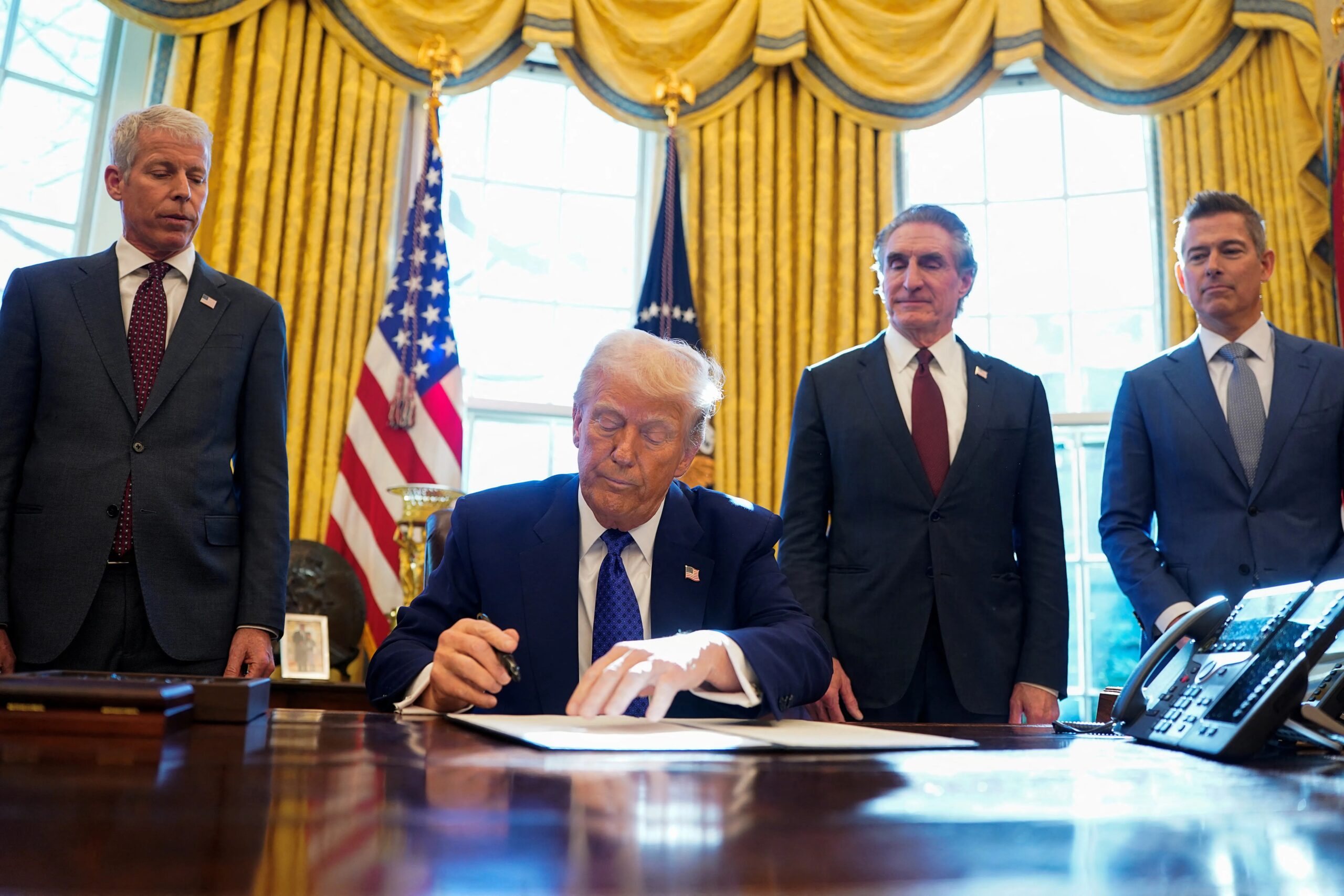
President Donald Trump returned to Texas this week for his second visit in a matter of days. His appearance highlighted the growing importance of the state as campaigns enter their final stretch.
Trump held a rally in San Antonio to support Attorney General Ken Paxton and congressional candidate Carlos De La Cruz. The event was designed to boost Republican turnout and strengthen support among party voters.
The visit comes at a time when several Texas races are proving more competitive than expected.
Paxton remains engaged in a hard-fought contest against Democratic challenger James Talarico. The race has attracted significant attention and large amounts of campaign spending from both sides.
Political observers say the outcome could serve as a measure of voter sentiment in a state that has long been considered a Republican stronghold.
De La Cruz is also facing a close race in Texas’ 35th Congressional District. Although the district was redrawn to favor Republicans, Democrats have remained competitive and continue to target the seat.
Republican leaders believe Trump’s presence can help increase enthusiasm among supporters. Large campaign rallies remain a key part of the party’s strategy as Election Day approaches.
Trump continues to enjoy strong support among many Republican voters. His endorsements and campaign appearances often play a major role in local and statewide races.
One Republican leader who did not attend the rally was Governor Greg Abbott.
Abbott cited scheduling conflicts and said he had previous commitments that prevented him from appearing alongside the president. He nevertheless praised Trump’s ability to energize the Republican base.
The governor is facing a more difficult re-election campaign than many expected earlier in the year.
Abbott won his previous gubernatorial elections by comfortable margins. This time, however, Democrats believe changing political conditions have made the race more competitive.
That belief has led to increased pressure on national Democratic organizations to invest more resources in Texas.
A coalition of Latino leaders and elected officials recently called for additional financial support for Democratic gubernatorial candidate Gina Hinojosa.
The group argued that stronger investment could improve Democratic efforts before early voting begins.
Supporters say the race remains challenging because of the large financial advantage held by Abbott. Even so, recent donations from national Democratic figures have provided momentum to Hinojosa’s campaign.
The battle over funding reflects broader concerns about the national political environment.
Across the country, both parties are adjusting their strategies as several races become tighter than expected. Candidates are focusing heavily on economic issues, public concerns and voter turnout.
Some Republican candidates have also sought to separate themselves from Trump on certain policy questions.
In Michigan, Senate candidate Mike Rogers recently voiced opposition to ongoing tariff disputes. Other Republican candidates have expressed different views on foreign policy and international conflicts.
These differences highlight the balancing act facing many candidates. They must appeal to local voters while maintaining support from their party’s base.
Debates across several states have also drawn attention.
Candidates in Maine, Georgia and Iowa recently clashed over issues such as the economy, abortion rights and leadership. Those discussions reflected the concerns that continue to shape the election season.
At the same time, global events remain part of the political conversation.
The third anniversary of the October 7 attack on Israel has renewed attention on the conflict in the Middle East. The attack reshaped regional politics and continues to influence international relations.
Questions about security, diplomacy and humanitarian conditions remain central to discussions surrounding the conflict. Efforts to secure long-term peace have faced repeated obstacles.
The situation has also become an issue in American politics, with candidates discussing foreign policy and national security during campaign events and debates.
As the midterm elections draw closer, every campaign is looking for an advantage.
Texas has emerged as a major political battleground where national attention, campaign spending and voter outreach efforts continue to grow. The state is expected to play a significant role in shaping the broader election results.
With early voting only weeks away, candidates from both parties are working to strengthen support and reach undecided voters. The outcome of these contests could influence the political landscape long after Election Day.
