


US Iran agreement details have been revealed after a 14 point Memorandum of Understanding was signed to extend a ceasefire between the two countries. The deal, confirmed by a White House official, is now in effect and sets out a framework aimed at ending months of conflict and stabilizing the region.
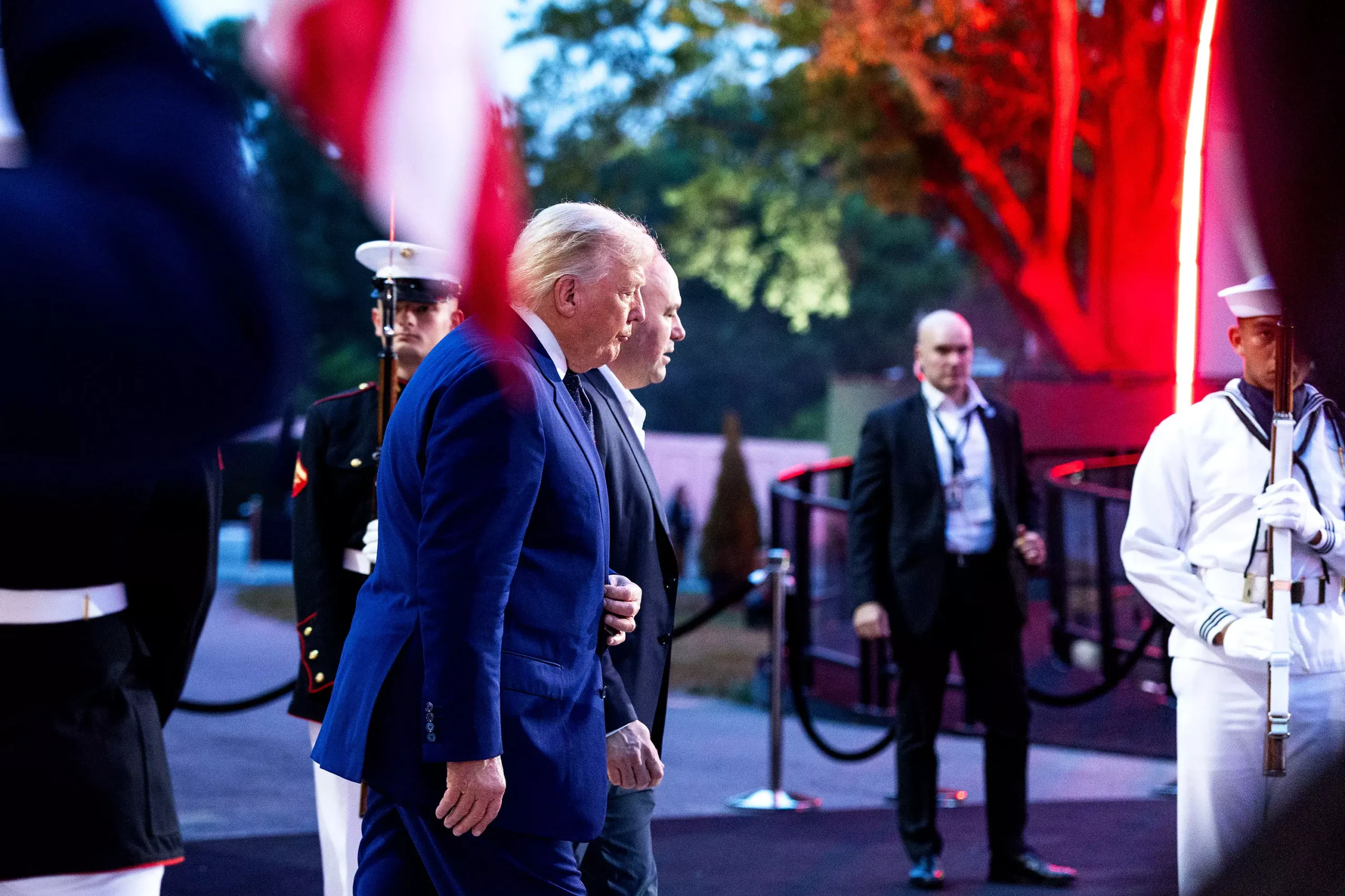
Donald Trump formally signed the agreement while attending the G7 summit in Evian-les-Bains, France. The document was also signed by Iranian President Masoud Pezeshkian, according to US officials. The agreement is described as “performance based,” meaning benefits depend on Iran meeting its commitments.
A central element of the US Iran agreement is an immediate and permanent end to military operations between the United States, Iran, and their allies across all fronts. This includes commitments related to Lebanon, where both sides have pledged to avoid further escalation. The agreement also states that neither side will initiate attacks or threaten each other going forward.
The framework emphasizes respect for sovereignty and territorial integrity, with both countries agreeing not to interfere in each other’s internal affairs. However, this clause is expected to face criticism from Iranian opposition groups, who argue it may limit external support for domestic movements.
The agreement sets a 60 day timeline for negotiations toward a final deal. This period may be extended if both sides agree. Officials say this negotiation phase is intended to resolve remaining unresolved issues and convert the memorandum into a long term binding agreement.
One of the most important components involves the Strait of Hormuz, a critical global shipping route. Under the agreement, Iran will ensure safe passage for commercial vessels. The US will begin lifting its naval blockade and removing restrictions on Iranian ports within 30 days, allowing maritime traffic to resume gradually as technical and security issues are addressed.
The reopening of the Strait of Hormuz is expected to have major global economic implications. The waterway is essential for global oil shipments, and disruptions in recent months had contributed to sharp increases in energy prices and supply chain instability.
The agreement also outlines a large economic reconstruction plan for Iran valued at around 300 billion US dollars. The funding would be developed with regional partners, but the United States would not be required to contribute financially. Instead, Washington would approve and support economic projects carried out by third party countries.
Donald Trump administration has also committed to ending economic sanctions against Iran. However, the timeline for lifting sanctions is not fully defined and will depend on progress in follow up negotiations and Iranian compliance with agreed terms.
A key condition of the deal is Iran’s commitment not to develop or acquire nuclear weapons. The agreement also addresses Iran’s enriched uranium stockpile, although the exact method for handling it remains to be finalized. International oversight, including monitoring by the International Atomic Energy Agency, is expected to play a role.
In the meantime, both sides have agreed to maintain a temporary status quo on Iran’s nuclear program. This includes avoiding new sanctions while allowing limited economic activity such as oil exports and financial transactions under specific conditions.
The agreement also addresses frozen Iranian assets. Some funds are expected to be released as negotiations continue, with further access tied to Iran’s compliance with the terms of the deal.
To ensure implementation, the US and Iran will establish a monitoring mechanism. This system will track compliance and guide the transition from the memorandum to a final agreement. The deal also states that any final agreement would be endorsed by a United Nations Security Council resolution.
While the US Iran agreement marks a major diplomatic step, several key issues remain unresolved, including enforcement details, nuclear material management, and long term security arrangements. Officials say further negotiations over the next 60 days will determine whether the framework can evolve into a permanent peace deal.
