


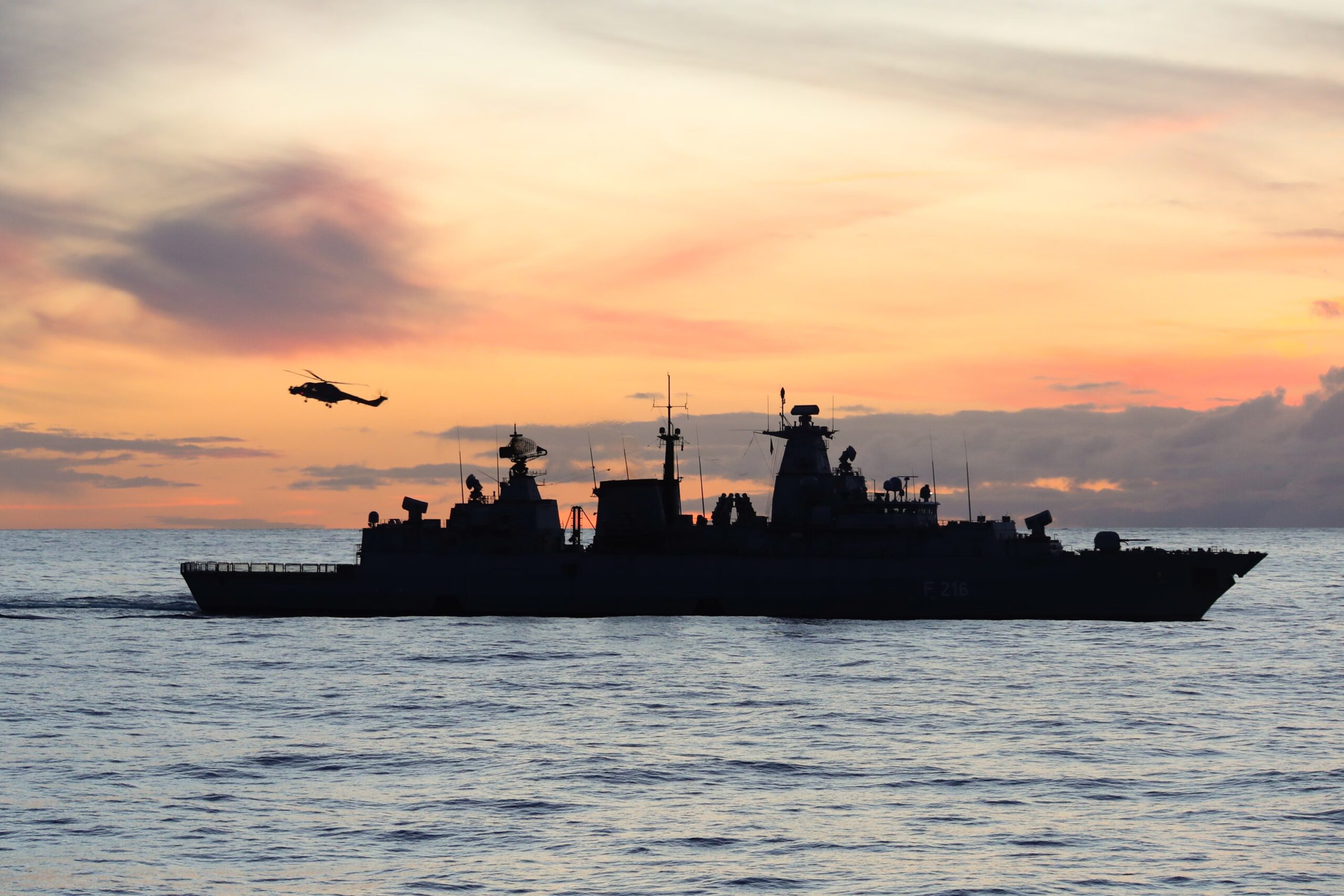
A new round of military action between the United States and Iran has increased tensions across the Middle East and raised fresh concerns about the security of global shipping routes. The latest confrontation unfolded on Saturday after U.S. forces targeted three Iranian crude oil carriers following missile launches aimed at American naval vessels.
According to the U.S. military, Iranian forces fired ballistic missiles toward two Navy warships operating in regional waters. American officials said the vessels successfully avoided the incoming attacks and continued their missions without damage or casualties.
Soon after the missile launches, U.S. forces carried out strikes against three Iranian oil carriers. Military officials said the vessels were linked to a network that generates revenue for Iran’s military operations and regional allies. Two of the tankers were reportedly disabled near Iran’s coastline, while a third vessel outside the Persian Gulf was destroyed after multiple strikes.
American defense leaders described the operation as a direct response to the attacks on U.S. ships. Officials stated that the action was intended to increase the economic cost for Iran and discourage future attacks against American military assets in the region.
The exchange marks another sharp escalation in the long-running dispute between Washington and Tehran. The two sides had already traded military strikes earlier this week, ending a period of relative calm that had lasted for several weeks. Security analysts now warn that the latest actions could trigger another cycle of retaliation.
The Persian Gulf remains one of the world’s most important energy corridors. The region is home to critical shipping lanes that transport large volumes of crude oil and other goods to international markets. Any disruption to those routes has the potential to affect energy supplies and increase uncertainty in global markets.
Iran strongly condemned the U.S. strikes. The country’s foreign affairs ministry called the attacks illegal and accused Washington of threatening international peace and maritime security. Officials argued that targeting commercial vessels violated international law and created new risks for shipping activity in the region.
Iranian authorities also warned that any attack on the country’s assets would receive a strong response. State media reported that government officials viewed the U.S. operation as a serious escalation that could further destabilize the region.
Earlier on Saturday, Iranian news outlets reported that a tanker near Kharg Island had been struck by projectiles fired by U.S. forces. Reports indicated that the vessel was hit multiple times, although no casualties were reported among crew members.
Audio recordings later circulated showing what appeared to be warnings issued by a U.S. military aircraft before one of the strikes. In the communications, crew members aboard a tanker were instructed to move away from specific sections of the vessel. Additional warnings reportedly advised personnel to evacuate and use lifeboats before military action began.
The incident highlights the growing importance of maritime operations in the confrontation between the two countries. Rather than focusing solely on military installations, both sides are increasingly targeting assets connected to shipping, transportation, and energy production.
Experts say the situation is especially significant because of the Strait of Hormuz, the narrow waterway that links the Persian Gulf to global markets. A large percentage of the world’s oil exports passes through the strait each day. Any military activity in or near the route can affect shipping companies, energy producers, and international trade.
Market observers are closely monitoring developments. Prolonged instability could increase transportation costs, raise insurance premiums for vessels, and create concerns about future energy supplies. Even short-term disruptions can have effects beyond the Middle East because of the region’s role in global commerce.
Governments across the world are watching the situation carefully. Many hope that diplomatic channels can prevent further escalation. However, continued military exchanges have raised doubts about whether tensions will ease in the near future.
As both countries exchange warnings and accusations, uncertainty continues to grow. The latest strikes have added another chapter to a conflict that increasingly extends beyond military targets and into vital commercial shipping networks.
With international attention focused on the Persian Gulf, the coming days will be critical. Any further action by either side could influence regional stability, global trade flows, and the security of one of the world’s most important maritime routes.
