


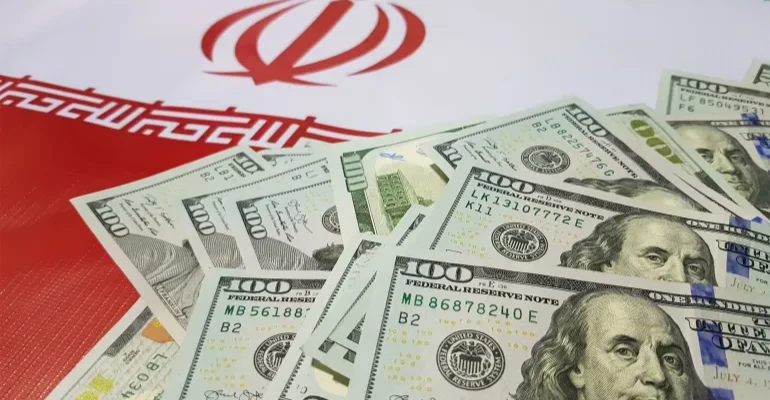
The United States is reportedly exploring whether frozen Iranian funds could be used to support reconstruction efforts in Gulf countries affected by regional conflicts, according to a Reuters report. The idea adds a new financial dimension to already fragile negotiations between Washington and Tehran.
The proposal suggests that restricted Iranian assets could be redirected toward repairing damage in allied Gulf states allegedly impacted by Iranian-linked attacks. Officials are also assessing whether the same funds could be used for broader compensation mechanisms in the future.
US Treasury Secretary Scott Bessent has instructed agencies to evaluate the extent of damage in several regional countries. The assessment is expected to guide any potential financial response linked to reconstruction or recovery efforts.
The discussion remains at an early stage and no final decision has been made. However, the idea reflects growing efforts within Washington to connect financial pressure on Iran with regional security and reconstruction needs.
At the same time, Iran continues to demand access to its frozen overseas assets as part of any preliminary agreement with the United States. Senior Iranian officials have repeatedly said that sanctions relief and asset release are central conditions for progress in negotiations.
Iranian Deputy Foreign Minister Kazem Gharibabadi said that at least half of Iran’s frozen assets should be released immediately under any potential agreement framework. His comments underline Tehran’s firm position on financial concessions.
Separately, Iranian adviser Mohsen Rezaei stated in an interview that any agreement with Washington would depend on the release of around $24 billion in frozen Iranian funds. This highlights how central the issue of blocked assets has become in diplomatic talks.
The dispute over frozen assets remains one of the key obstacles in ongoing negotiations between the two countries. Both sides continue to disagree on sanctions relief, financial access, and broader security arrangements.
Alongside financial tensions, regional military and political issues are also shaping the talks. Tehran has linked wider de-escalation efforts to developments involving conflicts in neighboring countries, including ongoing violence in Lebanon.
Washington, meanwhile, is pushing for changes to draft agreements involving strategic concerns such as the Strait of Hormuz, a critical global oil route. The United States has also raised concerns about Iran’s stockpile of highly enriched uranium.
These unresolved issues have delayed progress toward a final agreement, despite ongoing diplomatic engagement. Both sides continue to hold indirect discussions aimed at reducing tensions and preventing further escalation.
The idea of using frozen Iranian assets for reconstruction could further complicate negotiations. While it may be seen as a way to support affected allies, it also raises legal and political questions about ownership and compensation.
Analysts say the proposal highlights how financial tools are increasingly being used as part of broader geopolitical strategy. It also shows how economic pressure and diplomacy are becoming tightly linked in the U.S.-Iran standoff.
For now, the plan remains under review, and officials have not confirmed whether it will move forward. However, it adds another layer of complexity to an already sensitive set of negotiations involving sanctions, security concerns, and regional stability.
