


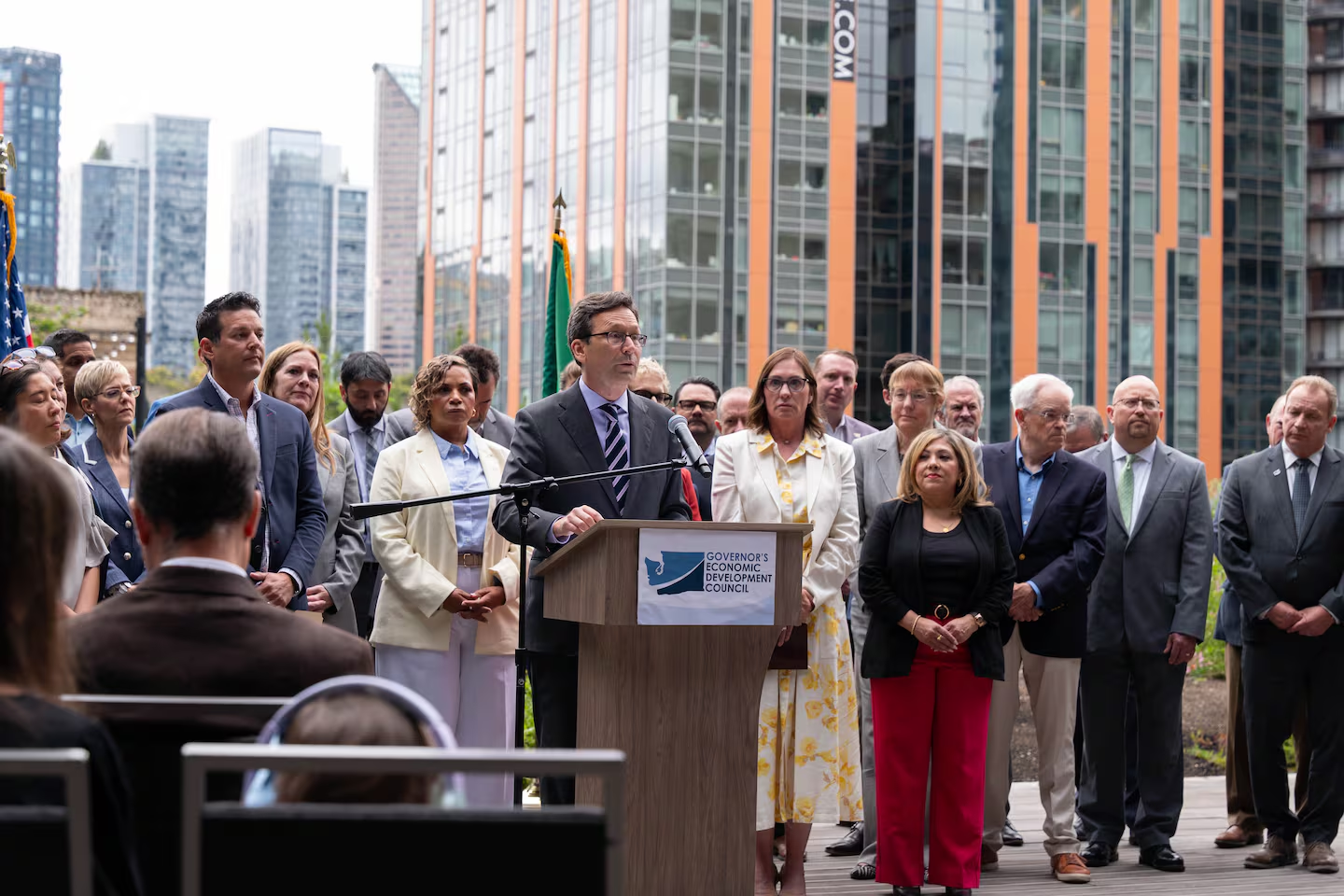
Washington Governor Bob Ferguson has created a new economic development council as the state faces slower job growth, rising unemployment, business concerns, and growing pressure on its finances. The new panel will help develop a long-term strategy to improve the economy, create jobs, and attract more companies to invest in Washington.
The Governor’s Economic Development Council was established through an executive order signed on Thursday. The council will include 26 members from major businesses, labor organizations, utilities, and state leadership. Its main task is to prepare a statewide economic development plan by June next year.
State leaders say Washington continues to have a strong economy in many areas. However, officials also recognize that several challenges are affecting growth. Job creation has slowed, unemployment remains higher than the national average, and layoffs in the technology sector have increased. Some companies have also started expanding operations outside Washington instead of investing within the state.
Recent business decisions have increased concerns about the state’s economic competitiveness. Some companies have announced major investments in other states, raising questions about whether Washington’s business climate remains attractive for future growth.
The new council will examine ways to encourage more companies to choose Washington for expansion. Members will also identify state regulations that may slow business growth and recommend changes that could improve the investment climate.
Governor Ferguson said the council will provide honest discussions about the state’s economy and possible solutions. He plans to attend every quarterly meeting and believes Washington has not organized a similar statewide economic advisory group for nearly two decades.
While highlighting the state’s strengths, Ferguson acknowledged that many residents continue to face economic challenges. He said too many people remain unemployed, and the high cost of living has made the state less affordable for many families. He added that Washington cannot depend only on its past economic success and must prepare for future competition.
The council will also compare Washington’s economy with other states and recommend strategies to increase employment, encourage investment, and improve long-term economic growth.
The advisory panel includes executives from several large employers, including Microsoft, Boeing, and Puget Sound Energy. Representatives from labor organizations and the construction industry will also participate. Lieutenant Governor Denny Heck is the only elected state official serving on the council besides the governor.
The announcement comes after lawmakers approved tax increases and spending reductions during recent legislative sessions to address state budget deficits. Officials expect another multibillion-dollar budget gap could appear in 2027, creating additional financial pressure on state government.
Credit rating agencies have also expressed concern about Washington’s financial outlook. They recently warned that the state has relied on temporary budget measures to balance spending, raising questions about long-term fiscal stability.
Many business organizations have welcomed the creation of the council while saying more action will be needed. Business leaders have repeatedly argued that higher taxes, changing regulations, and rising operating costs have made it more difficult for companies to expand in Washington.
Recent business surveys found that taxes remain one of the biggest concerns for employers. Many respondents also expressed concern about the possibility of an economic slowdown over the next year. Business groups say greater policy stability would help companies make long-term investment decisions.
Some business executives believe the council offers an opportunity to improve communication between government and the private sector. They hope the discussions will lead to more predictable policies and reduce uncertainty for employers and workers.
Not everyone supports the governor’s approach. Some critics argue that the state already knows how to improve economic growth by reducing regulations, lowering taxes, and making it easier to build homes and businesses. They believe creating another advisory panel will not solve the state’s economic challenges unless lawmakers adopt major policy changes.
Looking ahead, Washington officials are preparing for the next state budget cycle. Governor Ferguson has said he does not expect to propose new taxes in his upcoming budget plan. Instead, he plans to focus on spending reductions, especially in programs created during recent years, while protecting the state’s strong credit rating.
The Washington Economic Council will play an important role in shaping future economic policy. Its recommendations are expected to help state leaders improve job growth, strengthen business confidence, attract new investment, and build a more competitive economy while addressing Washington’s long-term budget challenges.
