


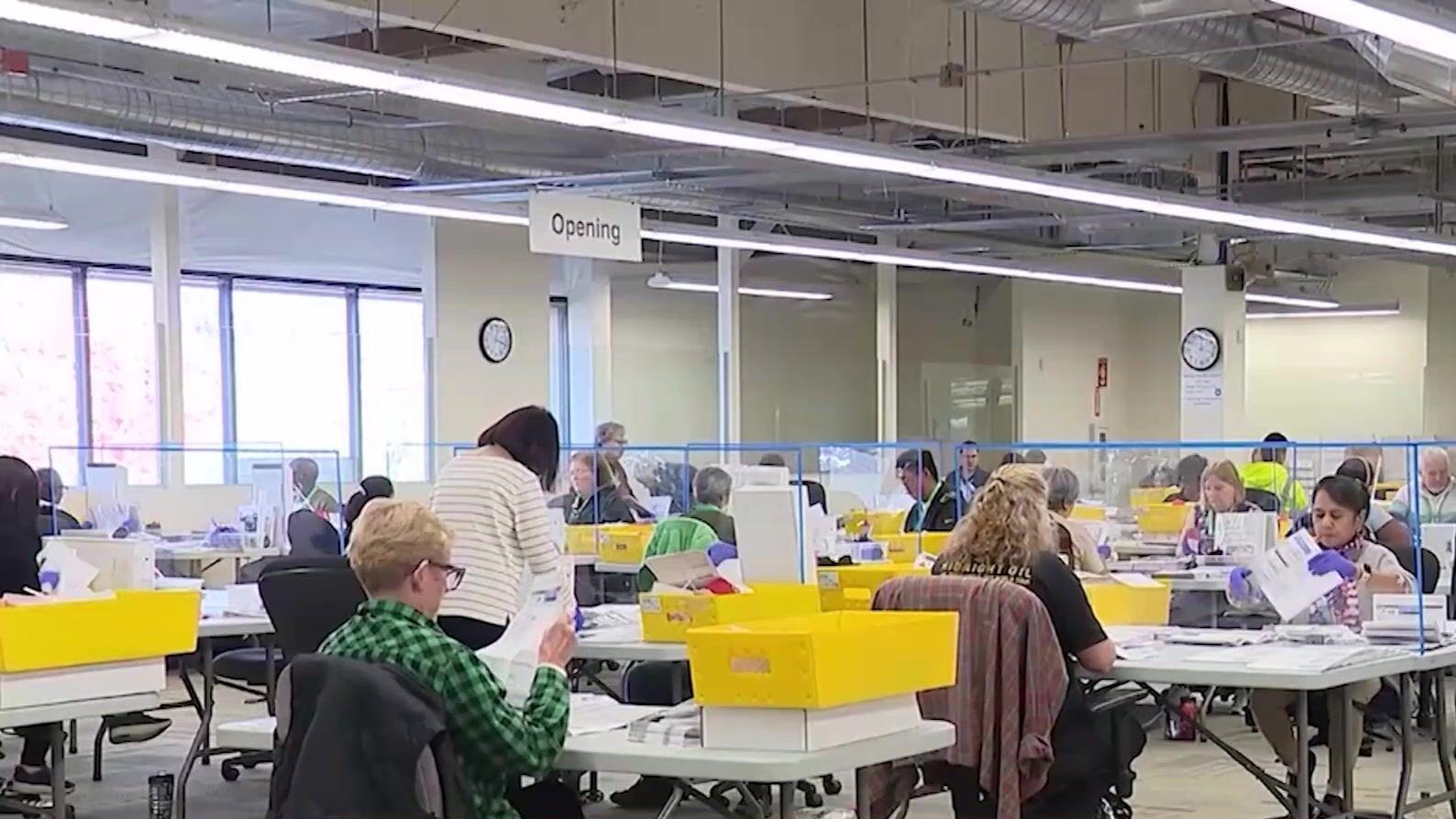
Washington voters could see major changes under new Washington mail ballot rules proposed by the U.S. Postal Service, which would change how mail-in ballots are tracked and processed in federal elections. The proposal is now open for public comment and has sparked debate among state and federal officials.
Under the plan, every mail-in and absentee ballot envelope would need a unique barcode. Election offices would also have to submit a list of voters linked to each barcode. The system would create a new “Mail-in and absentee participation list” designed to track ballot movement more closely through the postal system.
Washington Secretary of State Steve Hobbs said the proposed changes would require major updates to the state’s election system. He explained that Washington already uses barcodes on outgoing ballots, but the new rule would require an additional barcode on returned ballots. He said this would force a redesign of ballot systems and could increase costs for the state.
Officials in Washington have raised concerns about the impact of the Washington mail ballot rules on election operations. Hobbs said the changes would create logistical challenges and may slow down ballot processing. He warned that adjustments to ballot design and tracking systems would require time and resources before implementation.
The proposal follows a federal executive order signed by President Trump in March. The order directed the U.S. Postal Service to strengthen standards for handling election mail. The administration said the goal is to improve election integrity and reduce the risk of fraud in mail voting systems.
The U.S. Postal Service said it has the authority to implement the changes under its federal charter. Officials described the proposal as an operational update rather than a direct change to election law. USPS also stated that states would still control voter eligibility and ballot distribution. The agency said its role would be limited to verifying that ballots match the voter lists provided by states.
Washington election officials strongly disagreed with the need for the new Washington mail ballot rules. Hobbs pointed to the state’s election history, saying Washington has a strong record of transparency and security. He said that between 2008 and 2025, around 90 million votes were cast in the state with only a handful of fraud cases confirmed.
He argued that the proposed federal changes could interfere with state authority over elections. Hobbs said the plan may violate constitutional limits by expanding federal control over election administration. He also warned that the changes could delay ballot delivery and return processing for voters.
Election security and voter access have become central topics in the debate over the Washington mail ballot rules. Supporters of the proposal say stronger tracking systems could increase trust in mail voting. Critics argue that Washington already has effective safeguards in place and that additional requirements may create unnecessary complications.
Hobbs urged voters to act early during upcoming elections as discussions continue over the proposal. He encouraged residents to mail ballots as soon as possible or use official ballot drop boxes instead of waiting until deadlines. He said early voting would help ensure ballots are received and counted on time if changes take effect.
The proposed rule was published for public comment on June 2, 2026. The public has until July 2, 2026, to submit feedback before any final decision is made. Federal officials are expected to review public input before determining whether to move forward with the changes.
The debate over Washington mail ballot rules reflects a broader national discussion about election security, voting access, and the role of federal agencies in election systems. As the comment period continues, both supporters and opponents are preparing to weigh in on how mail voting should be managed in future elections.
