


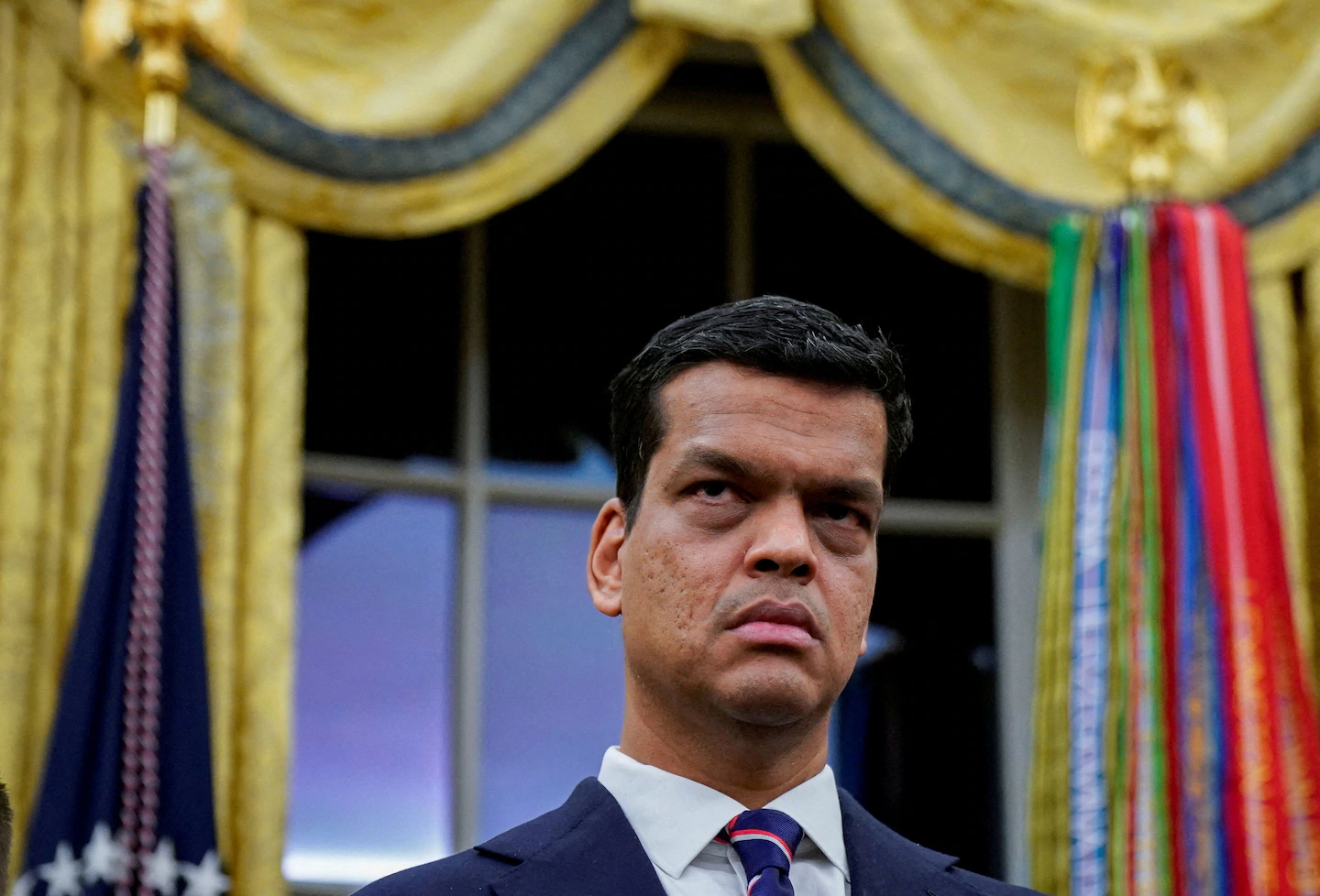
A senior White House artificial intelligence adviser who helped shape the Trump administration’s technology policy is set to leave his post at the end of the month, marking a significant shift in the team guiding U.S. AI strategy.
Sriram Krishnan, a tech investor and policy strategist, has informed officials that he will step down from his role as senior adviser on artificial intelligence. He is expected to launch a new outside initiative focused on influencing technology policy from outside government.
Krishnan played a central role in developing the administration’s AI agenda, including a broad policy framework known as the “AI Action Plan.” That plan focused on reducing regulatory barriers, expanding data center development, and encouraging rapid private-sector growth in artificial intelligence systems.
His work also included contributions to executive orders that aimed to limit state-level regulation of AI and create a more uniform national approach. These efforts were designed to support faster innovation and strengthen U.S. leadership in emerging technologies.
However, the policy direction also created internal tensions. Some political allies expressed concern that a “light-touch” regulatory approach could increase risks related to job displacement, cybersecurity, and unchecked AI development.
The debate reflects a broader divide inside the administration between Silicon Valley–style innovation advocates and more populist voices who support stricter oversight of powerful new technologies.
President Donald Trump has repeatedly highlighted artificial intelligence as a key driver of economic growth and national competitiveness. He has publicly praised Krishnan for helping advance the administration’s technology goals.
At the same time, White House officials have begun to show increased concern about the potential risks of advanced AI systems. Reports indicate that senior advisers are particularly focused on the ability of new models to identify software vulnerabilities, which could be exploited in cyberattacks against government systems and critical infrastructure.
These concerns contributed to a shift in policy direction. Earlier this month, the administration signed an executive order introducing a government review process for powerful AI models before public release. The move signaled a more cautious approach compared to earlier proposals.
The policy changes also reflect ongoing debates about how much oversight is appropriate for rapidly evolving AI systems. Some officials argue that stronger safeguards are needed to prevent misuse, while others warn that excessive regulation could slow innovation.
Krishnan’s departure comes after months of intense policy discussions inside the administration. He has been closely associated with other Silicon Valley figures who have advised the White House on technology issues and helped shape its approach to AI development.
His allies include investor David Sacks, who has also played a role in discussions around AI regulation and executive policy design. Together, they have pushed for policies that encourage faster deployment of AI systems across industries.
Krishnan previously worked in the private sector at major technology companies and venture capital firms before joining the administration. His experience in Silicon Valley helped connect government policy with industry priorities.
During his time in government, he was involved in multiple international visits and policy meetings focused on expanding U.S. leadership in artificial intelligence. He also contributed to initiatives aimed at increasing exports of American technology and expanding domestic AI infrastructure, including data centers.
His policy approach often aligned with efforts to reduce what supporters saw as unnecessary regulatory barriers. However, critics argued that such policies could weaken safeguards and reduce public oversight of powerful AI systems.
The White House has not announced a replacement for his position. Officials said his contributions were important in shaping the administration’s early AI strategy and that cooperation is expected to continue through his planned outside initiative.
Krishnan’s exit comes at a time when AI policy is becoming increasingly central to political debate in the United States. Lawmakers and regulators continue to weigh how to balance innovation with safety as AI systems become more advanced and widely used.
His departure is likely to fuel further discussion about the direction of U.S. technology policy and the influence of Silicon Valley figures within government decision-making.
As the administration continues refining its AI strategy, the role of outside advisers and private-sector experts is expected to remain significant, even as internal divisions over regulation and risk management persist.
