


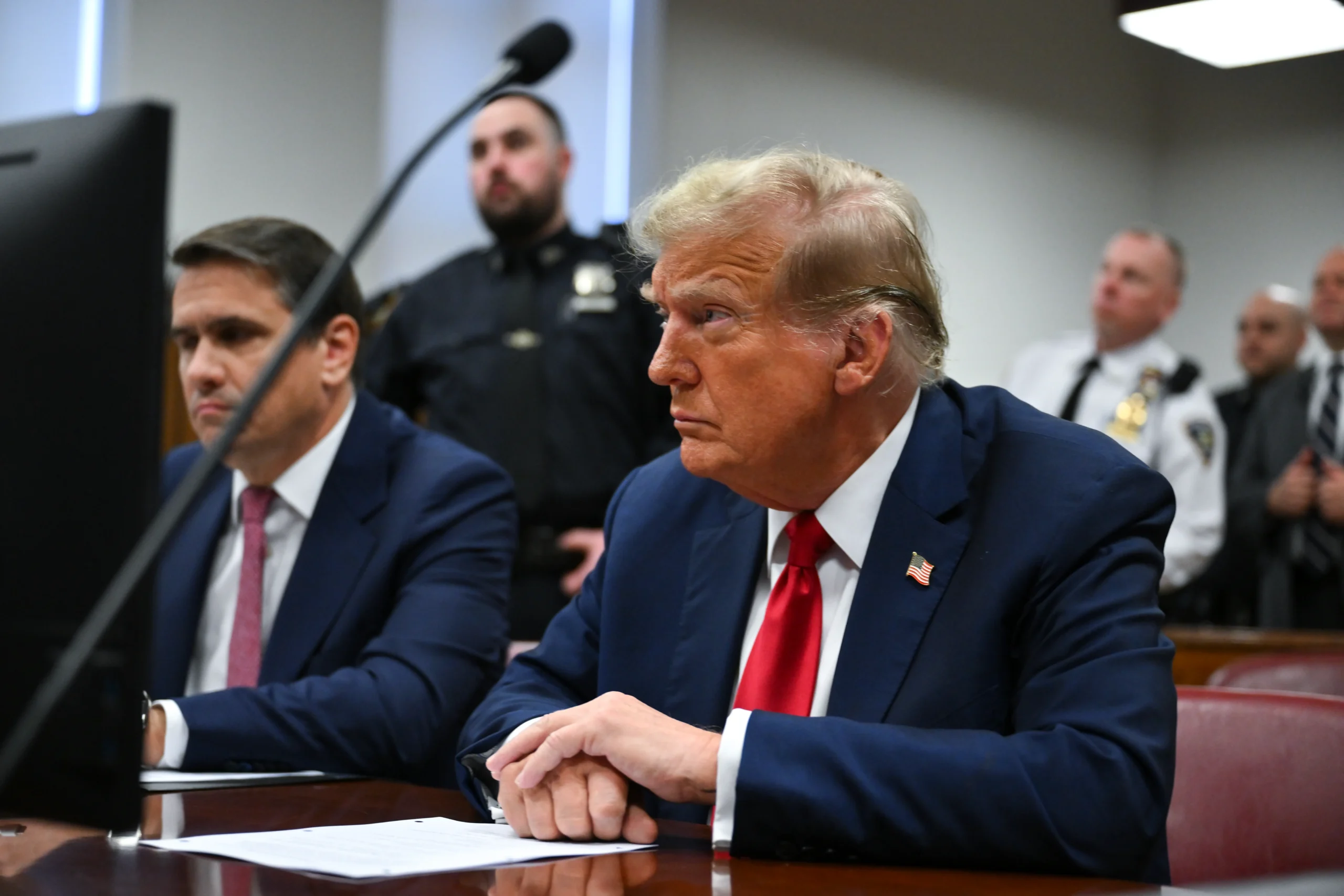
President Donald Trump has expressed interest in finding common ground with Democrats on healthcare, but major disagreements between the two parties could make an agreement difficult. Democrats are preparing to make healthcare a central part of their agenda in the next Congress following their strong midterm election performance. Their priorities include restoring expanded Affordable Care Act subsidies and reversing Medicaid reductions introduced through the president’s major legislative package. Trump has suggested that both parties could reach an agreement on certain healthcare issues, although he has not accepted the full set of Democratic proposals.
Democrats themselves are still debating which policies should receive the most attention. Some members support a universal healthcare system through Medicare-for-all, while others prefer more limited changes to the existing Medicare programme. Proposals under discussion include lowering the age at which people can qualify for Medicare and adding coverage for hearing, vision and dental services. Party leaders also want to improve healthcare access for children. These ideas reflect different approaches within the Democratic Party, making it difficult to settle on one legislative plan before negotiations begin.
One area where the two sides may find agreement is the cost of prescription medicines and medical services. Trump has repeatedly criticised high drug prices and has promoted agreements with pharmaceutical companies during his second term. Democrats have also sought to expand Medicare’s ability to negotiate medicine prices and make lower costs available to more patients. Both parties have supported greater transparency in healthcare pricing, including rules requiring insurance companies to disclose the prices they negotiate with doctors and hospitals.
However, previous attempts to reach a bipartisan agreement on drug pricing have failed. During Trump’s first term, negotiations with then-House Speaker Nancy Pelosi ended without a deal. The administration has also expressed opposition to some of the wider changes being considered by Democrats, particularly proposals that would significantly expand federal healthcare spending. Officials at the Centers for Medicare and Medicaid Services have said the agency is open to working with Congress on lowering medicine costs and improving value for patients. Whether that shared interest can lead to meaningful legislation remains uncertain.
