


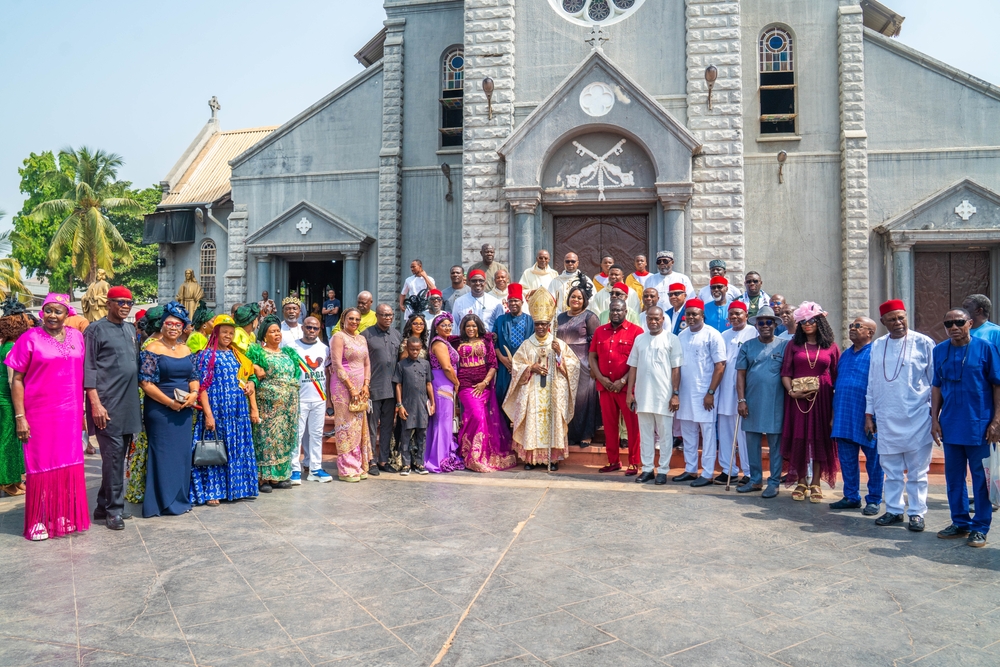
Nigeria remains tense after U.S. President Donald Trump threatened possible military action over alleged persecution of Christians. Trump ordered the Pentagon to prepare plans for intervention, claiming Nigeria failed to protect its Christian population. On Saturday, he warned, “If Nigeria keeps allowing the killing of Christians, the U.S. will stop all aid and may enter the country guns blazing to wipe out Islamic terrorists.”
Trump added, “I’ve instructed our Department of War to prepare for possible strikes. If we attack, it will be fast and ruthless.” The statement shocked many Nigerians, who woke Sunday to reports of Trump’s directive.
Abuja Pushes Back, Calls for Dialogue
President Bola Ahmed Tinubu rejected any threat of U.S. military action but said he remained open to talks. He offered to meet Trump to discuss counterterrorism and security cooperation under mutual respect for Nigeria’s sovereignty.
Tinubu insisted that labeling Nigeria a religiously intolerant country distorts reality. His spokesperson, Daniel Bwala, described Trump’s words as “a negotiating tactic,” pointing out that Nigeria and the U.S. already share intelligence and weapons in their joint fight against Islamist insurgents.
Human rights groups report worsening violence. Amnesty International recorded more than 10,000 deaths from jihadist attacks in northern and central Nigeria since Tinubu took office. With a population of 220 million split between Muslims and Christians, Nigeria faces constant attacks from Boko Haram and other armed groups. Analysts say most victims are Muslim, though Christian groups argue they suffer targeted massacres. Reverend Ezekiel Dachomo claimed, “A genocide is happening, and attempts to deny it come from government manipulation.”
Fears of Resource Motives Behind U.S. Interest
Trump’s remarks follow U.S. Senator Ted Cruz’s call to classify Nigeria as a violator of religious freedom. The comments sparked debate about whether Nigeria should accept any U.S. military intervention. Broadcaster Cyril Abaku said, “If it helps secure our communities, we should welcome it. Terrorism is global, and we need support.”
Others suspect Trump’s motives go beyond humanitarian concern. Analysts note that Nigeria’s northeast holds valuable deposits of lithium, nickel, cobalt, and rare earth elements vital for defense, renewable energy, and electric vehicles. These resources, they argue, may drive U.S. interest under the guise of protecting Christians.
Human rights activist Omoyele Sowore countered, “Nigeria doesn’t need foreign saviors. It needs accountable leaders who protect citizens, deliver justice, and end corruption.”
The U.S. first labeled Nigeria a “country of particular concern” in 2020 for systemic violations of religious freedom, though it never cited Christian persecution directly. The new threat has now reignited old tensions and fresh fears of foreign involvement cloaked in moral rhetoric.
