


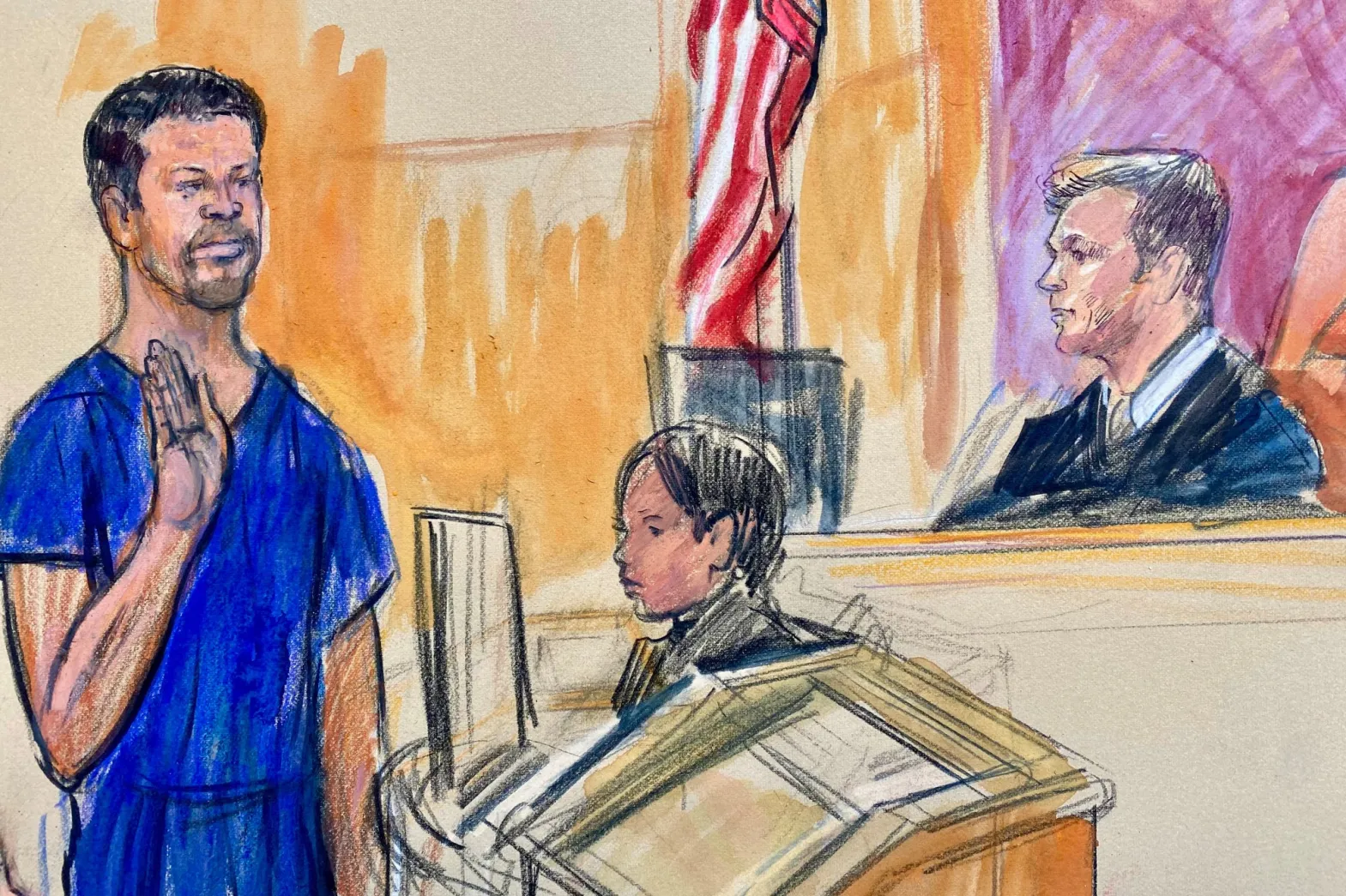
A recent security incident involving a heavily armed California man attempting to reach the White House correspondents’ dinner has reignited debate in Washington over Political Violence Blame Game dynamics. The suspect was arrested before reaching the event, but the reaction that followed quickly shifted into political conflict. Instead of focusing only on the security breach, leaders across the political spectrum began accusing each other of encouraging extremism.
The incident has once again exposed how quickly political violence becomes a partisan argument in the United States. Democrats and Republicans both issued statements condemning violence, but the tone soon changed. Former President Donald Trump criticized sections of the media, while his opponents pointed to what they described as inflammatory political language from the right. The discussion soon turned into accusations of hypocrisy on both sides.
Critics argue that this cycle of blame has become a pattern in American politics. Each major act of political violence is often followed by efforts to connect the attacker to opposing political rhetoric. However, these claims are rarely agreed upon, and investigations often show more complex personal motivations behind the attacks. In this case, early reports suggested the suspect may have been influenced by his own beliefs rather than a coordinated political message.
Political analysts say the Political Violence Blame Game reflects a deeper problem in US political culture. Instead of focusing on prevention or root causes, public debate often shifts toward assigning responsibility to the opposing party. This creates a cycle where each side sees the other as responsible for instability, even without clear evidence.
Historical examples are often cited in these debates. Past incidents, such as attacks on political figures and public spaces, have led to immediate accusations from both parties. In some cases, early political claims were later proven incorrect after full investigations. Despite this, initial reactions continue to shape public perception before facts are confirmed.
Experts point to a psychological pattern known as outgroup homogeneity. This refers to the tendency for people to see their own group as diverse, while viewing opposing groups as uniform and extreme. In political terms, this means supporters often believe the worst voices on the other side represent the entire group. This perception fuels misunderstanding and deepens division.
The Political Violence Blame Game is also amplified by media and social platforms. Analysts say partisan media coverage often highlights extreme voices, which then become symbols for entire political movements. This process, sometimes called “nutpicking,” strengthens the belief that the other side is defined by its most radical members.
Social media influencers from both the left and right have become central to this debate. Figures such as Hasan Piker on the left and Nick Fuentes on the right are frequently cited in discussions about political extremism online. Critics argue that both individuals make controversial statements that can inflame tensions. However, there is disagreement within both political coalitions about how to respond to such figures.
Some political commentators argue that extremist voices should be rejected by their own political groups. They believe that internal accountability is necessary to reduce public suspicion and prevent broader generalizations. Others argue that excluding controversial voices raises concerns about free expression and internal debate within political movements.
The broader concern is how political language influences public trust. Analysts warn that repeated cycles of accusation and counter-accusation weaken confidence in democratic institutions. When every act of violence becomes a political argument, it becomes harder to focus on prevention and security.
In Washington, the latest incident has once again highlighted how quickly the Political Violence Blame Game takes over public discourse. While investigations into the suspect continue, the political reaction has already become part of a larger national debate about division, responsibility, and rhetoric.
Experts say the challenge ahead is not only addressing individual acts of violence but also reducing the cycle of blame that follows them. Without that shift, they warn, political tensions are likely to remain high after every major security incident in the country.
