


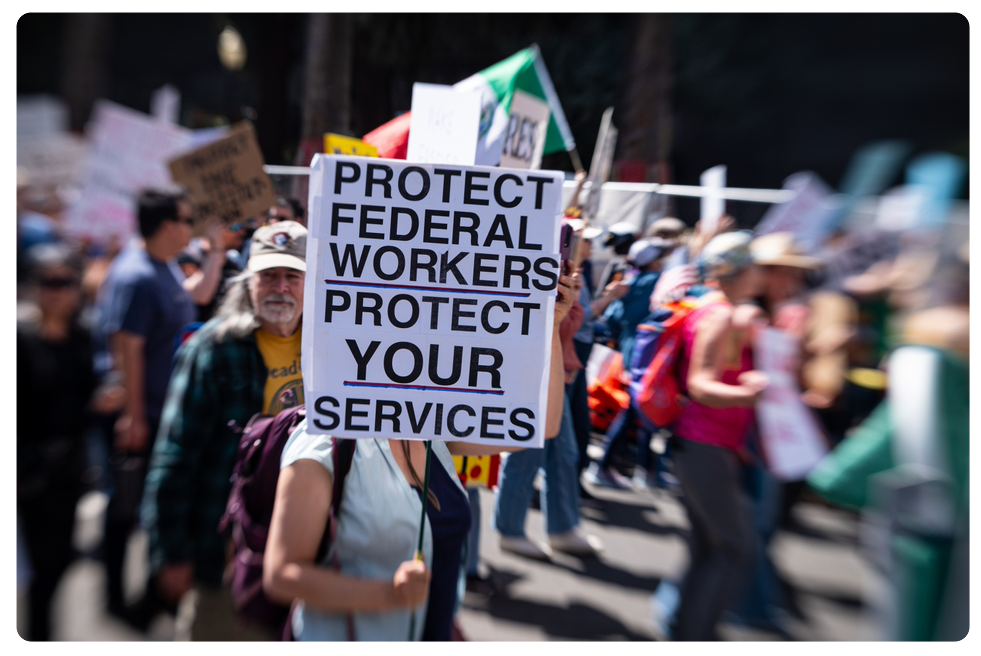
Federal Job Stabilization has become a key focus for policymakers in Washington as officials work to reduce uncertainty among government employees following recent workforce disruptions. The new efforts aim to create more stability in federal employment and prevent future interruptions caused by funding or administrative issues.
Lawmakers and government agencies are reviewing a set of measures designed to protect federal workers from sudden income loss, job insecurity, and operational delays. These steps come after recent shutdown-related challenges that affected thousands of employees across multiple departments.
The Federal Job Stabilization plan focuses on improving continuity in government operations. Officials want to ensure that essential services remain active even during budget negotiations or political disagreements. This includes clearer funding rules and faster payment systems for workers.
One major goal is to reduce the financial stress faced by federal employees during shutdowns or funding gaps. In past disruptions, many workers were either furloughed or forced to continue working without immediate pay. The new measures aim to prevent similar situations in the future.
Policy experts say that job stability in the public sector is important for maintaining government efficiency. When workers face uncertainty, it can affect morale, productivity, and service delivery. Stable employment conditions are expected to improve performance across agencies.
The Federal Job Stabilization efforts also include proposals to strengthen communication between agencies and employees. Clear guidelines on pay continuity, work expectations, and emergency procedures are expected to reduce confusion during future disruptions.
Another key part of the plan is improving budget planning processes. Lawmakers are considering changes that would make government funding more predictable. This could help avoid sudden shutdowns that impact federal operations.
Recent events highlighted how vulnerable federal workers can be during political gridlock. Agencies responsible for public safety, transportation, and administration were forced to scale back operations, affecting both workers and citizens.
Under the new approach, policymakers are also exploring automatic funding mechanisms for essential services. These systems would help keep critical departments running even if broader budget agreements are delayed.
Federal Job Stabilization is also expected to include support programs for affected workers. These may involve financial assistance, counseling services, and faster back-pay processing in case of disruptions.
Officials say the goal is to rebuild trust between federal employees and the government. Stable working conditions are seen as essential for attracting and retaining skilled professionals in public service roles.
Economists note that workforce stability also benefits the wider economy. When government operations remain consistent, it reduces delays in contracts, permits, and public services that businesses rely on.
The discussions in Washington are still ongoing, and no final legislation has been passed yet. However, there is growing bipartisan interest in preventing future shutdown-related disruptions.
Federal Job Stabilization measures are expected to evolve over time as lawmakers refine policy details. The focus remains on ensuring that federal workers can perform their duties without facing repeated uncertainty.
If implemented successfully, the plan could mark a significant shift in how government employment is managed during political and budgetary challenges.
