


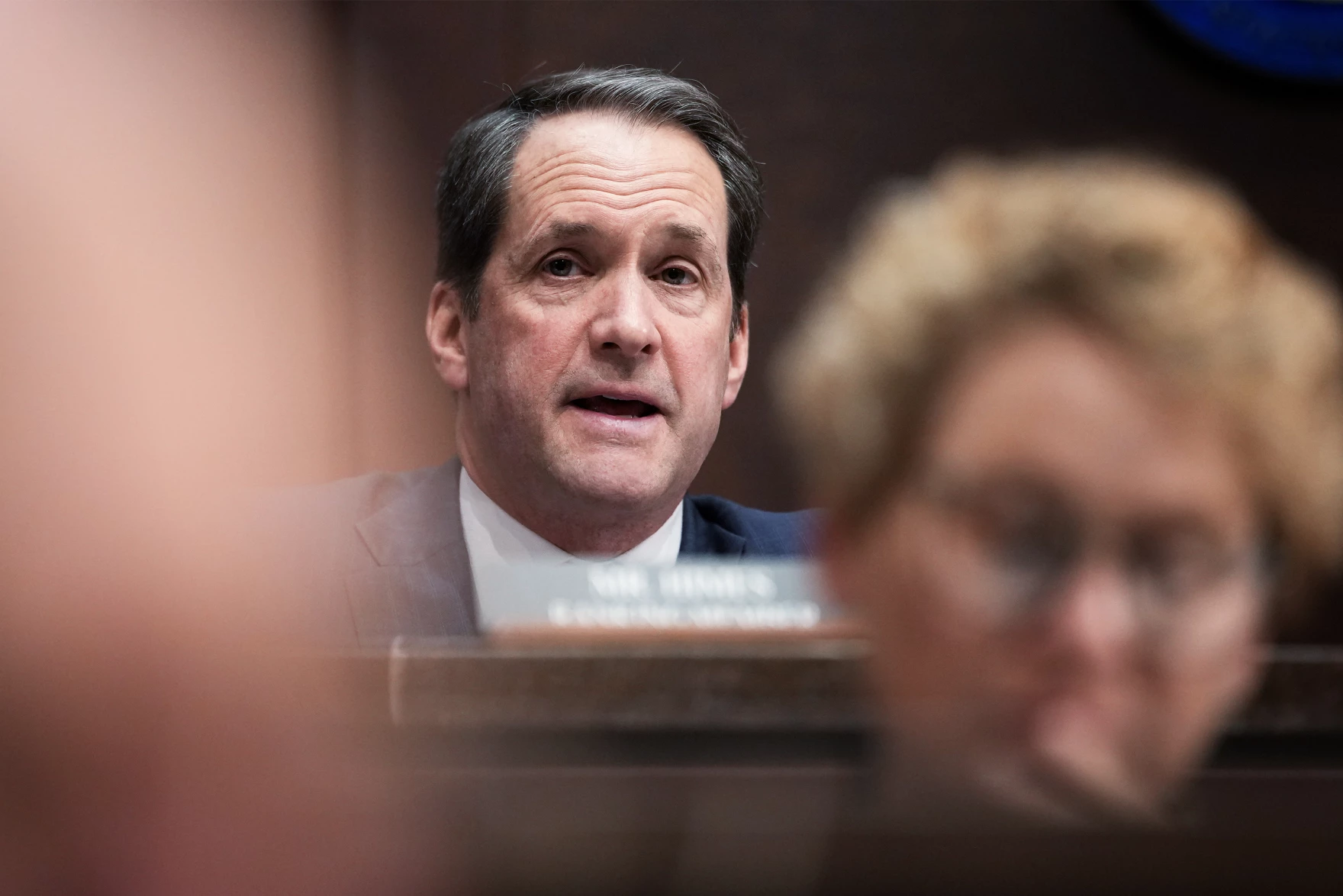
Surveillance reform negotiations are continuing as policymakers work to find a balanced agreement on national security and privacy rights. The talks focus on how to maintain essential security tools while also addressing growing concerns about constitutional protections and government overreach.
The surveillance reform negotiations bring together lawmakers, security officials, and legal experts. Each group has different priorities. Security agencies argue that surveillance tools are important for preventing threats and protecting public safety. At the same time, civil rights advocates stress the need to protect individual privacy and limit unnecessary data collection.
The central issue in surveillance reform negotiations is how to balance security and freedom. Governments use surveillance systems to monitor threats, track criminal activity, and support investigations. However, critics say that some of these tools may collect too much personal data or operate without enough oversight.
Lawmakers involved in surveillance reform negotiations are discussing possible new rules. These include stricter limits on data access, clearer approval processes, and stronger judicial oversight. The goal is to ensure that surveillance is used only when necessary and under legal authority.
Privacy concerns are a key part of surveillance reform negotiations. Many experts argue that modern digital surveillance has expanded faster than existing laws. As technology grows, large amounts of personal information can be collected through phones, internet activity, and communication systems. This has raised concerns about how data is stored and used.
Security officials participating in surveillance reform negotiations say that removing or weakening surveillance tools could create risks. They argue that these systems help prevent crime and terrorism. They also say that oversight mechanisms already exist to prevent misuse.
The challenge in surveillance reform negotiations is finding a middle ground. Lawmakers want to protect citizens’ rights while also ensuring national security systems remain effective. This has made the discussions complex and slow-moving.
Legal experts say surveillance reform negotiations often involve interpreting constitutional rights. Privacy protections are a key concern in many democratic systems. Courts may also play a role in reviewing how surveillance laws are applied.
Civil rights groups involved in surveillance reform negotiations are calling for stronger transparency rules. They want clearer public reporting on how surveillance tools are used. They also support independent audits to ensure accountability.
Some proposals in surveillance reform negotiations include limiting bulk data collection. Others suggest requiring warrants for more types of surveillance activities. These ideas aim to reduce the risk of overreach while maintaining necessary security functions.
Technology is also shaping surveillance reform negotiations. Modern surveillance tools can analyze large data sets quickly. This raises new questions about how much information should be collected and who should have access to it.
International examples are also being studied during surveillance reform negotiations. Different countries use different levels of surveillance and privacy protection. Lawmakers are looking at these systems to understand possible solutions.
Public opinion plays an important role in surveillance reform negotiations. Many citizens support strong security measures but also want clear privacy protections. This balance is shaping political discussions and influencing policy proposals.
Experts say surveillance reform negotiations are likely to continue for some time. The complexity of technology and law makes quick agreement difficult. However, there is broad agreement that reform is needed to update outdated rules.
Some lawmakers believe surveillance reform negotiations could lead to new national standards. These would define how surveillance tools can be used and what limits must be in place. This could create more consistent rules across agencies.
The outcome of surveillance reform negotiations may have long-term effects on privacy, security, and digital rights. Decisions made in these talks could shape how governments use technology for years to come.
For now, surveillance reform negotiations remain ongoing. Policymakers continue to review proposals and seek compromise. The focus remains on finding a solution that protects both public safety and individual freedoms in a rapidly changing digital world.
