


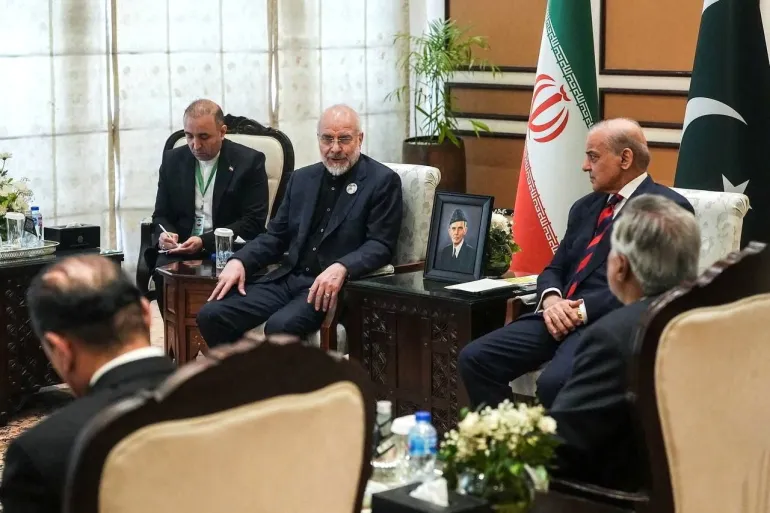
US Iran Peace Talks are gaining momentum as the United States pushes forward with new diplomatic channels aimed at reducing tensions and extending a fragile ceasefire framework. Pakistan is preparing to host the negotiations in Islamabad, positioning itself as a key mediator in the ongoing crisis.
Early U.S. delegations have already arrived in the Pakistani capital, signaling that talks are actively moving ahead. According to diplomatic sources, Washington is working closely with mediators to create space for dialogue between U.S. and Iranian representatives.
The negotiations are focused on two main goals: extending the current ceasefire and reducing military escalation in the region. Officials also hope the discussions could open the door to longer-term peace arrangements if initial progress is achieved.
Pakistan’s role as host is central to the process. Islamabad has been facilitating communication between both sides and providing neutral ground for meetings. This mediation effort is seen as part of its broader diplomatic strategy in regional conflict resolution.
Reports indicate that the U.S. delegation includes senior officials tasked with negotiating security and ceasefire terms. Their presence in Islamabad reflects Washington’s commitment to maintaining diplomatic momentum rather than allowing the situation to deteriorate further.
The US Iran Peace Talks come amid heightened regional tensions linked to maritime security and energy supply routes. The Strait of Hormuz remains a critical focus, as it is one of the world’s most important oil shipping corridors. Ensuring safe passage through this route is seen as essential for global economic stability.
International observers note that the talks are taking place under a fragile environment. Previous rounds of negotiations have faced setbacks due to disagreements over security conditions, sanctions, and military actions in the region.
Despite these challenges, diplomatic engagement continues. The current phase of talks is seen as an attempt to rebuild trust and prevent further escalation. Both sides are under pressure from global partners to maintain stability and avoid wider conflict.
Pakistan’s mediation efforts are being closely watched. The country has hosted earlier rounds of discussions and continues to act as a bridge between Washington and Tehran. Its involvement is viewed as crucial for keeping dialogue open.
Officials involved in the process say that the current focus is on confidence-building measures. These include limited ceasefire extensions, improved communication channels, and agreements to avoid actions that could trigger further escalation.
The arrival of U.S. officials in Islamabad is being interpreted as a sign of cautious progress. While no final agreement has been reached, diplomatic engagement remains active and ongoing.
However, analysts caution that significant gaps still exist between the two sides. Key issues such as sanctions, security guarantees, and regional military activity remain unresolved.
Even so, the continuation of talks reflects a shared interest in avoiding further escalation. Both sides appear willing to explore diplomatic solutions despite deep differences.
The US Iran Peace Talks are expected to continue in the coming days under Pakistan’s supervision. Diplomats hope that sustained dialogue may lead to a temporary extension of the ceasefire and create conditions for broader negotiations.
As the situation develops, the focus remains on preventing conflict escalation and maintaining open diplomatic channels. The outcome of the Islamabad talks will play a key role in shaping the next phase of regional stability efforts.
