


Washington — The United States is preparing a new round of economic pressure on Iran as the conflict in the Middle East enters a tense new phase. The move could affect trade, banks and oil flows. It also puts new pressure on allies that still do business with Tehran.
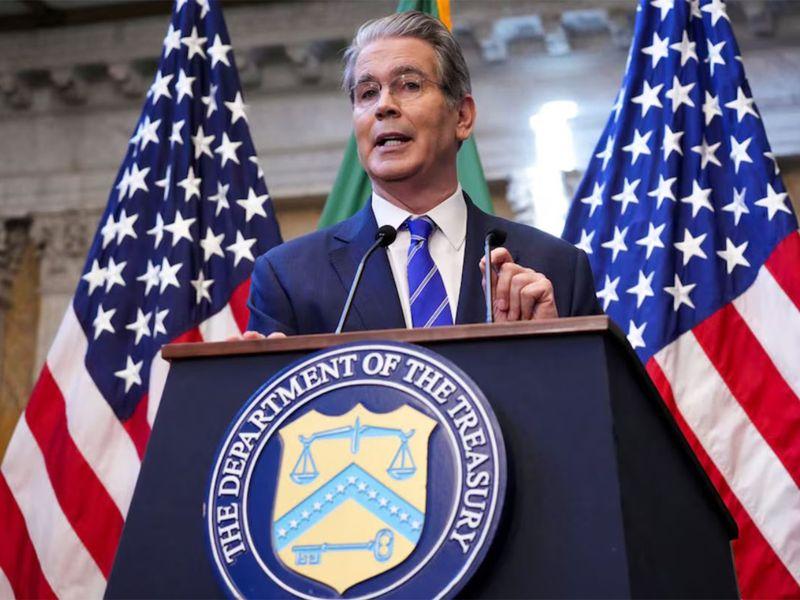
US Treasury Secretary Scott Bessent said Washington was ready to launch what he called a major financial attack on Iran. He said the plan would target Iran and countries that help its economy. The warning came on Monday, August 24, as US officials prepared to give more details.
Iran has answered with a threat of its own. Iranian officials said the country could stop all oil exports from the Gulf if the US continues what Tehran calls an economic war. That threat has raised concern over the Strait of Hormuz, a key route for world oil trade.
The Strait is narrow but vital. Large numbers of oil ships use the route each day. Any major disruption could raise fuel costs in many countries. It could also add to price pressure inside the United States.
The US and Iran have not had full talks for weeks. Earlier talks took place in Switzerland in June. Since then, other nations have tried to help. Qatar, Pakistan and Turkey have all pushed for a path back to talks.
The current dispute comes after months of war and deep economic damage. US and Israeli strikes have hit parts of Iran. The conflict has also hurt trade and energy supplies. Iran entered the war with high inflation, a weak currency and long-running sanctions.
US officials now want economic pressure to force a change in Iran’s position. The plan may also test how other countries respond. Washington has warned nations that keep trade ties with Iran that they could face costs.
China is one key country in the debate. It buys large amounts of energy from the Gulf region. A Chinese embassy official said sanctions and pressure do not solve the problem and called for diplomacy.
The economic risk is not limited to Iran. Oil prices can move fast when traders fear supply cuts. Higher oil prices can raise costs for fuel, travel, shipping and many goods. That can make it harder for central banks to control inflation.
The Strait of Hormuz is already under strain. Shipping in the waterway has slowed sharply during the conflict. Iran still has missiles and drones that could threaten ships and Gulf states, according to US officials.
Washington is also watching the response from Gulf nations. Many of them host US forces and depend on stable trade. A wider crisis could place them in a difficult position between Washington and Tehran.
The conflict has already caused a heavy human cost. Thousands of people have died, with Iran and Lebanon among the hardest-hit areas. The United States has also reported military deaths and hundreds of wounded service members.
Iran’s leaders face pressure at home as well. More sanctions could make food, energy and other basic goods harder to afford. Iranian officials have warned that more economic pain could increase public anger.
Still, both sides have reasons to avoid a wider war. The US wants pressure without a major new military campaign. Iran wants to protect its economy and keep its regional influence. That leaves diplomacy as the main way to reduce the risk.
For Washington, the next step will be closely watched. If the new measures are broad, the impact could spread beyond Iran. If Iran acts on its oil threat, the global energy market could face another shock.
The threat also matters for US drivers and families. A sudden rise in oil prices can show up at gas stations within days. It can also raise costs for airlines, truck firms and delivery services.
The coming days may show whether economic pressure brings Iran closer to talks or pushes the region toward a wider crisis. For now, Washington and Tehran remain far apart, while the risk to energy markets keeps growing.
