


The United States and Canada are moving deeper into a trade war after talks between the two countries broke down. The latest move has brought new tariffs, fresh anger and more doubt over the future of trade between two of North America’s closest partners.
The dispute grew on August 23 after Canadian Prime Minister Mark Carney announced new tariffs on US goods. The measures are set to begin on September 8. Canada says the tariffs will answer new US duties on Canadian products.
The latest US tariffs took effect on August 22. They place a 50 percent duty on about $20 billion worth of Canadian goods. The list covers many products, including food, electronics, furniture, paper goods and other items. Some key goods remain outside the new measures.
Carney said Canada will respond with what he called a dollar for dollar approach. The new Canadian tariffs will target goods from the United States. Steel, dairy goods, farm tools, home goods and electronics are among the products expected to face new duties.
The move came after trade talks failed in Washington. Both sides had hoped to reach a deal, but the talks broke down over several major issues. Canada objected to parts of the US proposal and said some demands could hurt its economy and limit its freedom to make trade deals with other countries.
The dispute is more serious because the United States and Canada have one of the world’s largest trading links. Canada sends a large share of its exports to the United States. US firms also depend on Canadian goods, raw materials and parts.
That means tariffs can affect both sides. A tax on imported goods can raise the cost of those goods. Companies may then pass some of that cost to buyers. This can push prices higher at a time when many families are already facing pressure from inflation.
The new tariffs also put the future of the US Mexico Canada trade deal under more strain. The agreement was meant to provide a stable trade system for North America. The latest dispute has raised new questions about how well that system can work during periods of political tension.
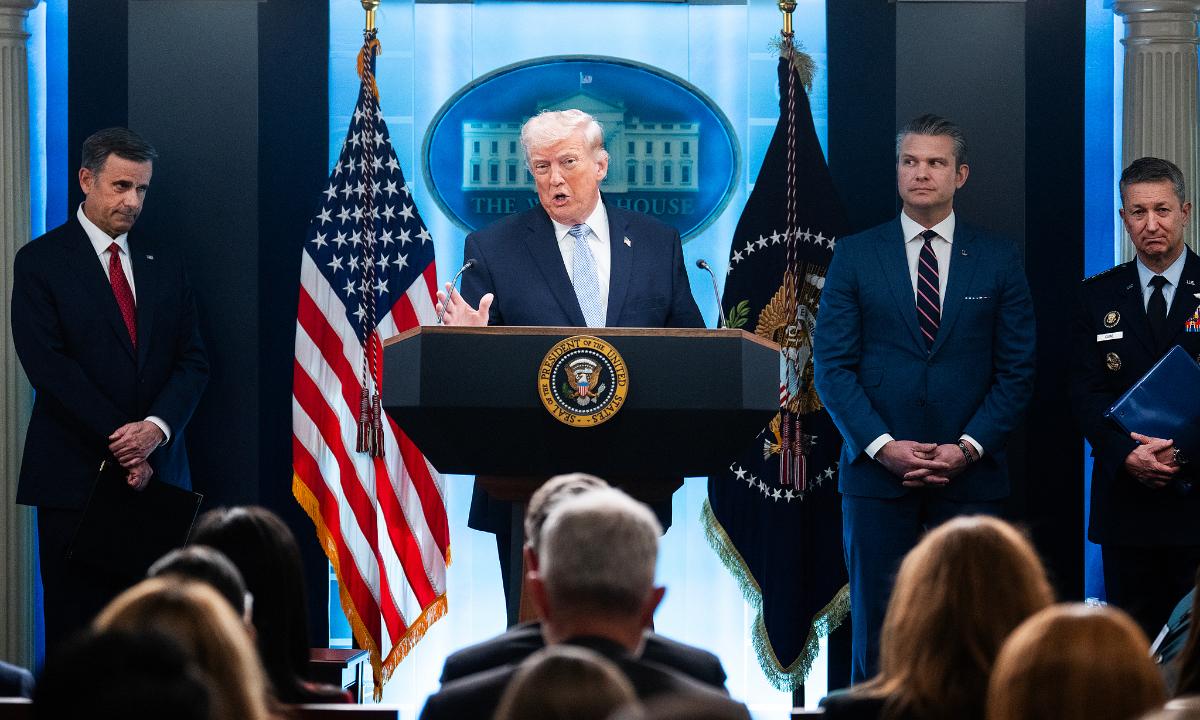
Washington says its trade policy is aimed at protecting US workers and businesses. The Trump administration has argued that Canada has placed unfair limits on US products. It has also pointed to rules that it says hurt American companies.
Ottawa has rejected that view. Canadian officials say the United States is using its economic power against a long time ally. Carney has said Canada will defend its workers and its national interests.
The dispute has also created political pressure in both countries. Canadian leaders face calls to protect local firms from the effects of US tariffs. In the United States, businesses that rely on Canadian supplies may face higher costs if the conflict continues.
The timing is also important for President Donald Trump. The US midterm elections are approaching, and the economy will be a major issue for voters. Higher prices caused by trade action could become a political problem if they continue for a long period.
There is still a chance for talks to resume. However, no new negotiations are currently planned. US officials have blamed Canada for failing to accept the latest offer, while Canadian leaders say Washington pushed demands that they could not accept.
For now, the next major date is September 8. That is when Canada plans to start its new tariffs. Until then, businesses on both sides of the border will be watching for signs of a new deal.
The latest dispute shows how quickly trade ties can change between close allies. The United States and Canada share a huge border and deep business links. A long trade war could hurt companies, workers and consumers in both countries.
