


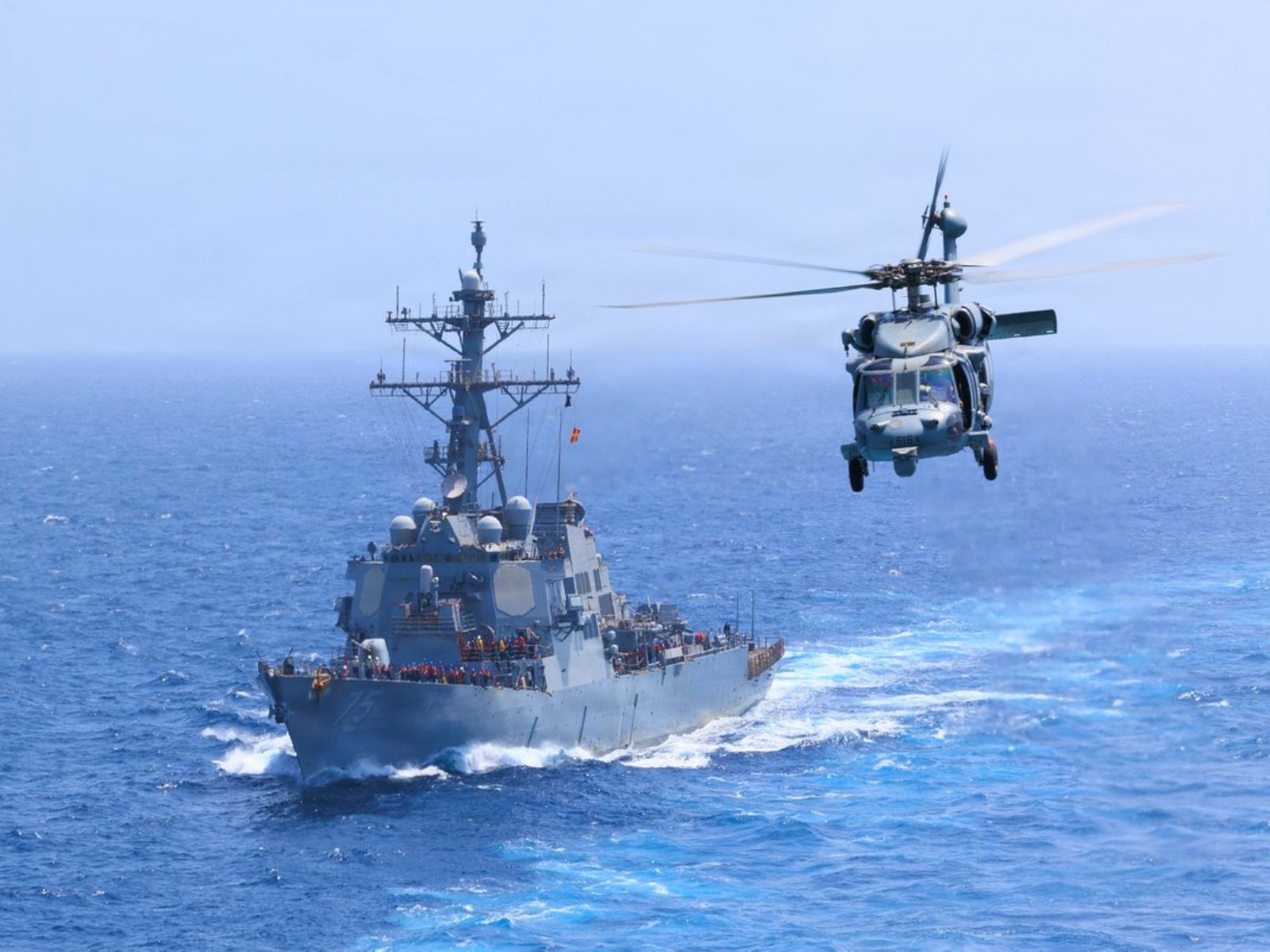
The United States has stepped up action around commercial shipping near Iran as tensions remain high in the Strait of Hormuz.
US Central Command said American forces have redirected 68 commercial vessels in recent weeks. Three vessels were disabled and two were boarded during the operations, according to reports on Saturday.
The actions come during a tense period between Washington and Tehran. The two countries remain locked in a wider dispute that has also affected shipping and energy markets.
The Strait of Hormuz is at the center of the problem. The narrow waterway links the Persian Gulf with the Gulf of Oman. It is one of the world’s most important routes for energy trade.
Large numbers of oil and gas shipments normally pass through the strait. Any serious disruption can therefore affect fuel supplies and prices in many parts of the world.
US officials say the military operations are aimed at protecting shipping. They also say the goal is to keep trade routes open and prevent further disruption.
The movement of commercial ships has become more difficult as tensions with Iran have increased. Washington has accused Tehran of trying to restrict shipping in the region.
Iran has rejected some US claims about its actions. Tehran has also warned that foreign military pressure could make the situation more dangerous.
The latest US operations show how closely military activity and global trade are now linked in the region.
When a commercial vessel is redirected, the effects can go beyond the ship itself. Delays can increase transport costs. Insurance costs can also rise when companies believe a route has become more dangerous.
Energy markets are especially sensitive to events around the Strait of Hormuz. Oil buyers watch the area closely because even a short disruption can create concern about future supplies.
The US has not released full details about every vessel involved in the latest operations. Officials have also provided limited information about the ships that were boarded.
That lack of detail has left many questions open.
It is not clear how long the US operations will continue or whether more commercial ships could be stopped or redirected.
The situation also creates risks for US forces operating in the region. A military action involving a commercial vessel can quickly become more serious if the crew or another government objects.
Washington is trying to prevent that risk while keeping pressure on Iran.
The two sides have already faced several periods of serious tension. The latest dispute adds to concerns about a wider regional conflict.
The shipping issue also has an economic side.
Companies that use the Strait of Hormuz may need to consider longer routes if the waterway becomes unsafe. Longer routes mean more fuel, more time and higher costs.
Those costs can eventually reach consumers.
Higher shipping costs can affect the price of fuel and other goods. The impact would not be limited to countries close to Iran.
The United States has said it wants commercial shipping to continue without major disruption. That goal is important for global trade because the strait remains a key link between energy producers and buyers.
For now, American forces are maintaining a stronger presence around the shipping lanes.
The latest figures show the scale of that effort. Redirecting 68 vessels is a major operation, while the boarding and disabling of ships point to the seriousness of the current situation.
Iran now faces another test. It must decide how to respond to the American actions without creating an even wider confrontation.
The United States faces a similar challenge. Washington wants to protect shipping but must avoid steps that could lead to a direct clash with Iranian forces.
For businesses, the main concern is uncertainty.
Shipping firms need clear routes. Energy companies need stable supplies. Investors need confidence that trade can continue.
Any major change in the Strait of Hormuz could quickly affect all three.
The coming days will show whether the latest US operations reduce the pressure or make the dispute worse.
For now, Washington says it is acting to keep commercial traffic moving. Tehran has not accepted the US approach.
The Strait of Hormuz remains the key pressure point. As long as tensions stay high, every movement of a commercial ship through the waterway could carry wider economic and political consequences.
