


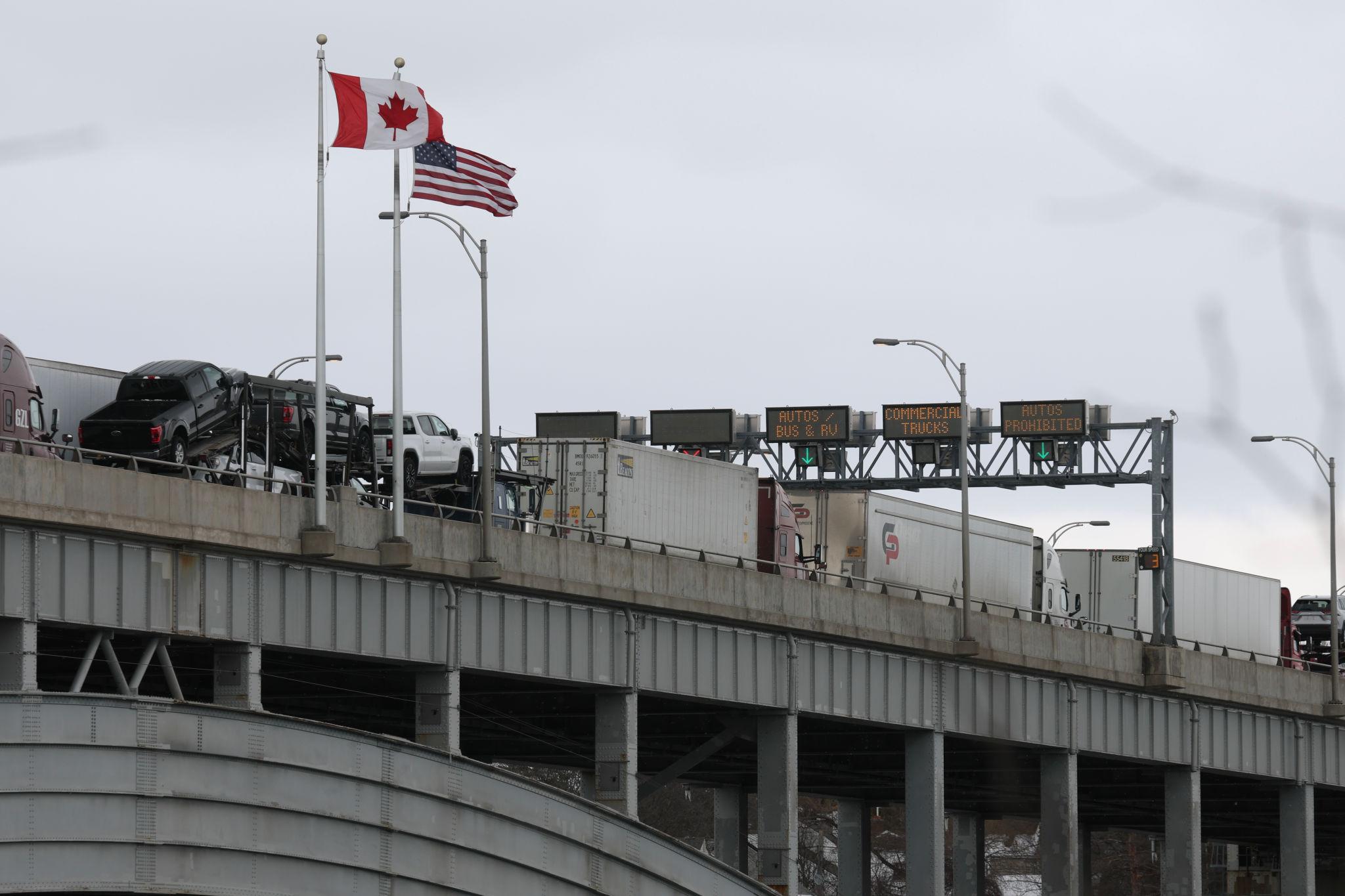
Washington — A new trade fight with Canada is raising fresh concern about prices in the United States. The dispute has already led to higher tariffs, and a Federal Reserve official warned that a long fight could keep inflation high for longer.
Neel Kashkari, president of the Federal Reserve Bank of Minneapolis, said the longer the trade dispute continues, the longer its effect on prices may last. He said businesses need a stable trade system before the pressure from tariffs can fade.
The warning came as the United States began imposing 50% tariffs on Canadian products. The move followed a failure by US and Canadian negotiators to reach a new deal.
Canada has said it plans to respond with tariffs of its own. The Canadian government is expected to target goods such as steel, dairy products, appliances, farm equipment, paper and electronics. The new Canadian measures are planned for September 8.
The trade fight matters because the United States and Canada are major trading partners. The two countries exchanged about $880 billion in goods and services in 2025. Canada was the second largest US trading partner after Mexico.
Higher tariffs can raise costs for firms that buy goods from abroad. Some companies may pass those costs to customers. Others may cut spending or change suppliers. The final effect depends on how long the tariffs stay in place and how businesses respond.
Kashkari said trade conflict is one of several forces affecting US inflation. He also pointed to the war with Iran and its effect on energy costs. Oil prices can affect transport, power and the cost of many products.
The United States has already faced several years of high inflation. Price growth has slowed from earlier peaks, but many families still feel pressure from food, housing, fuel and other daily costs.
A long tariff fight could make that problem harder. If imported goods cost more, firms may need to raise prices. If companies wait for more policy changes, they may also delay new orders and investment.
The effect could spread across many parts of the economy. Manufacturers may pay more for parts. Retailers may pay more for products. Farmers may face higher costs for equipment. Consumers may see higher prices in shops.
Canada is closely linked to the US economy. Many factories and supply chains cross the border several times before a product is finished. That means a tariff can affect more than one company or one country.
The trade dispute also creates uncertainty for businesses. Firms need to know what rules will apply before they make long term plans. Sudden tariff changes can make that work harder.
Kashkari said the inflation effect could fade once the trade system reaches a stable level. Businesses can then adjust to the new rules. But a cycle of new tariffs and new responses could keep the pressure alive.
The Federal Reserve faces a difficult task. It must balance price stability with economic growth and jobs. If inflation stays high, the central bank may have less room to cut interest rates.
Higher rates can slow borrowing and spending. They can also make home loans, business loans and other credit more costly. That can affect families and firms even when inflation is not rising sharply.
The Canada dispute is also a political issue in Washington. US President Donald Trump has made trade policy a major part of his economic program. His administration says tariffs can protect US workers and push trading partners to change their policies.
Canada argues that US tariffs hurt both economies. The two sides now face pressure to avoid a longer dispute.
For American consumers, the key question is how long the tariff fight lasts. A short dispute may cause limited damage. A long fight could keep costs higher and add to inflation risks.
The next few weeks will be important. Businesses will watch the new tariff rules. Markets will watch inflation data. The Federal Reserve will watch both.
