


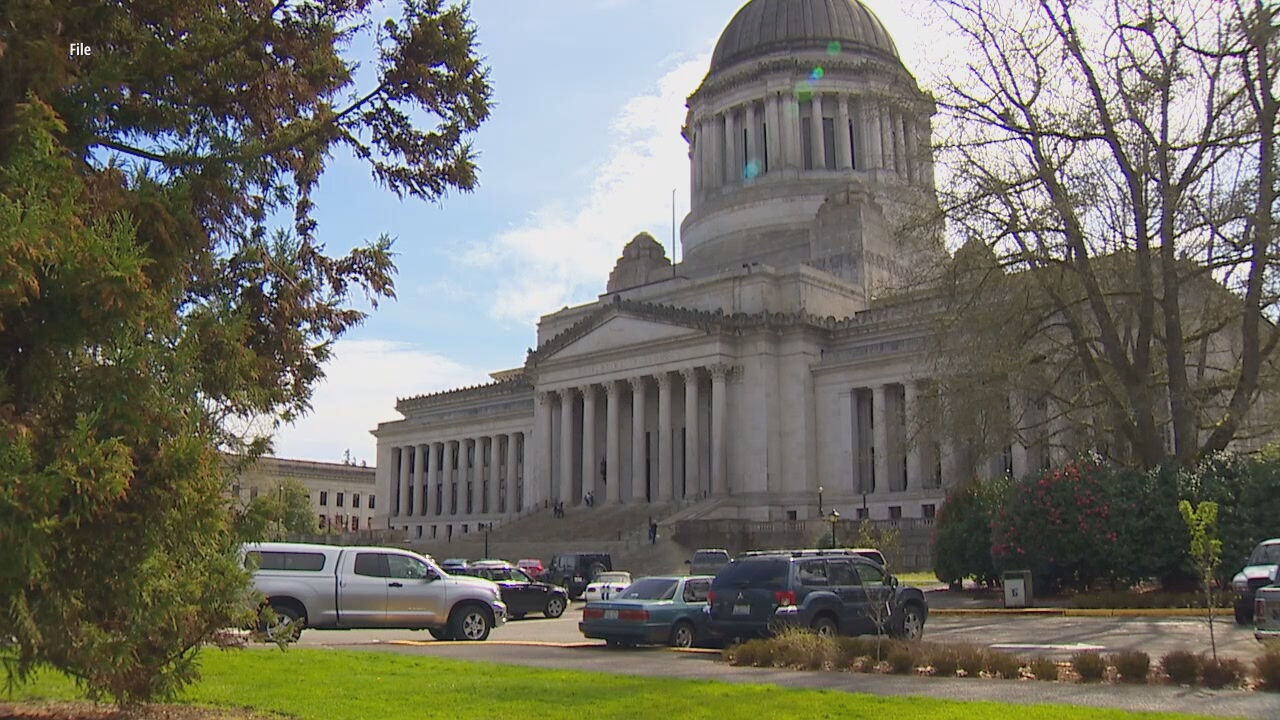
Lawmakers in Washington state are engaged in a major debate over budget priorities as they work to finalize spending plans focused on housing, infrastructure, and long-term climate programs. The discussions have highlighted deep divisions over how to use tax revenue and carbon-related funding.
The Washington Budget Debate 2026 is centered on balancing immediate public needs with long-term investments. Key issues include affordable housing development, transportation upgrades, and climate resilience programs designed to reduce environmental risks.
Housing remains one of the top concerns in the state. Lawmakers are considering increased funding for affordable housing projects as rising living costs continue to pressure residents in urban and suburban areas.
Infrastructure investment is another major focus. Proposals include improvements to roads, public transit systems, bridges, and utilities to support population growth and economic activity.
Climate funding has become a central point of disagreement. Some lawmakers support expanding long-term environmental programs, while others question how carbon-related revenue should be distributed and prioritized.
A key issue in the debate is the use of carbon revenue generated from state climate policies. Some legislators argue that these funds should be reinvested directly into environmental programs, while others suggest using them to support broader budget needs.
The discussion reflects growing tension between immediate economic demands and long-term sustainability goals. Lawmakers are trying to find a balance between social programs, infrastructure needs, and environmental commitments.
Business groups and local governments are also closely watching the negotiations, as final budget decisions will affect funding for regional projects and public services.
Housing advocates are urging lawmakers to increase investment in affordable housing, saying the shortage continues to impact families across the state. They argue that stronger funding is needed to address rising rents and limited supply.
Transportation planners are also pushing for consistent investment in infrastructure to reduce congestion and improve mobility across growing urban areas.
Climate organizations emphasize the importance of maintaining strong funding for environmental programs, warning that delays in action could increase long-term costs related to climate change impacts.
Lawmakers on different sides of the debate acknowledge the complexity of the budget process. They say competing priorities make it difficult to reach agreement quickly.
Public hearings and committee discussions are expected to continue as legislators refine proposals and work toward a final budget plan.
Experts say the outcome of the Washington budget debate will shape the state’s economic and environmental direction for years to come. Decisions made now could influence housing availability, infrastructure quality, and climate preparedness across the region.
As negotiations continue, lawmakers remain under pressure to deliver a balanced budget that addresses both short-term needs and long-term challenges facing the state.
