


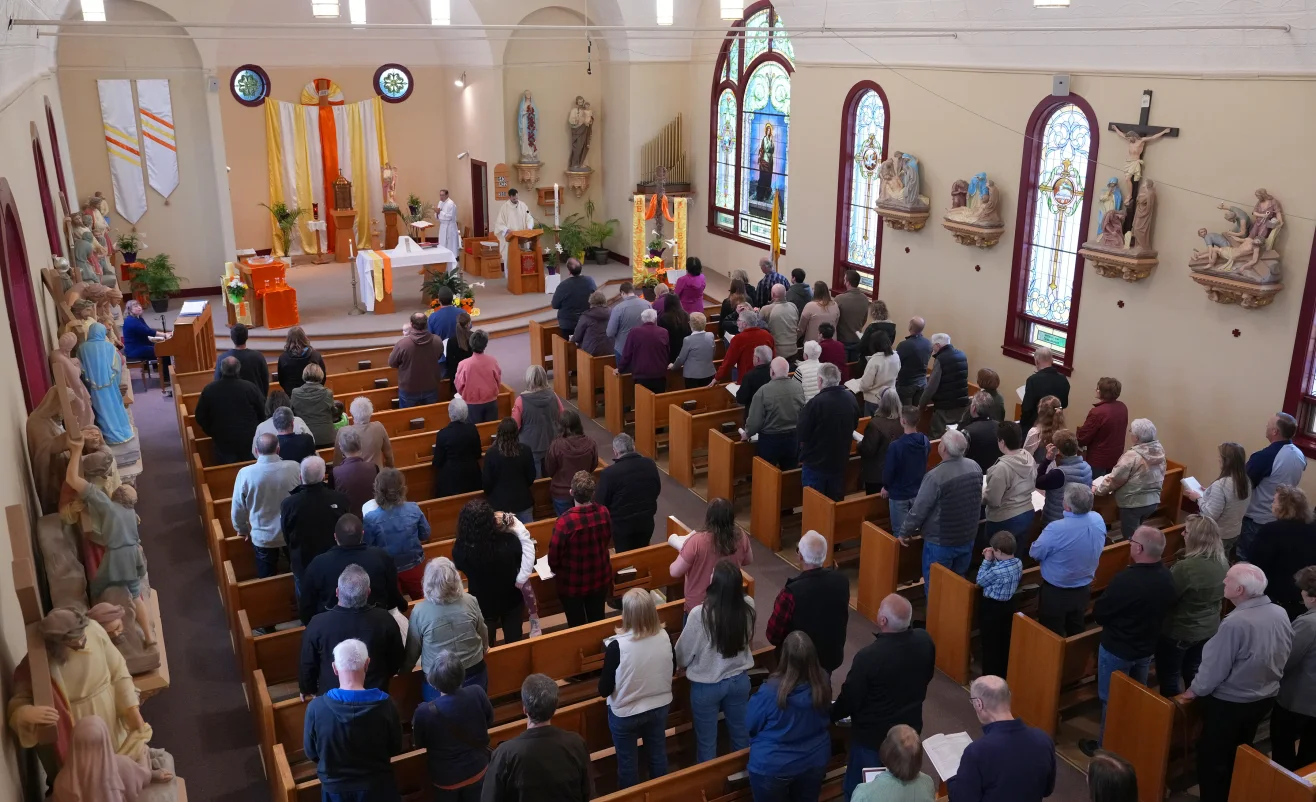
Fred Robinson remembers walking into a struggling suburban Atlanta church with just nine members, a leaking building, and barely enough money to survive. The church had been hit hard by the COVID-19 pandemic, which forced closures, reduced attendance, and left many congregations across the United States in financial and physical decline.
At the time, the future looked uncertain. The building needed major repairs, including rotting floors and mold in the basement. Yet instead of shutting down, the small congregation chose to rebuild. Over the next few years, attendance slowly grew, repairs were completed, and new members joined. Today, the church has expanded its community and stabilized its finances, marking a turnaround that reflects a broader national trend.
A new study from the Hartford Institute for Religion Research shows that in-person worship attendance in the United States has increased for the first time in 25 years. The median congregation size has risen from 45 people in 2021 to around 70 today. Researchers surveyed more than 7,000 religious communities across different faiths, including Christian churches, synagogues, mosques, and Hindu temples.
The findings suggest that many religious communities, after suffering heavy losses during the pandemic, are now experiencing recovery and in some cases renewed growth. Churches have reported higher attendance, increased donations, and more volunteer activity. Some clergy members also say they are seeing improvements in morale and community engagement.
However, the recovery is not uniform. Nearly half of congregations still report declining attendance, showing that many communities continue to struggle. Researchers say the overall trend still points to long-term decline compared with decades past, even though recent data shows a short-term rebound.
The study also found that growth has been stronger in more conservative religious communities, particularly in Republican-leaning regions. Some researchers suggest that churches which remained open during the pandemic were able to retain or attract more members than those that closed for longer periods.
According to researchers, the pandemic forced many congregations to adapt quickly. Churches expanded online services, improved digital outreach, and increased use of social media. Some leaders say this shift helped attract new members who first discovered services online before joining in person.
Scott Thumma, who helped lead the study, said the increase in attendance was unexpected after decades of steady decline. He noted that for years, most indicators showed shrinking congregations, making the recent rise especially surprising.
Despite the rebound, experts caution that challenges remain. Most US congregations are still small, and many continue to face financial pressure, leadership shortages, and declining long-term membership trends.
The study also highlights how the pandemic forced many churches to clarify their missions and identities. Some congregations shifted focus toward community support, social outreach, or more defined theological positions in order to remain relevant and stable.
Religious life in the United States is also becoming more visible in public and political discussions. A planned national prayer event in Washington, D.C. reflects renewed interest in faith-based gatherings at a national level. The event is intended to mark upcoming national milestones and highlight the role of religion in American life.
At the same time, debates continue over the role of religion in politics. A majority of Americans, according to recent polling, believe that churches should avoid political involvement, even as some religious leaders and public figures take more active roles in political discussions.
Researchers say that while some congregations are experiencing revival, there is no sign of a full return to the high levels of church attendance seen in the mid-20th century. Instead, the current moment reflects a mixed picture of recovery and long-term decline.
For many small churches, survival still depends on adaptation and community support. Leaders like Robinson say flexibility, digital outreach, and a willingness to change have been key to rebuilding their congregations after the pandemic disruption.
As religious communities continue to adjust, experts say the future of faith in America will likely be shaped by how well congregations balance tradition with innovation in a rapidly changing society.
