


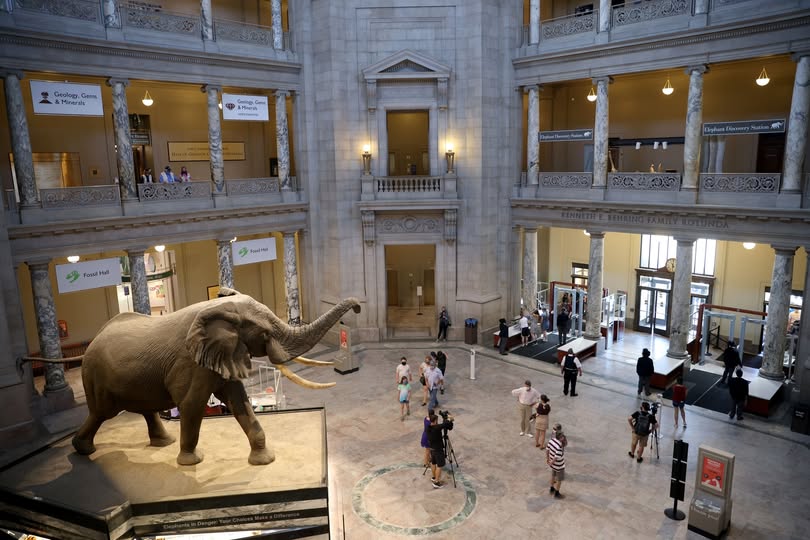
Smithsonian digital access is expanding as new online programs make cultural heritage more widely available to global audiences. The initiative is part of a broader effort by the Smithsonian Institution to bring traditional arts, storytelling, and cultural knowledge into digital spaces. Officials say the goal is to reach more people who cannot visit museums in Washington, DC in person.
The expanded Smithsonian digital access program focuses on sharing recordings, virtual exhibits, and educational materials online. These resources highlight global traditions, folk arts, and cultural stories from different communities. By moving more content online, the Smithsonian aims to preserve cultural heritage while making it easier to explore from anywhere.
Educators say the increased Smithsonian digital access is helping students learn in new ways. Schools and universities are using online materials to support lessons in history, anthropology, and cultural studies. Teachers say digital storytelling helps students better understand cultural diversity and global traditions.
The Smithsonian Institution has been working for years to improve its digital platforms. With this expansion, more collections and performances are being made available in video, audio, and interactive formats. This allows users to explore cultural content at their own pace.
One key part of the program is the focus on the Smithsonian Folklife Festival materials. These programs highlight traditional music, dance, crafts, and storytelling from around the world. By making these materials available online, the institution is preserving cultural expressions that might otherwise be difficult to access.
The Smithsonian digital access initiative also supports researchers and cultural experts. Scholars can now study archived performances and recordings without needing to travel. This improves access to rare cultural documentation and supports academic research.
Officials say the expansion is designed to make cultural learning more inclusive. People from rural areas, other countries, and underserved communities can now explore Smithsonian collections online. This helps reduce barriers to education and cultural participation.
Technology plays a major role in the program. Improved digital platforms allow users to search, view, and interact with cultural materials more easily. Some exhibits also include virtual reality features, offering immersive experiences of cultural events and traditions.
The Smithsonian Institution says this approach also helps preserve fragile cultural materials. Digital archiving reduces the need for physical handling of historical items. This helps protect important artifacts while still making them accessible to the public.
Public response to Smithsonian digital access has been positive. Many users say online programs make it easier to engage with culture and history. Families, students, and researchers all benefit from the expanded resources.
Tourism experts also say digital access can increase interest in physical museum visits. After exploring online exhibits, many people are encouraged to visit Smithsonian museums in Washington, DC. This creates a connection between digital learning and real-world experiences.
The program is also supporting global cultural exchange. Artists and storytellers from different countries can share their work with international audiences. This helps build understanding between cultures and communities.
Smithsonian officials say the digital expansion will continue to grow. More collections and programs are expected to be added in the future. The goal is to create a long-term digital platform for cultural education and storytelling.
Experts say Smithsonian digital access reflects a wider trend in global museums. Many institutions are using digital tools to reach broader audiences and preserve cultural heritage. This shift is changing how people interact with museums and cultural content.
Overall, the expansion of Smithsonian digital access is making cultural education more open and widely available. By combining technology with heritage preservation, the Smithsonian is helping ensure that global traditions and stories remain accessible for future generations.
