


A proposal to include around $1 billion in funding for security upgrades at the White House campus has been dealt a setback after the Senate parliamentarian ruled it does not meet procedural rules for inclusion in a fast-track budget bill.
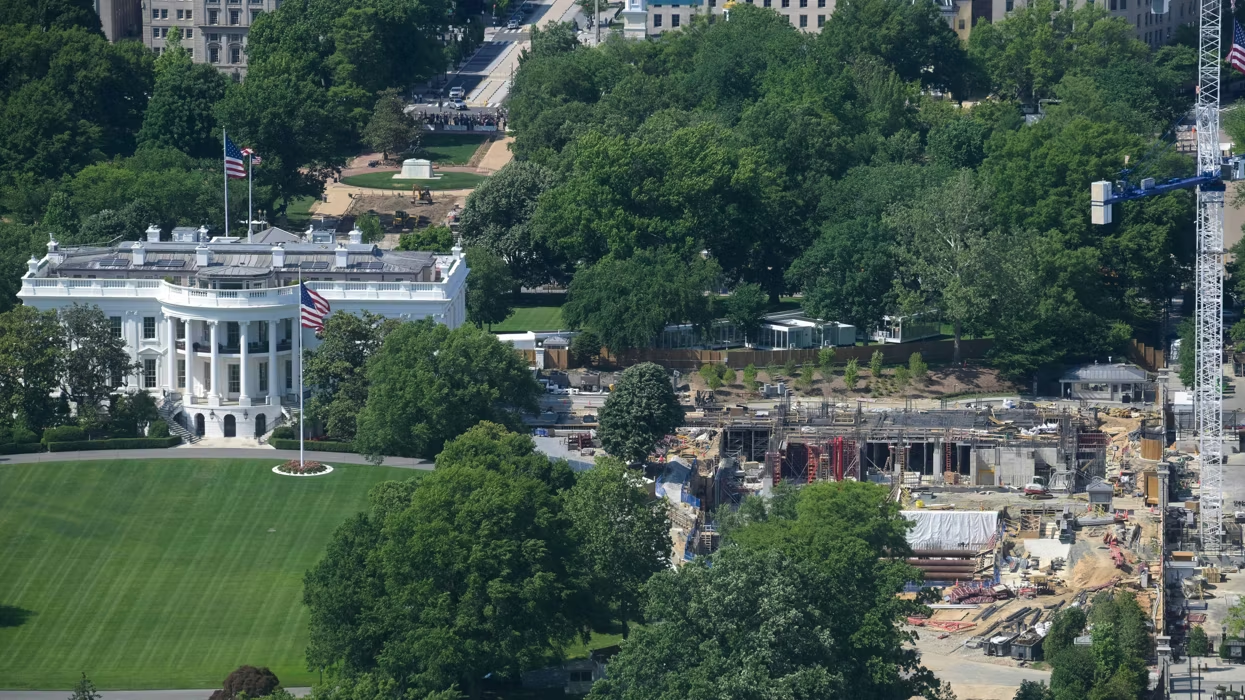
The decision affects a Republican-backed package linked to broader immigration enforcement funding and security improvements requested for the White House, including enhancements connected to a new ballroom project associated with Donald Trump.
The ruling means the security funding cannot be included in a budget bill designed to pass the Senate with a simple majority under special rules that bypass a filibuster. According to Democratic lawmakers, the parliamentarian determined the proposal was too broad and complex to qualify under those limits.
The contested funding package includes money for expanded Secret Service protections, a new visitor screening facility, additional agent training, and infrastructure upgrades for large events on the White House grounds.
Democrats welcomed the decision, arguing that taxpayers should not be responsible for funding security improvements tied to what they describe as an expensive ballroom project. Senate Minority Leader Chuck Schumer said Democrats successfully challenged the proposal and will continue to oppose similar efforts.
Republicans, however, said the ruling is part of a routine legislative process and insisted they will revise and resubmit the proposal. A spokesperson for Senate Majority Leader John Thune said the process of redrafting and refining the bill is standard in complex budget negotiations.
The larger legislative package aims to allocate roughly $72 billion for immigration enforcement agencies, including Immigration and Customs Enforcement and Customs and Border Protection. It is intended to fund operations through the remainder of Trump’s term and expand enforcement capacity.
The White House security funding was included as part of broader infrastructure and safety upgrades requested by federal agencies. Officials have said the Secret Service sought additional resources following heightened security concerns after a recent attempted attack near a White House-related public event.
While most of the immigration-related provisions in the bill were left intact, the parliamentarian did block several smaller elements, including some funding adjustments for border enforcement staffing and training. Republicans have described these changes as technical issues that can be corrected.
Democrats have argued that the broader bill is part of a larger effort to expand immigration enforcement funding while also directing federal resources toward politically controversial projects. They say they will continue to challenge any attempts to reintroduce the blocked provisions.
Republican lawmakers are now expected to revise the legislation in line with the parliamentarian’s guidance before bringing it back for another vote attempt.
The ruling is not legally binding, but it carries significant weight in the Senate’s budget process. Historically, such advisory decisions are rarely ignored because they help determine whether legislation can proceed under expedited rules.
The debate comes amid wider political tensions over federal spending priorities, with immigration enforcement, White House security, and infrastructure projects all becoming central points of contention.
As negotiations continue, the outcome will determine whether the security funding can be restored or whether it will remain excluded from the final budget package.
